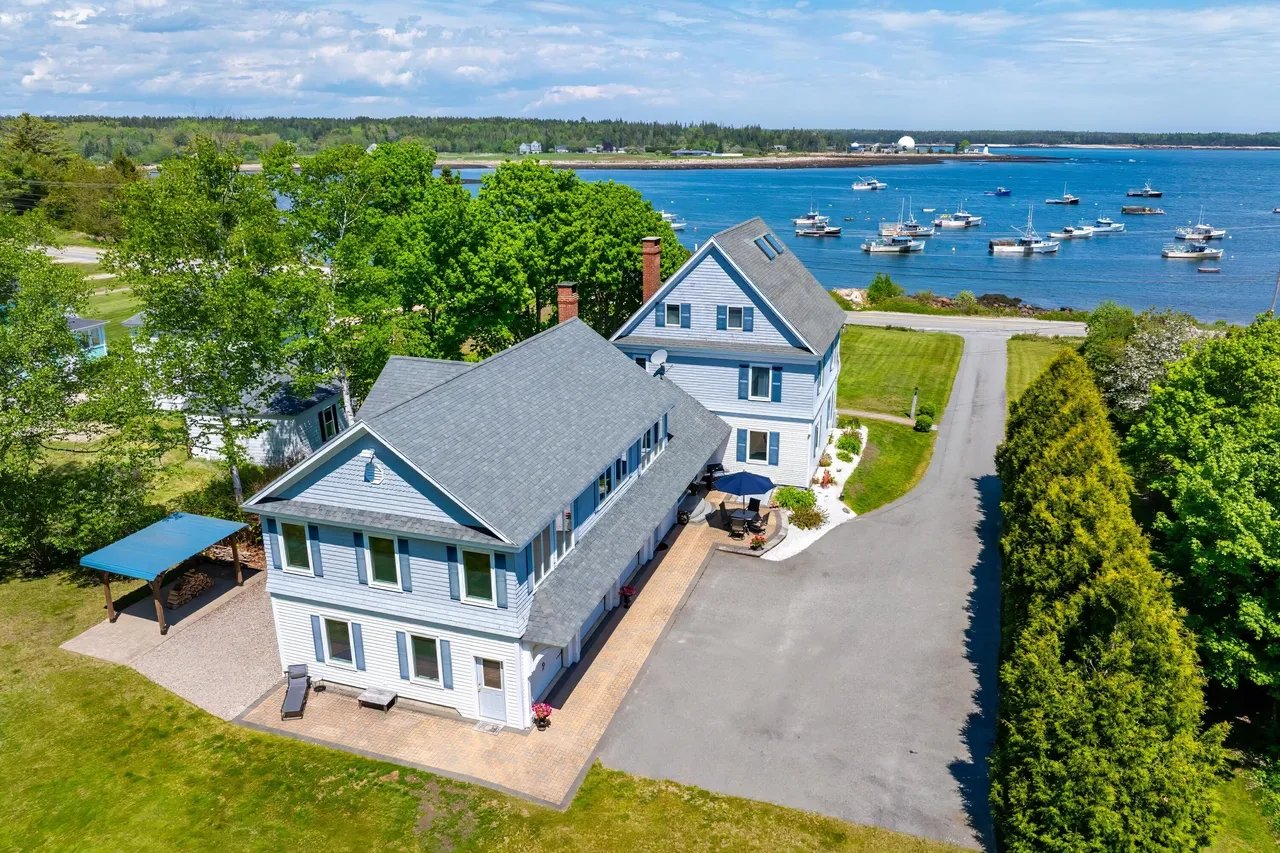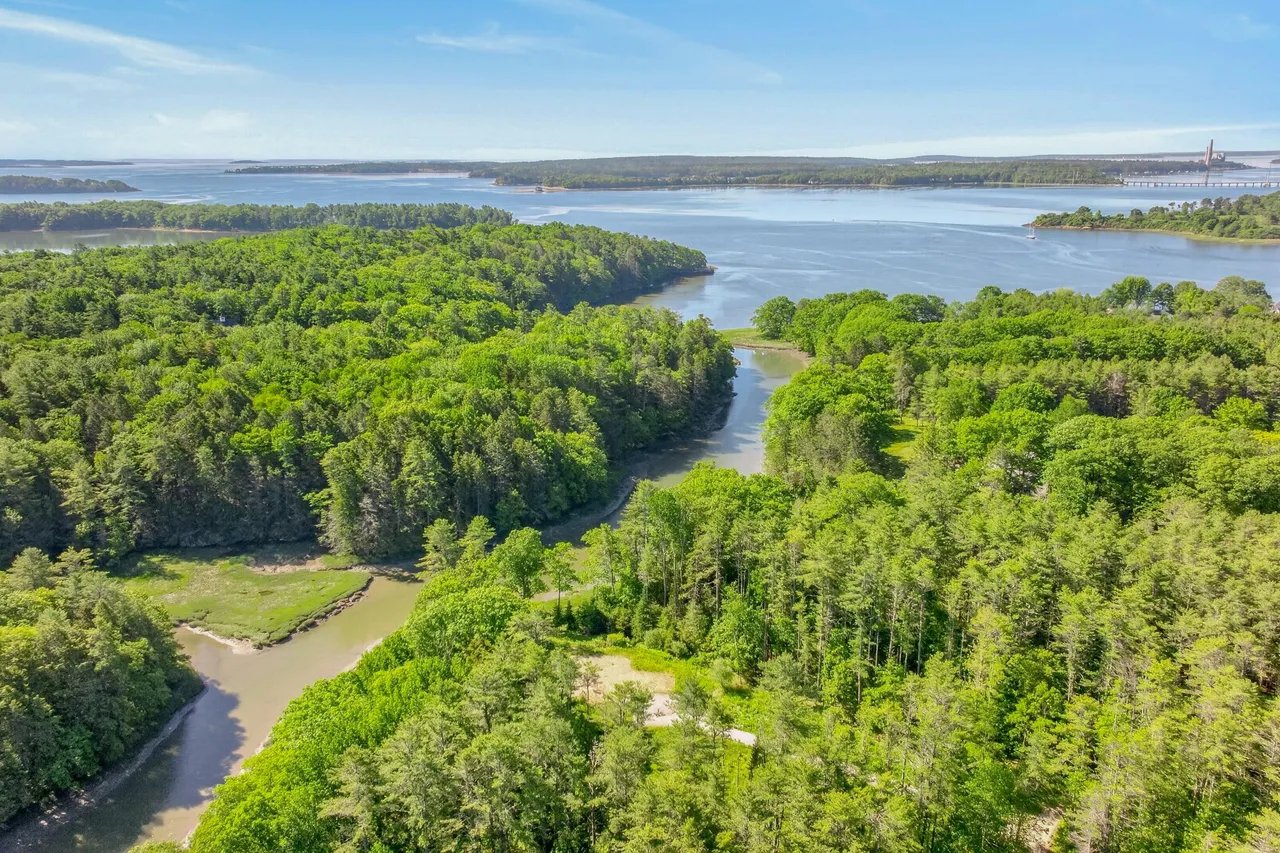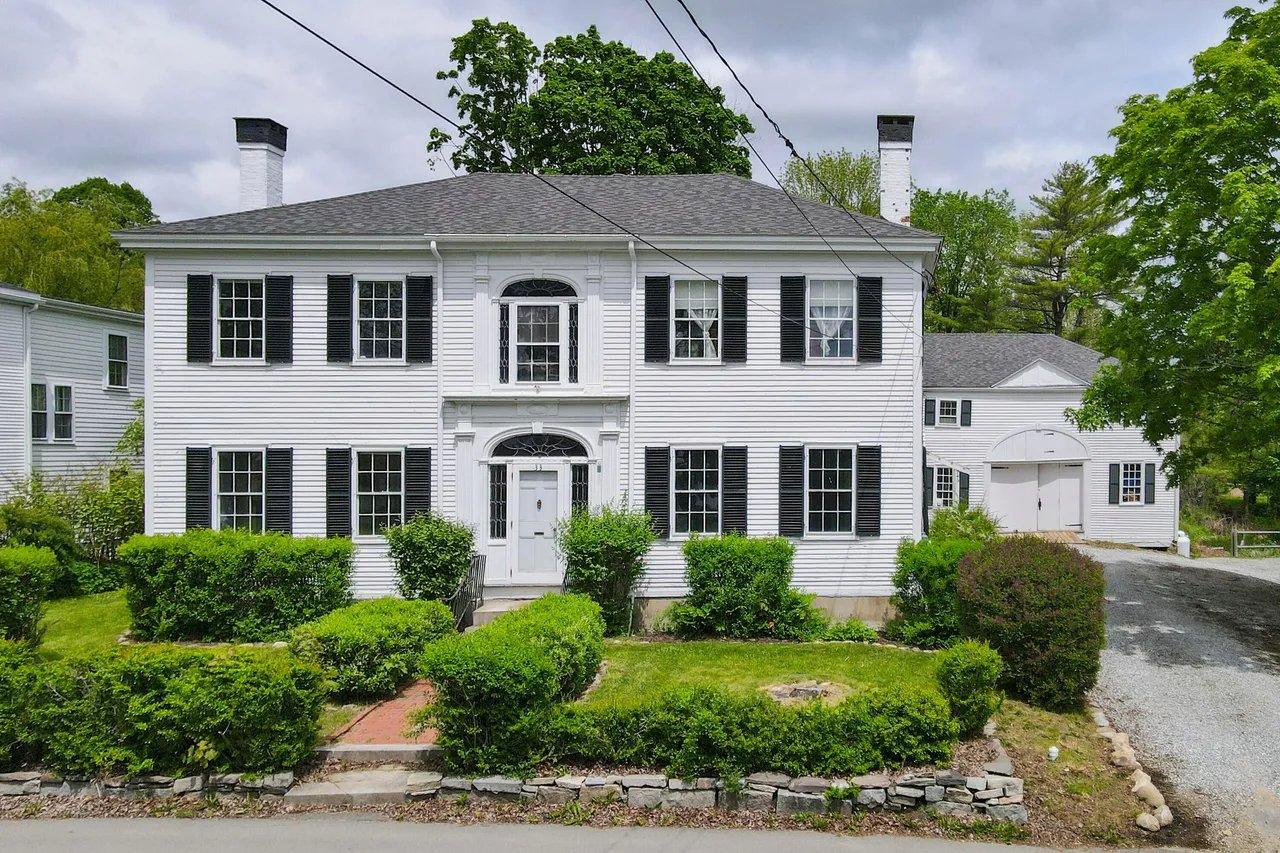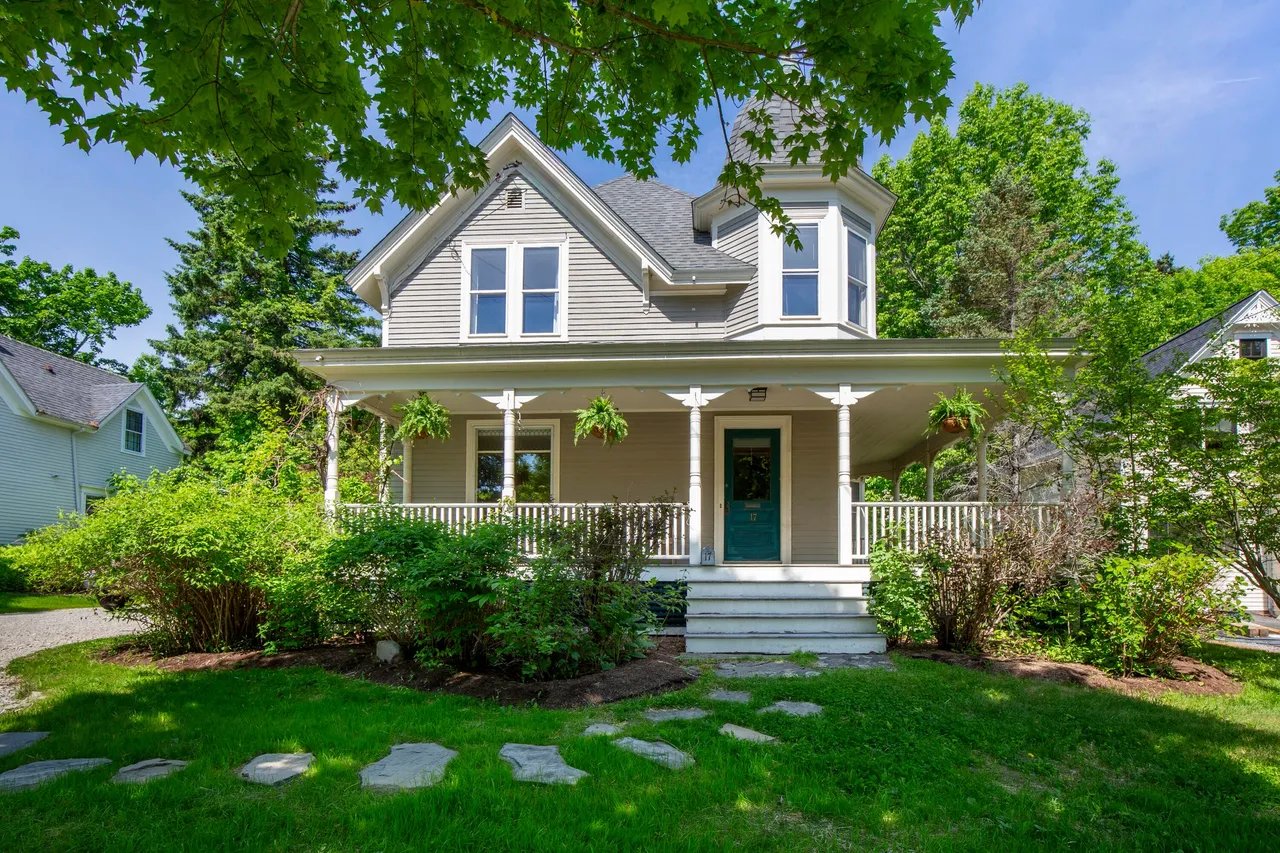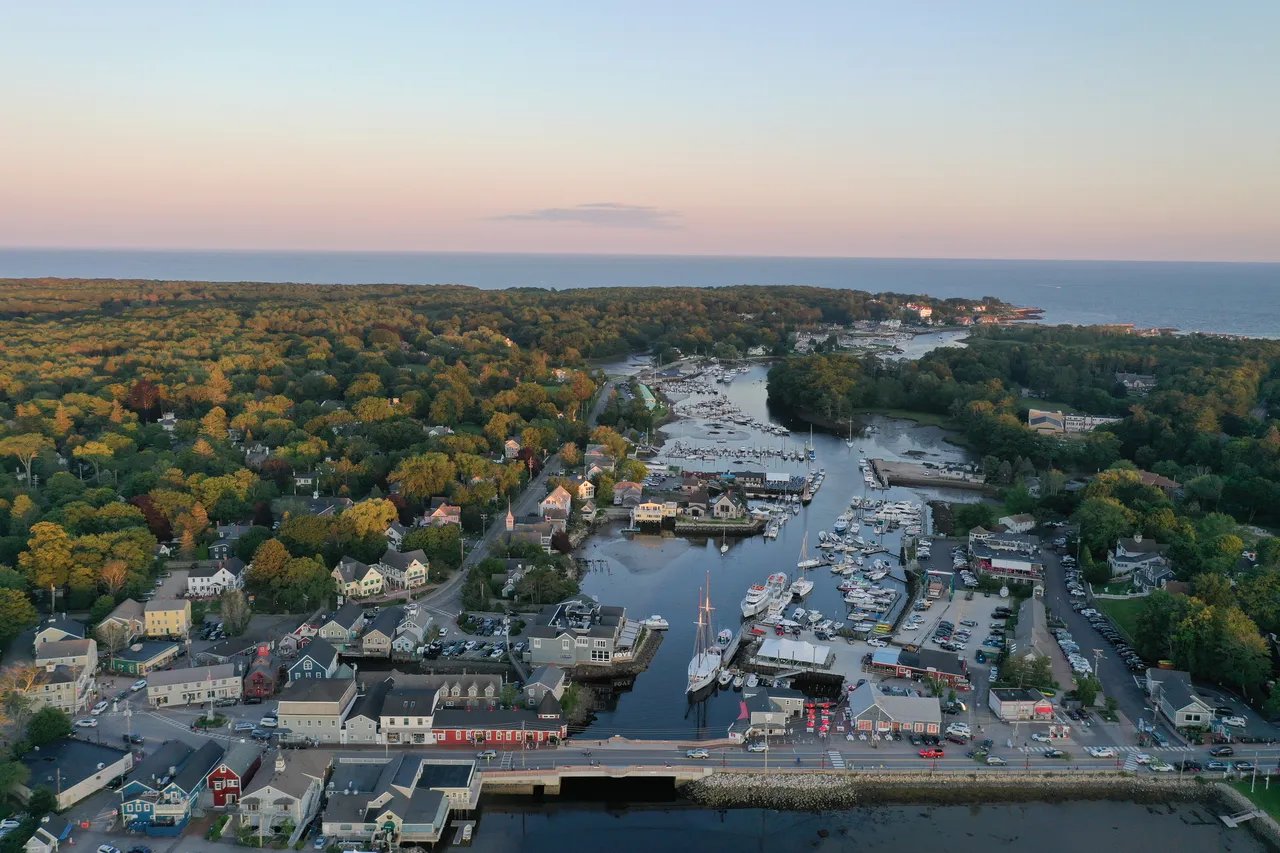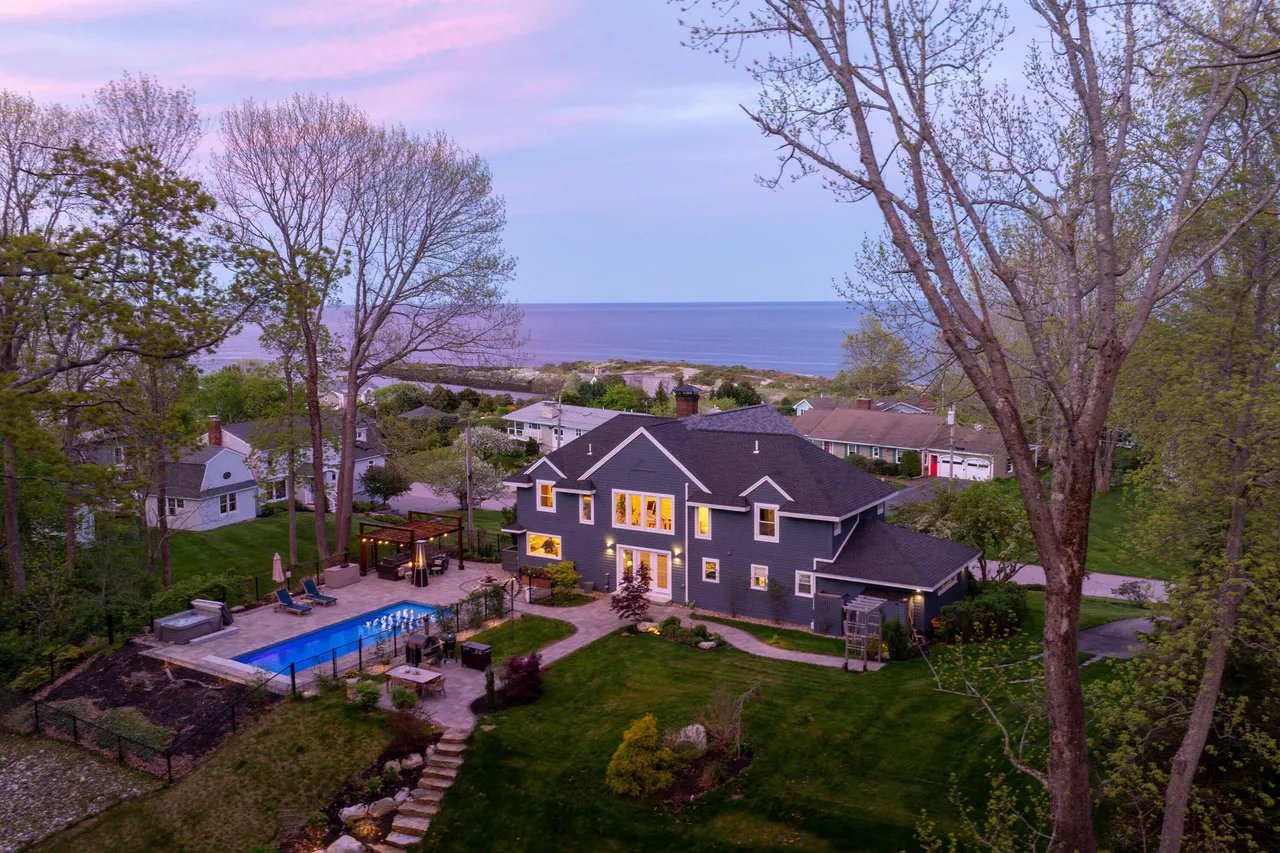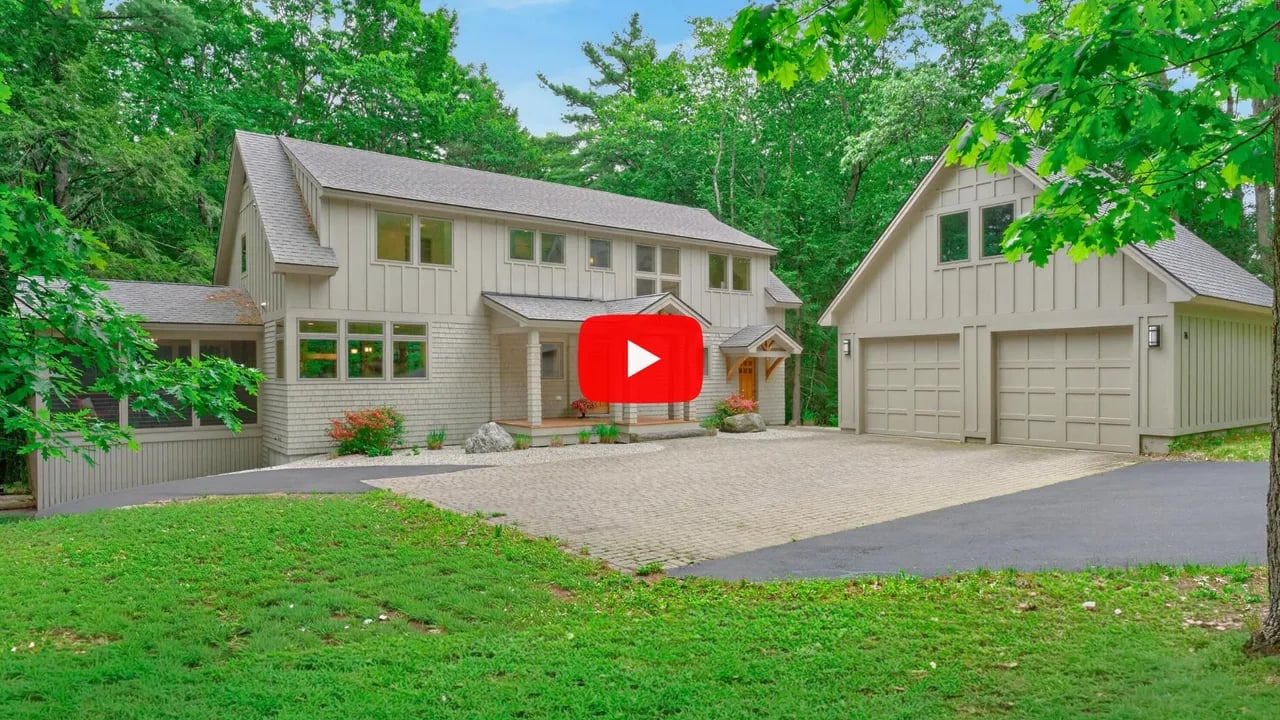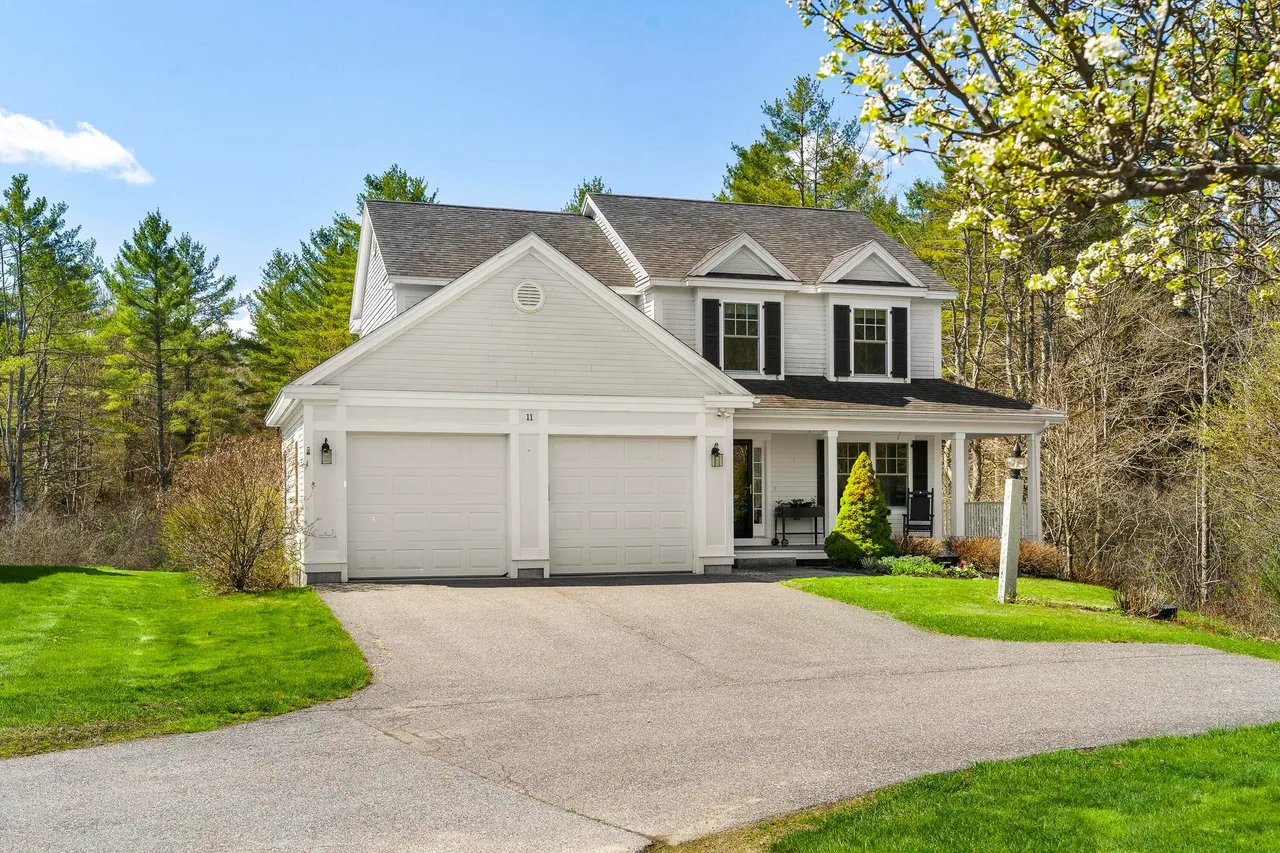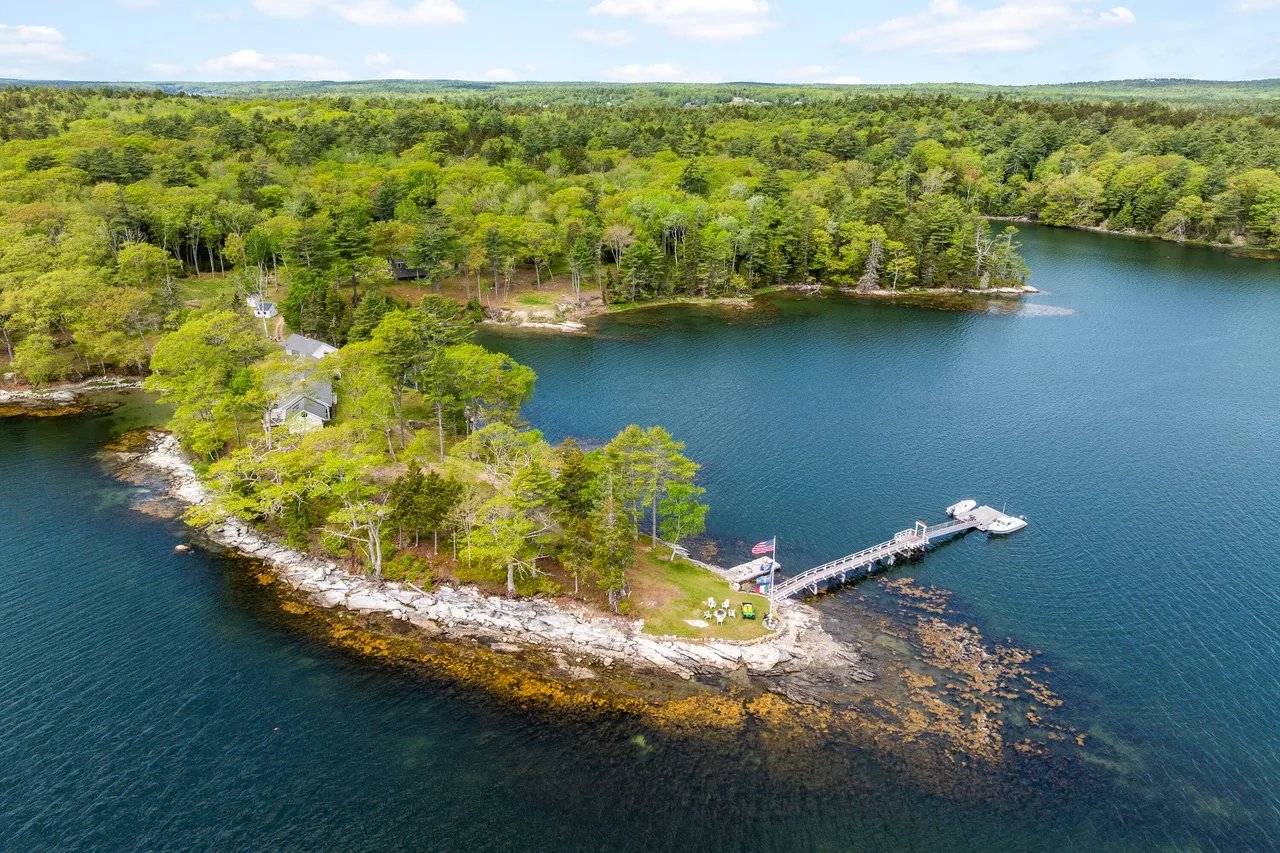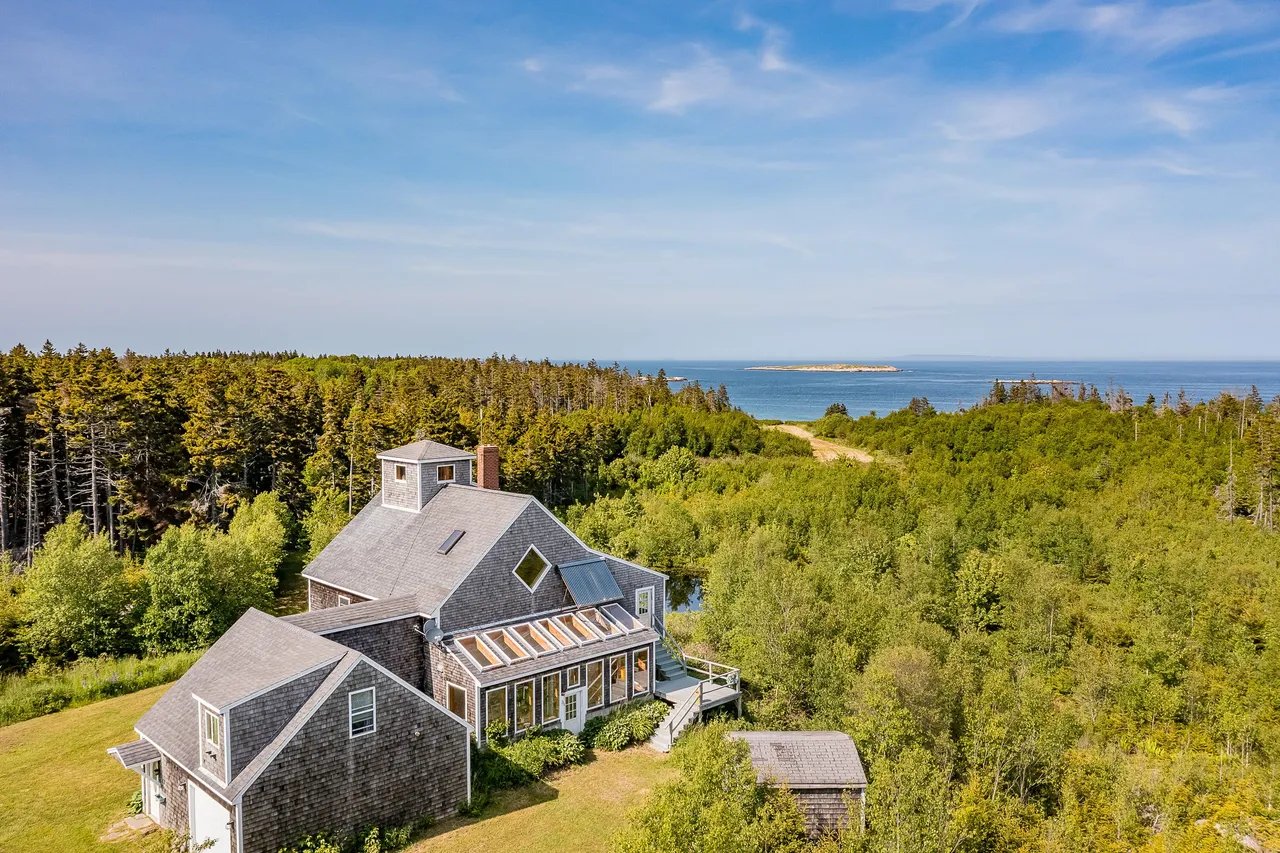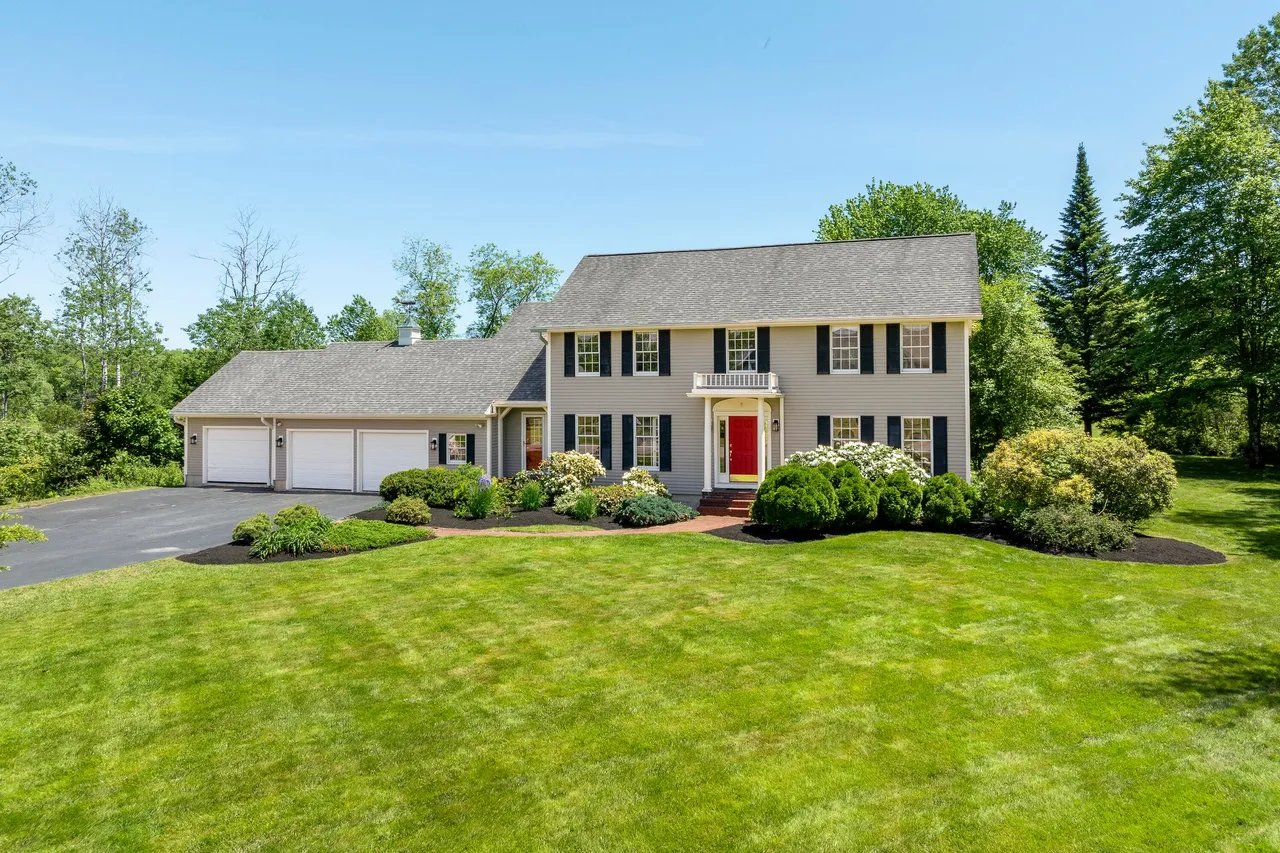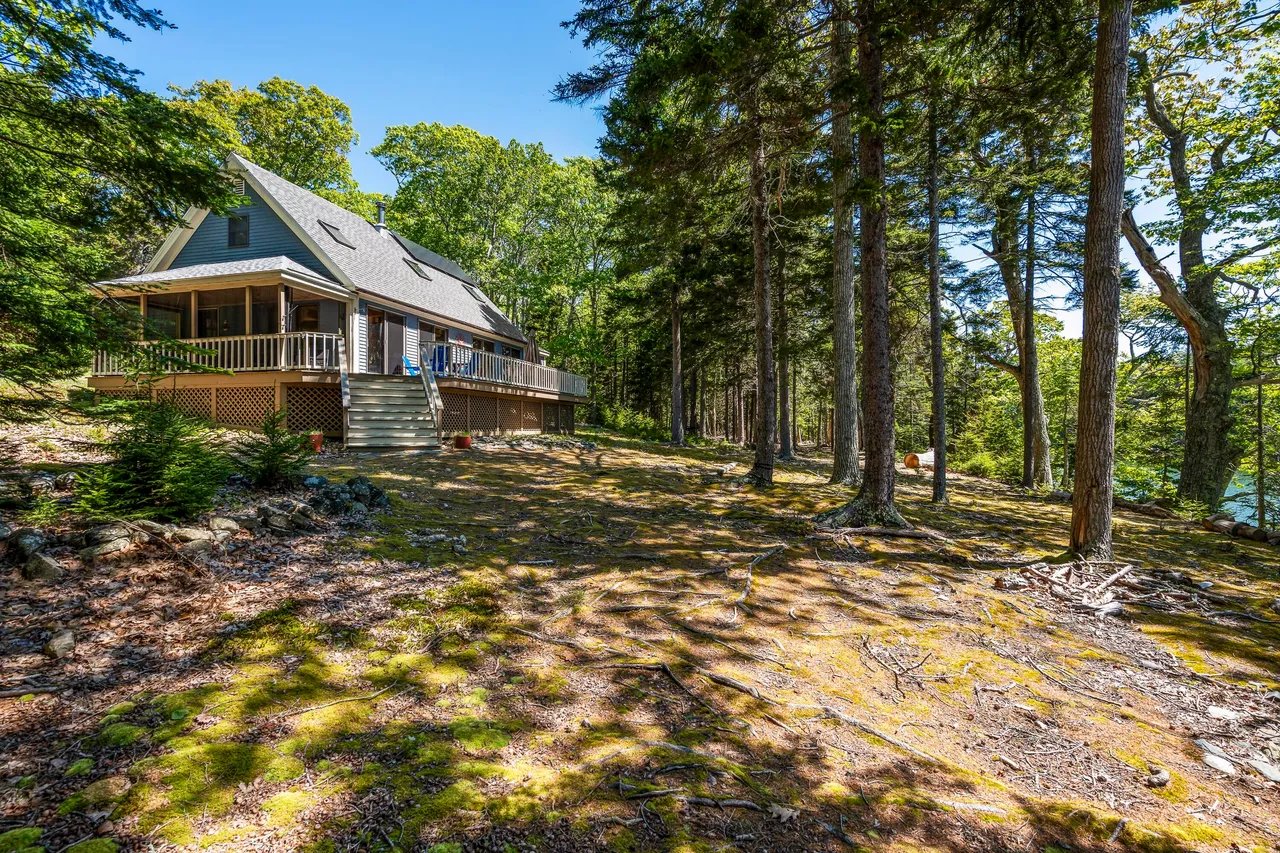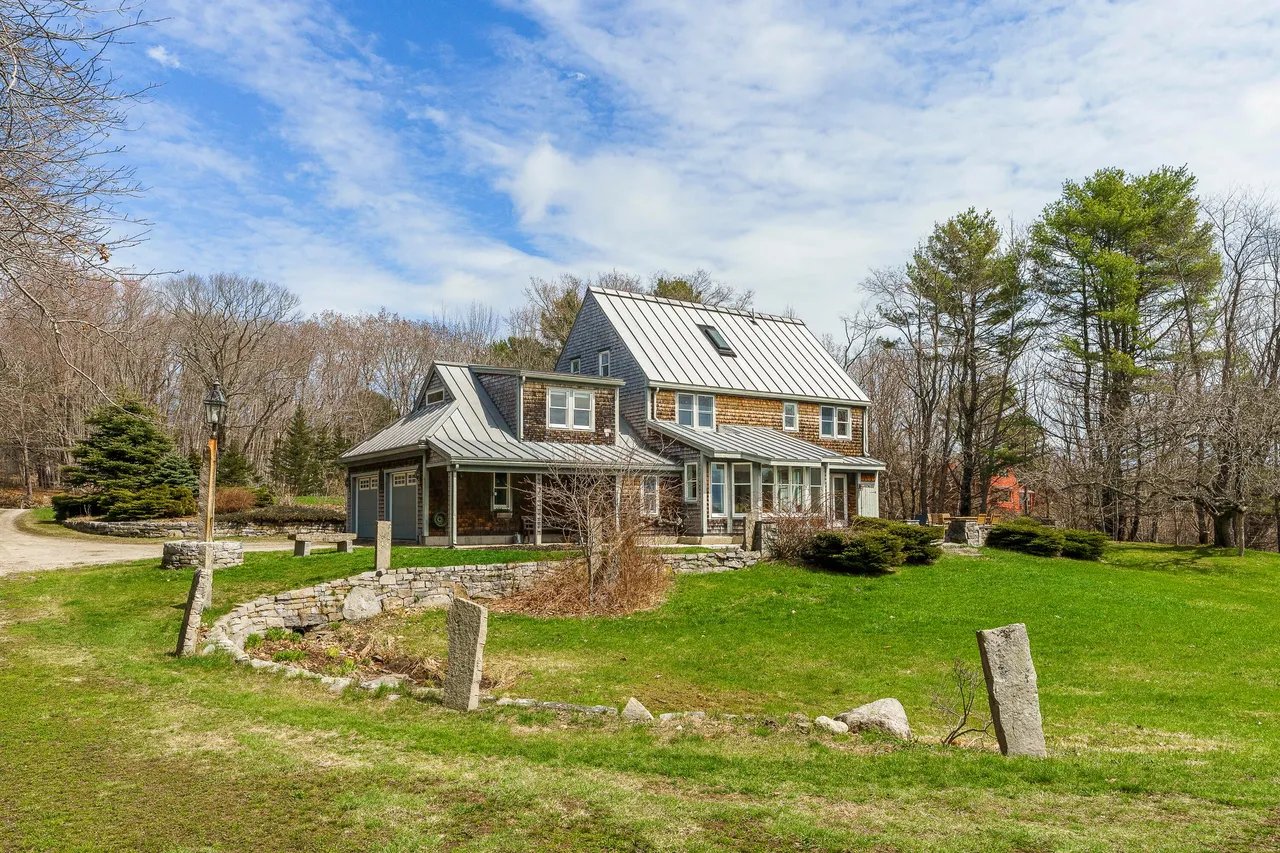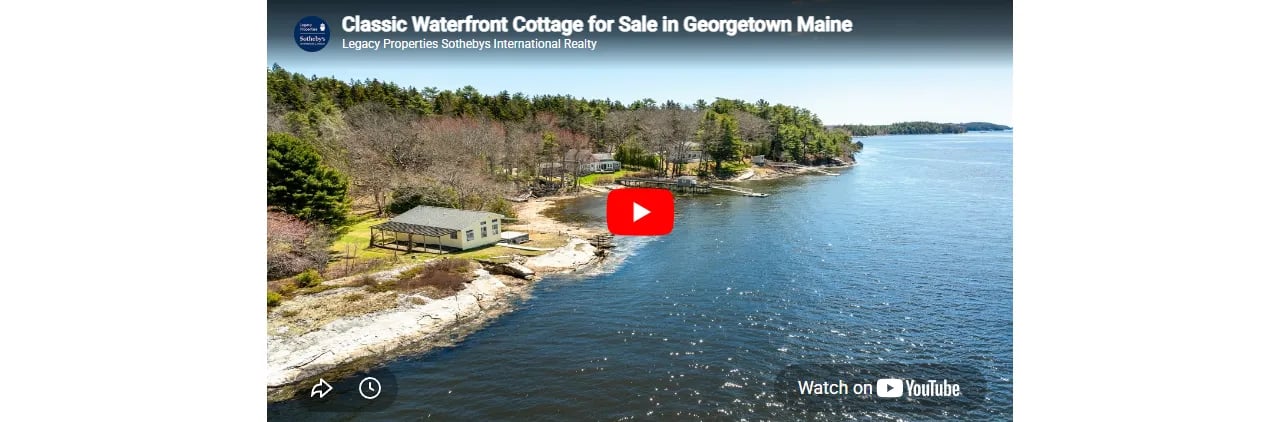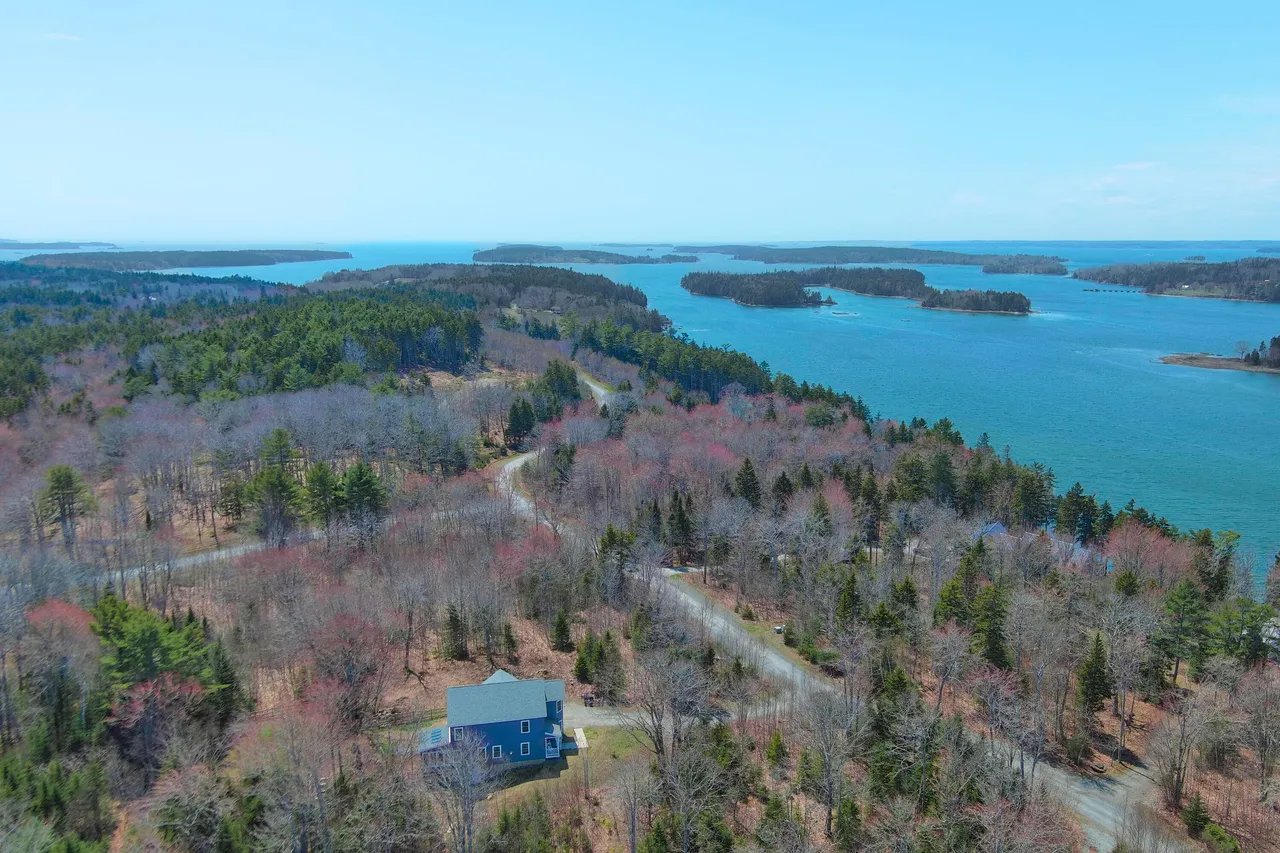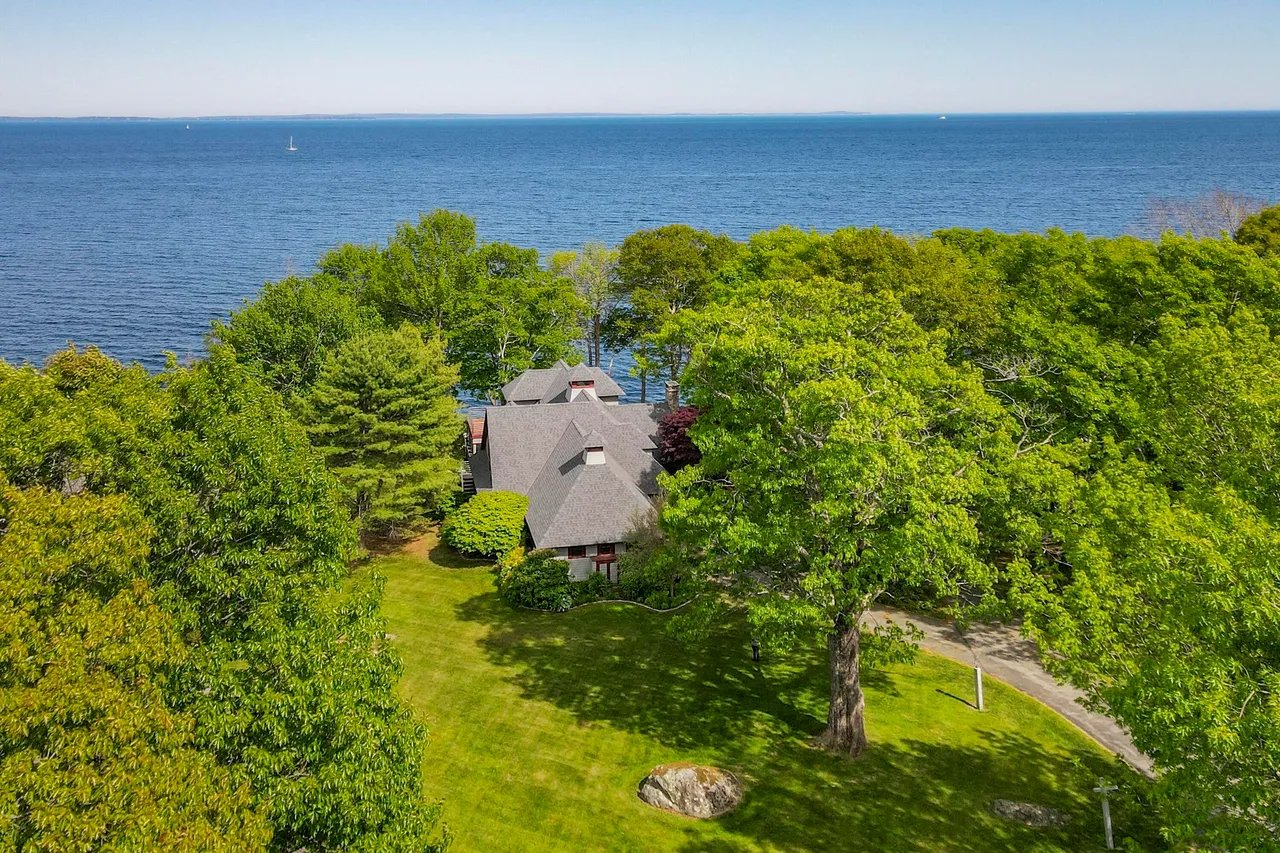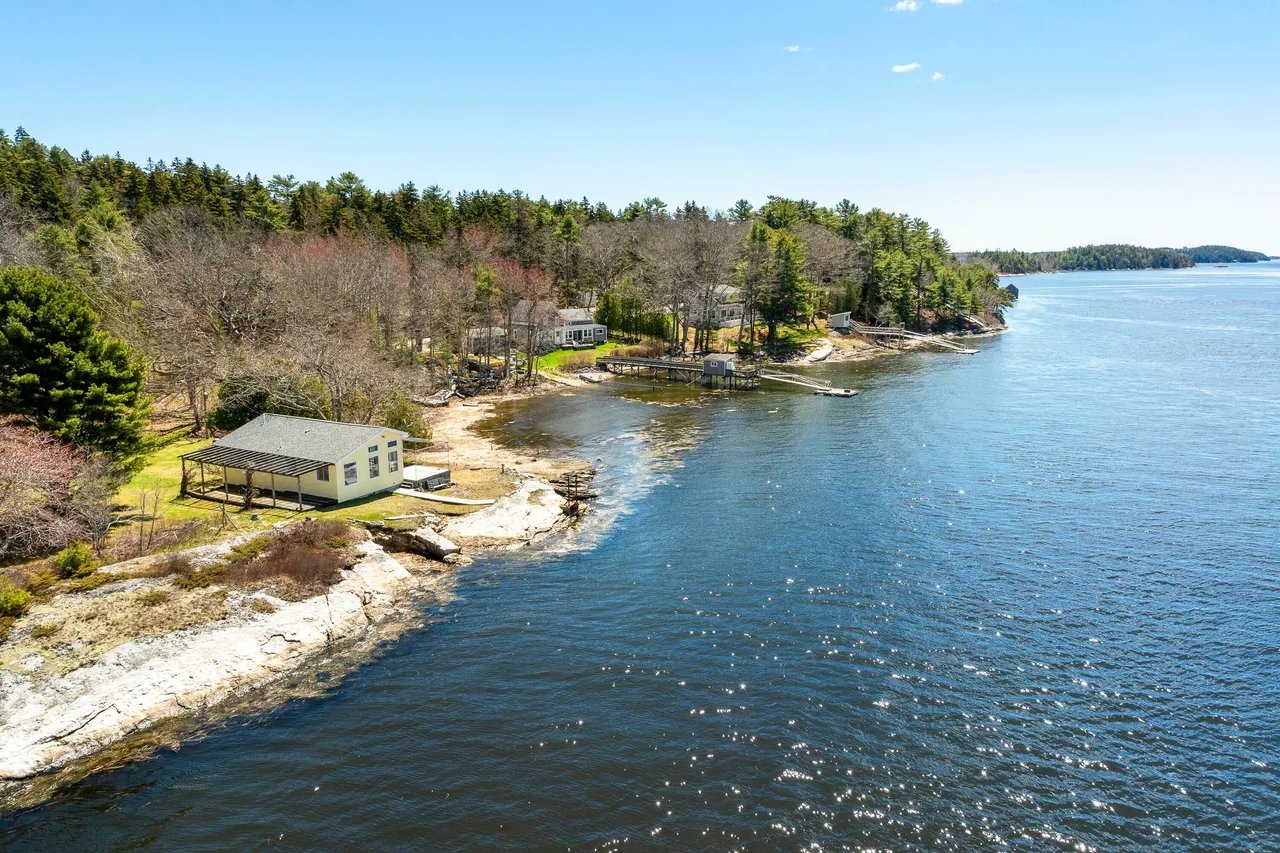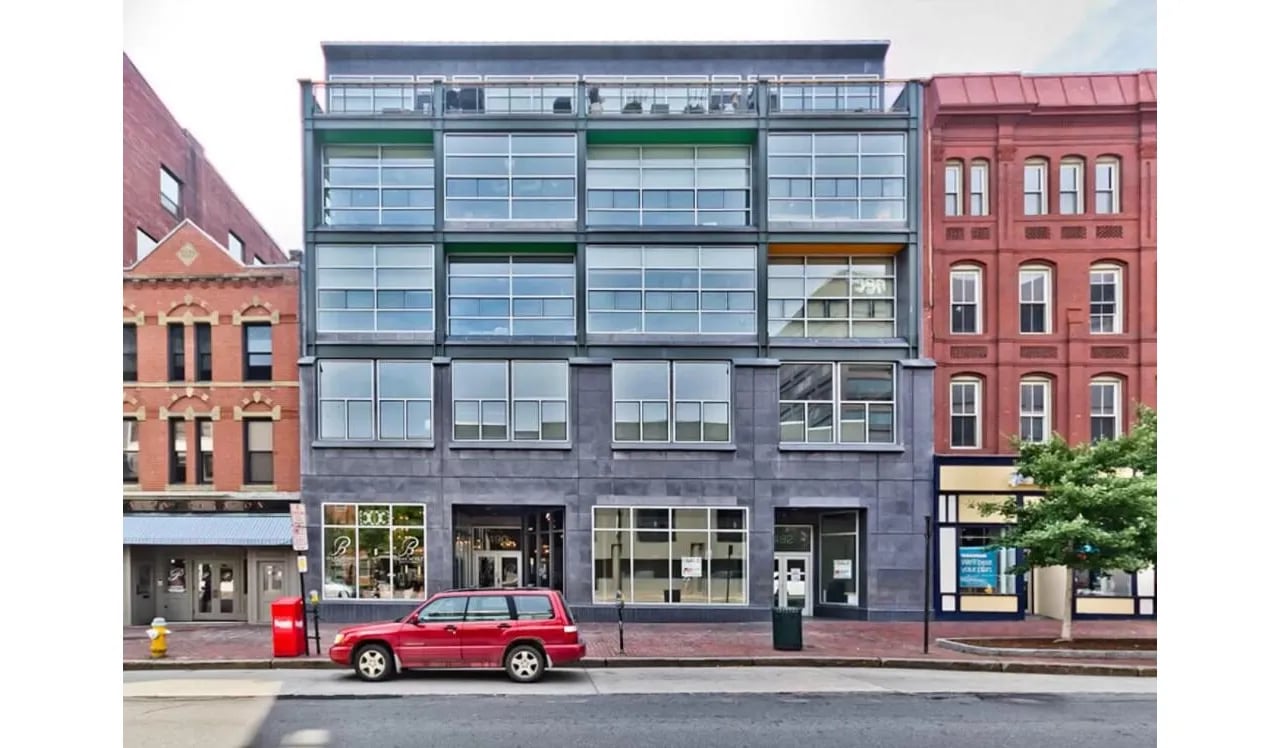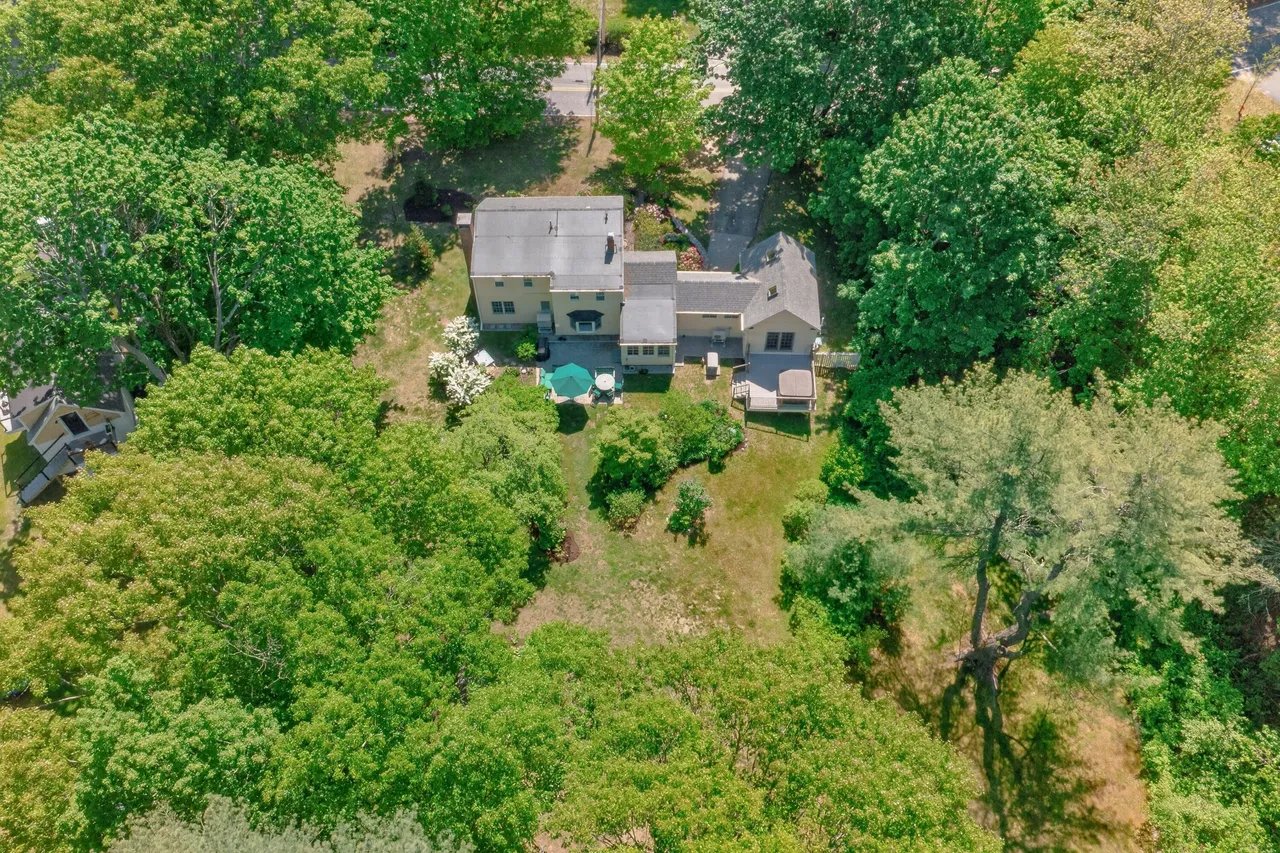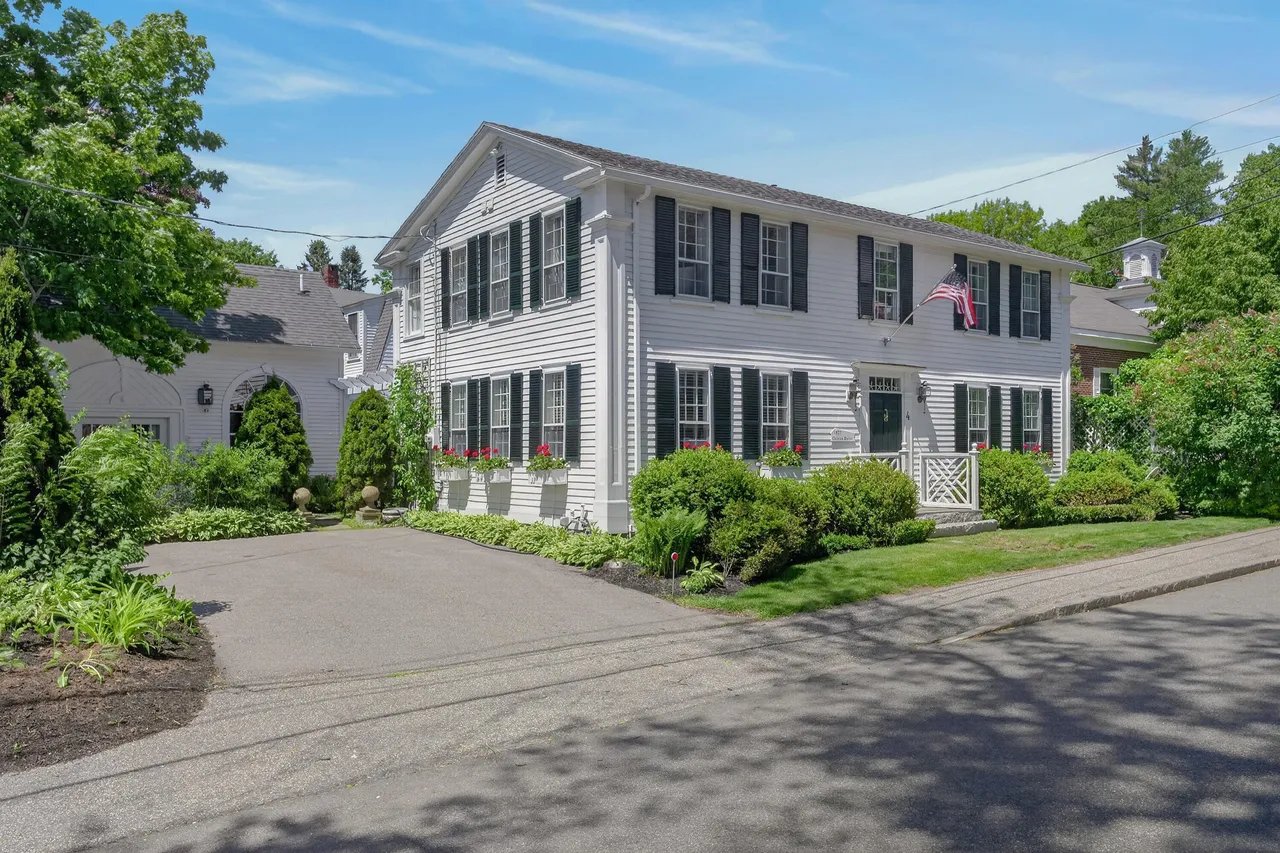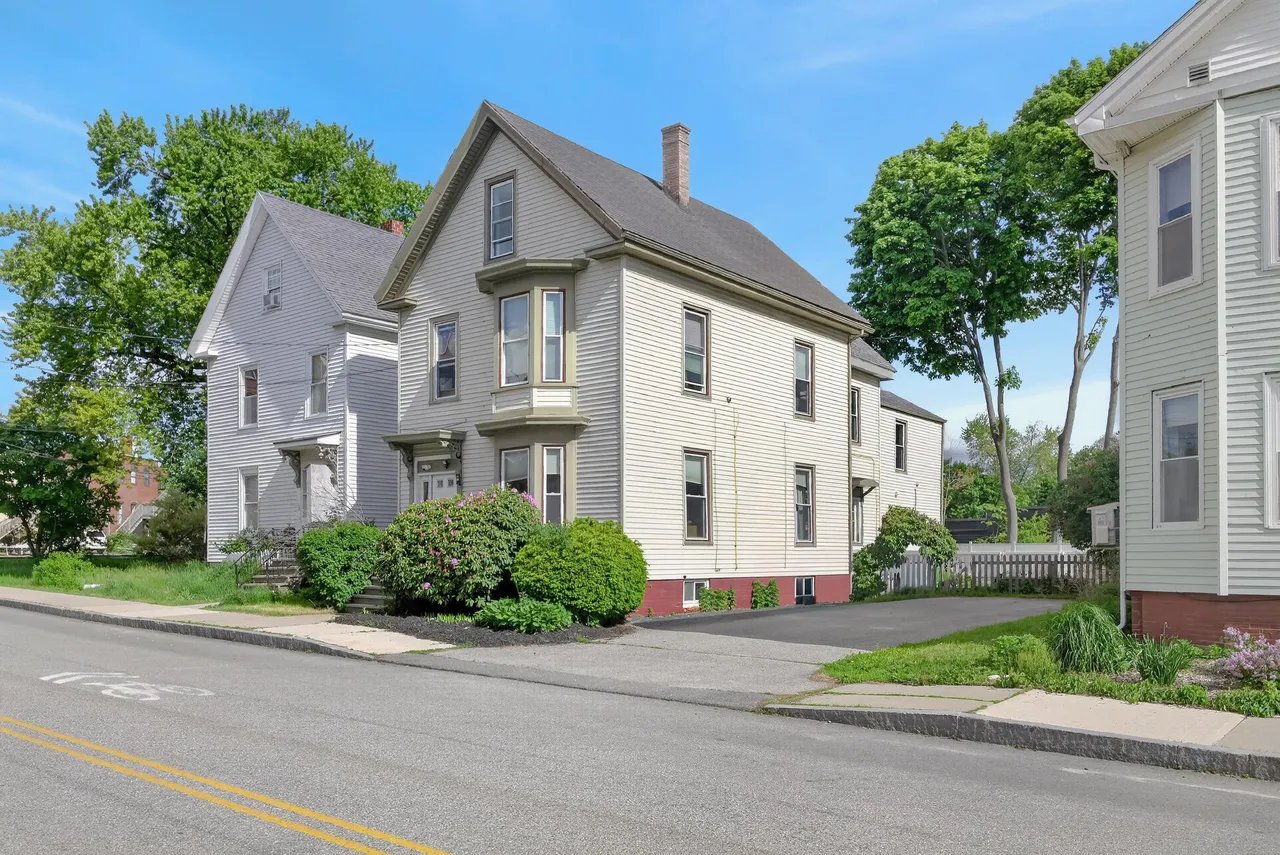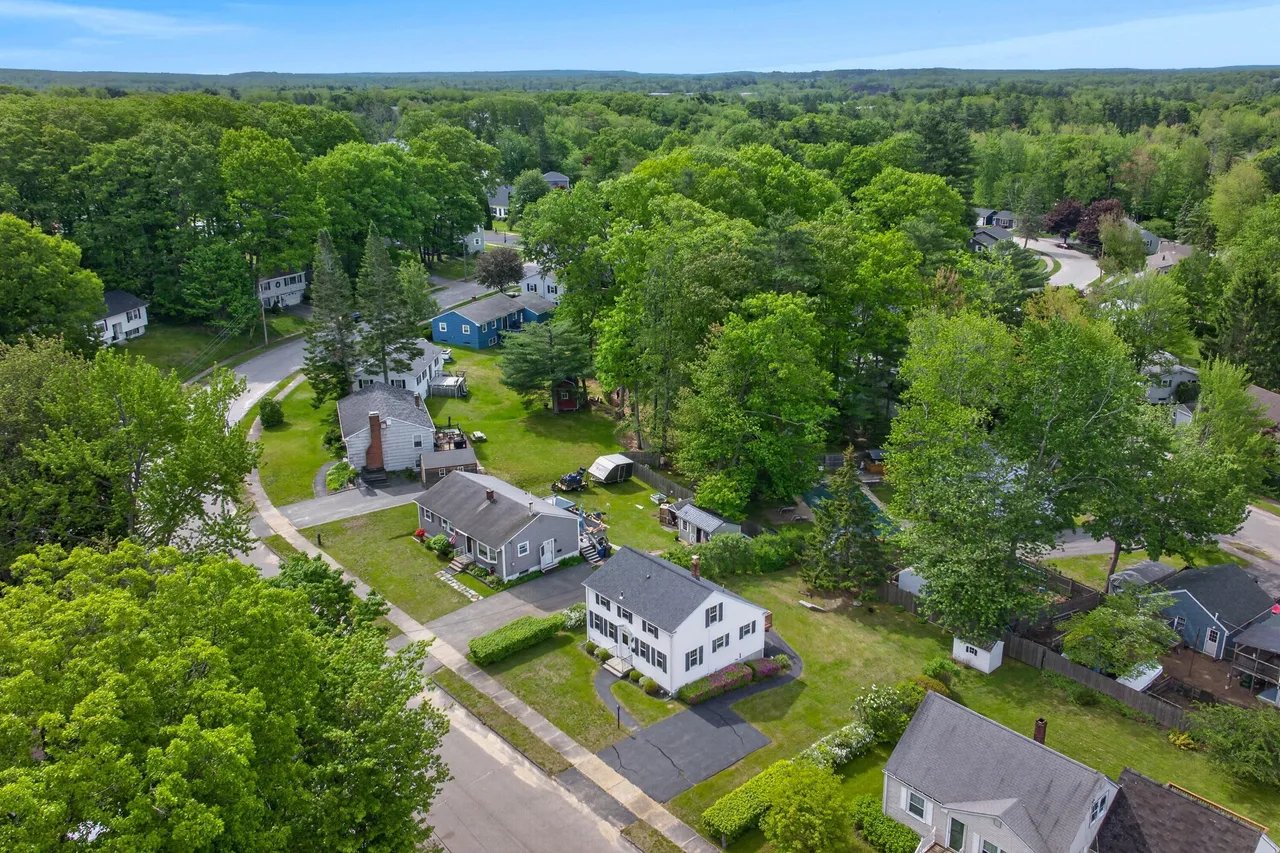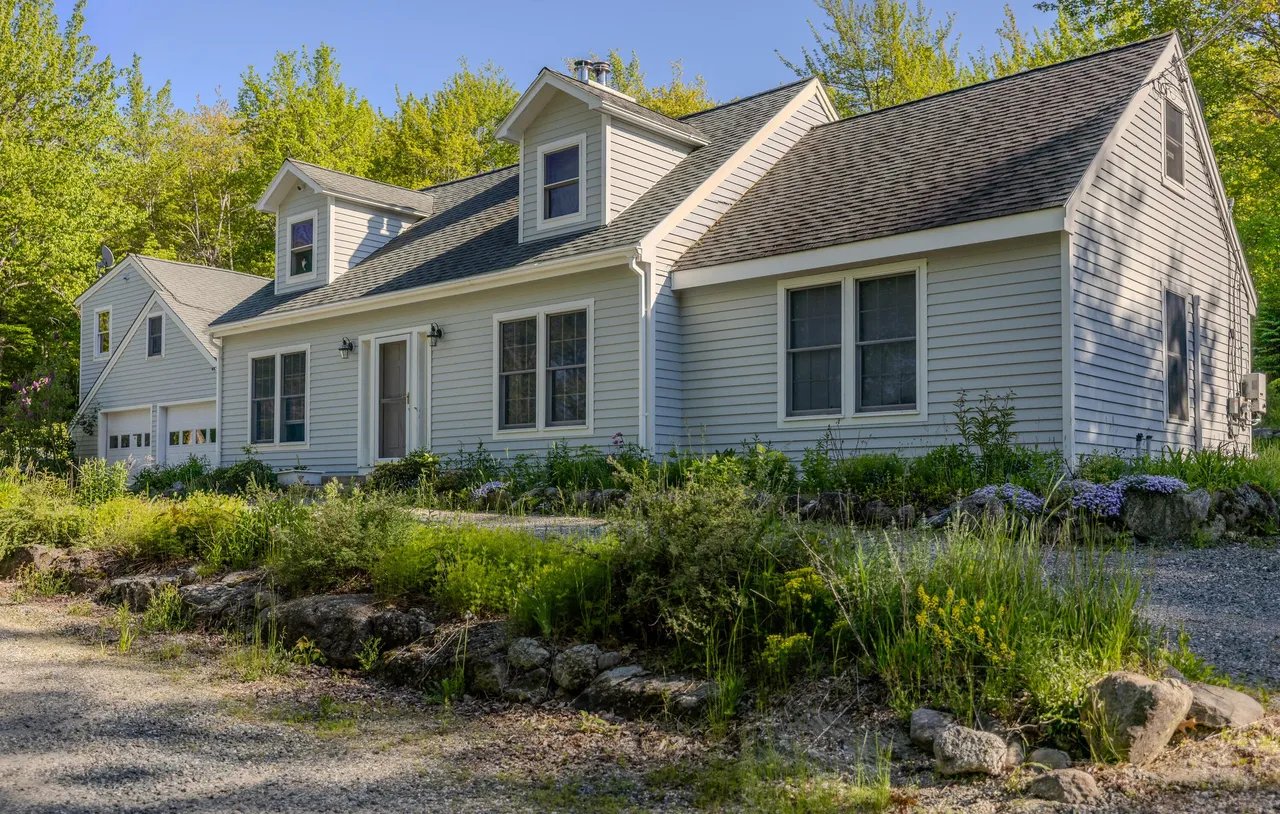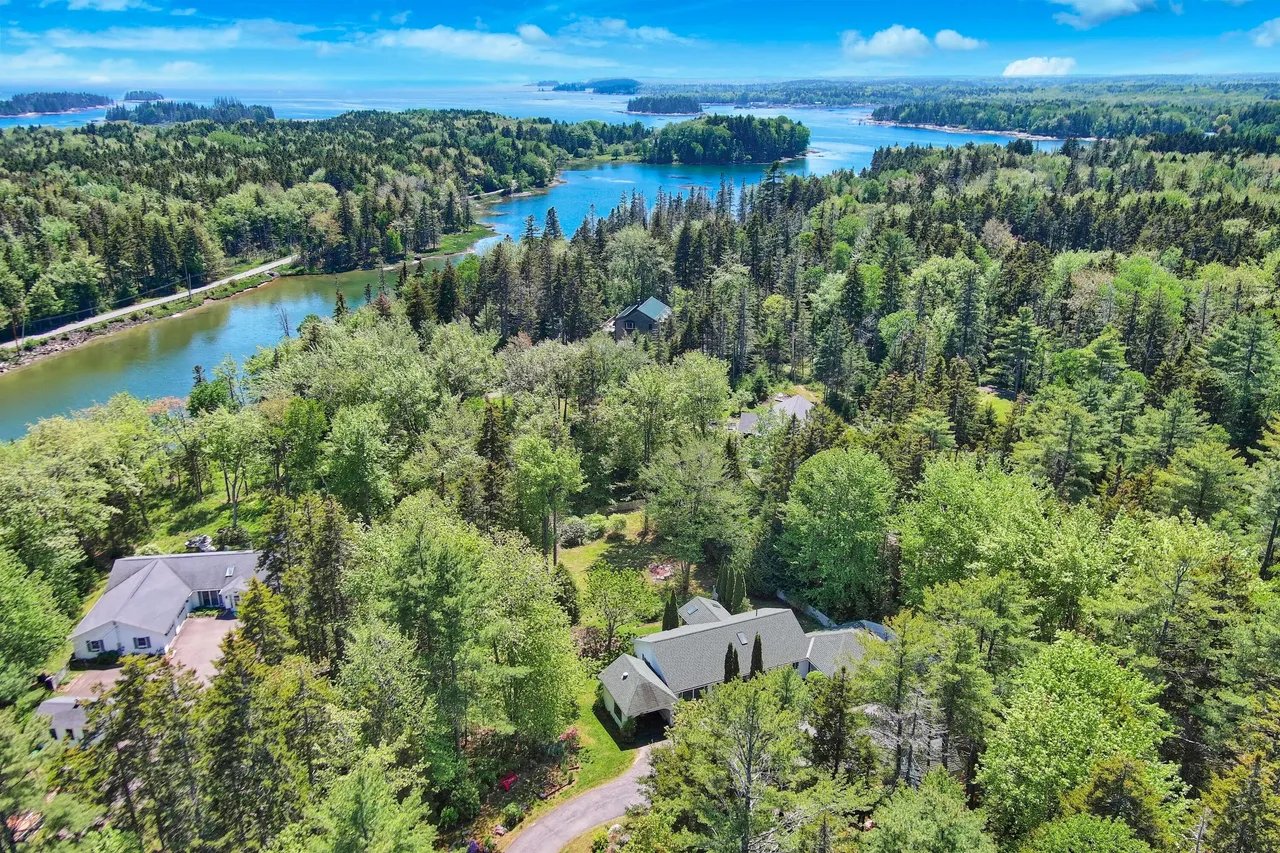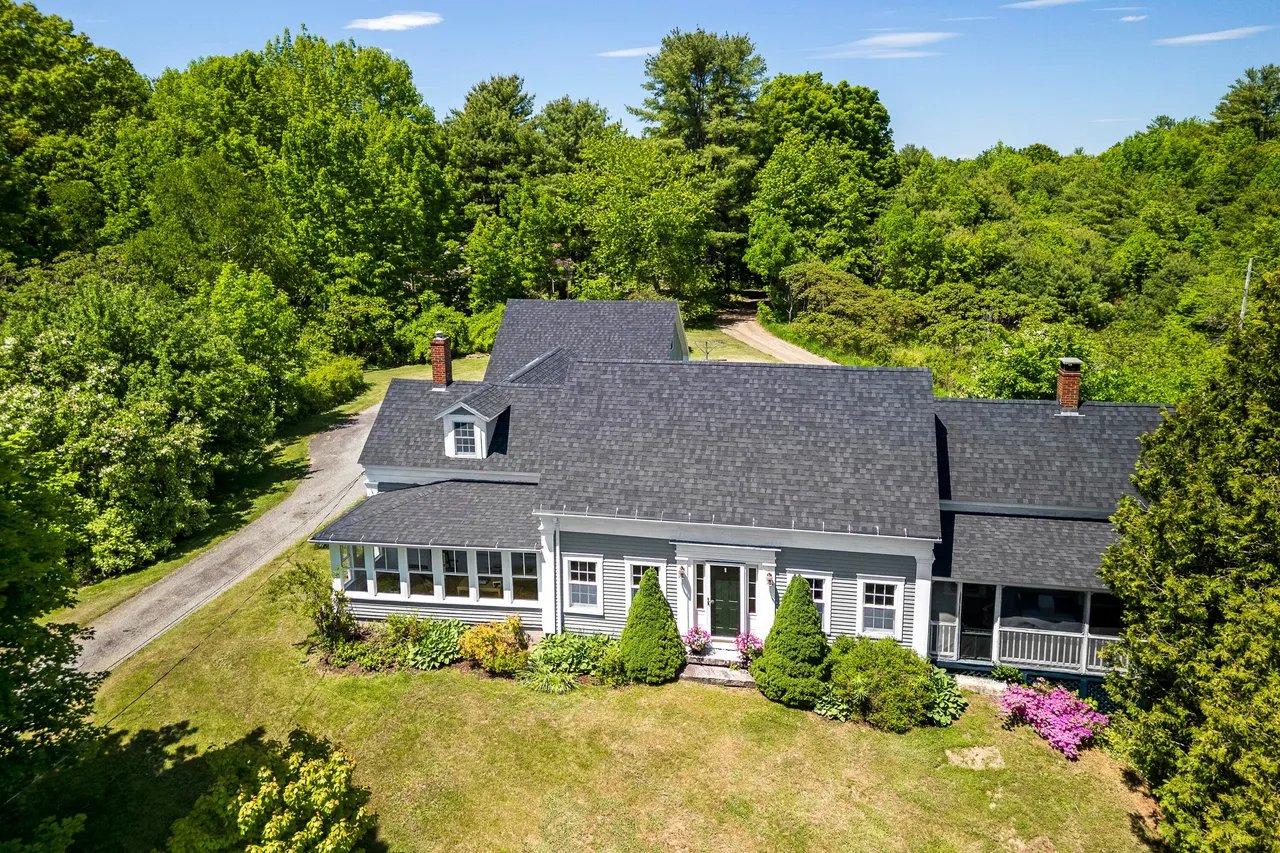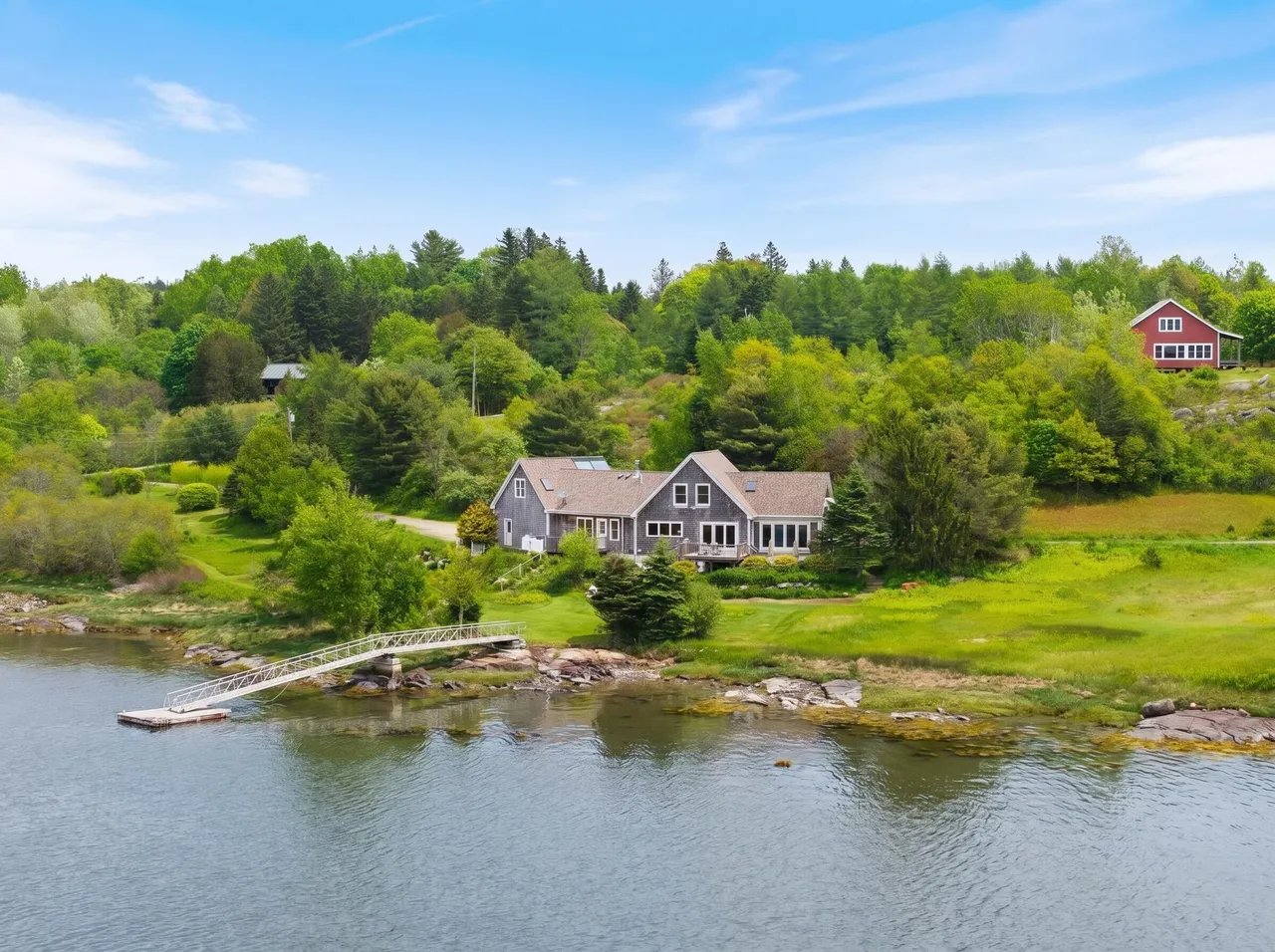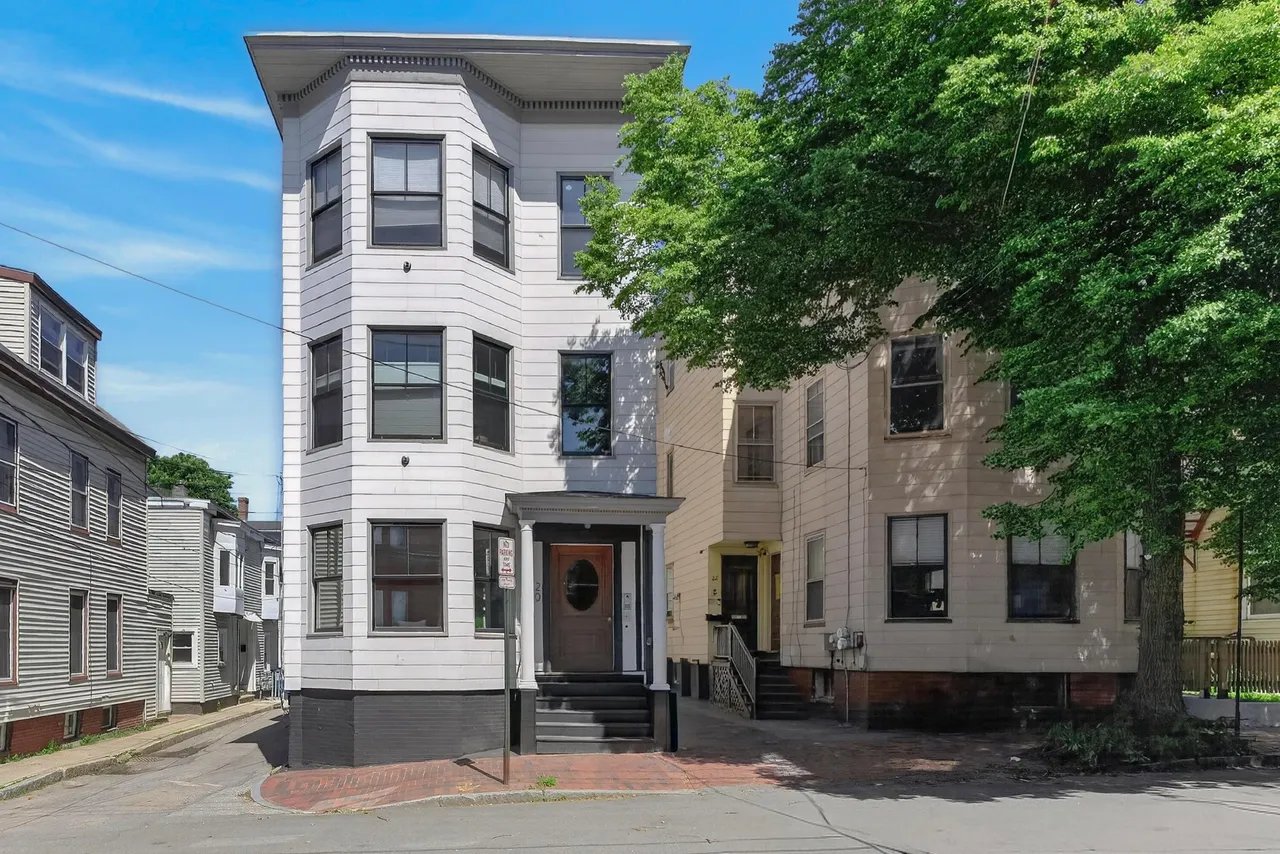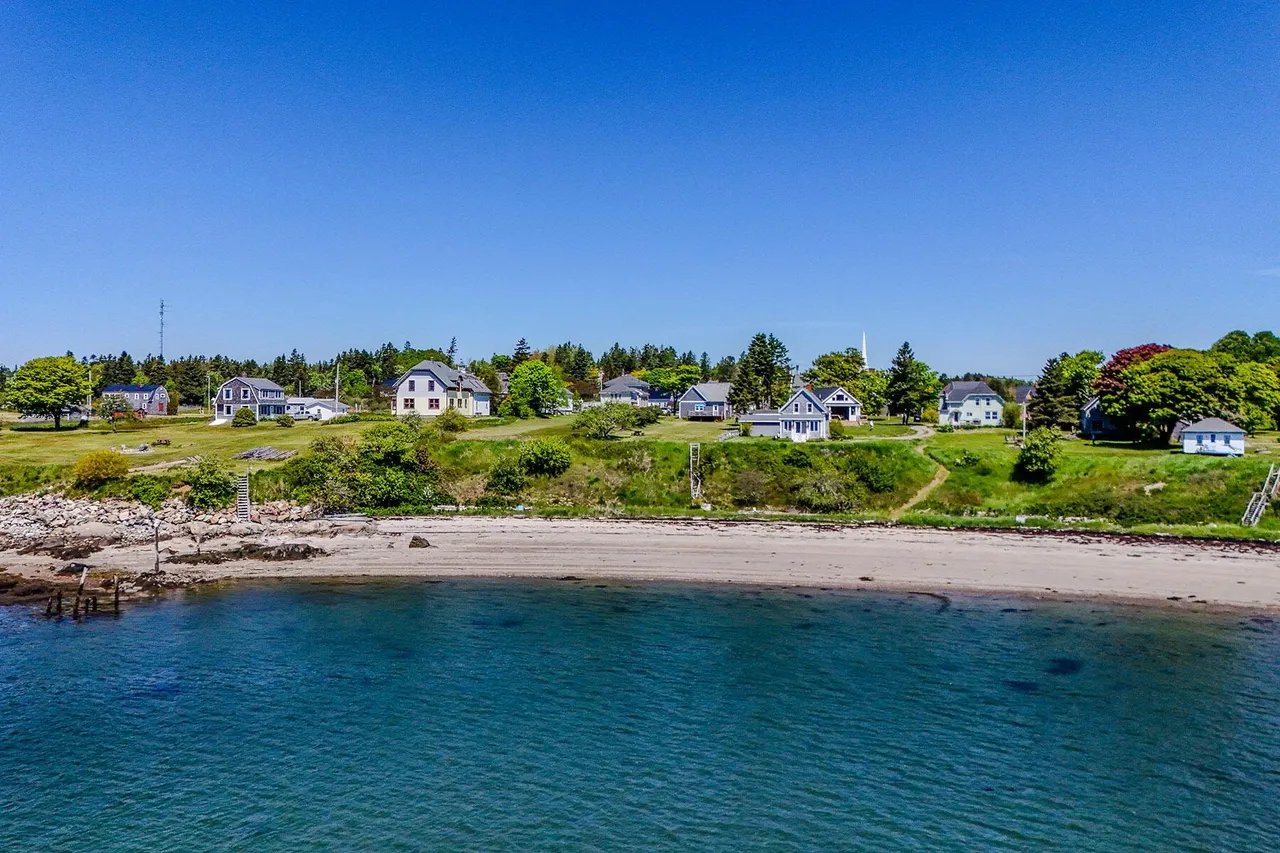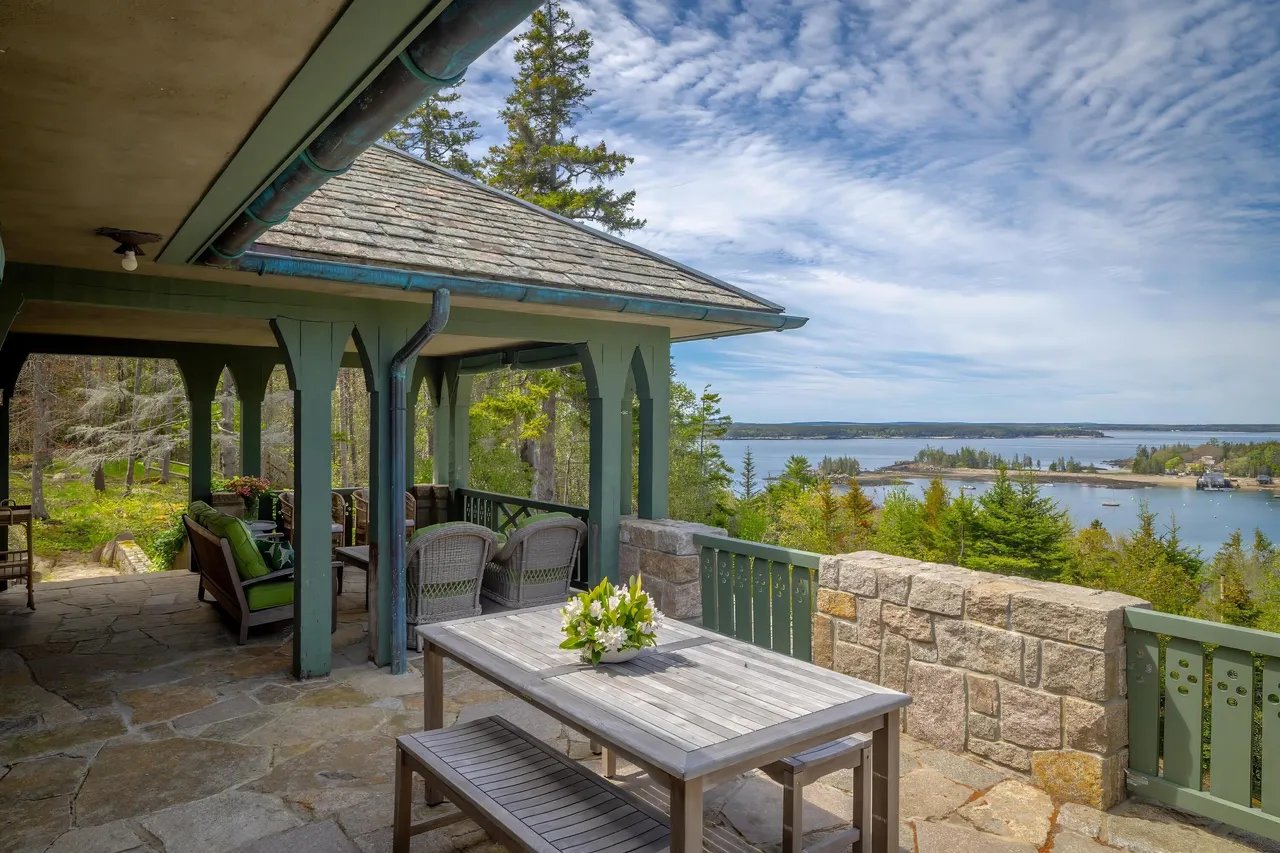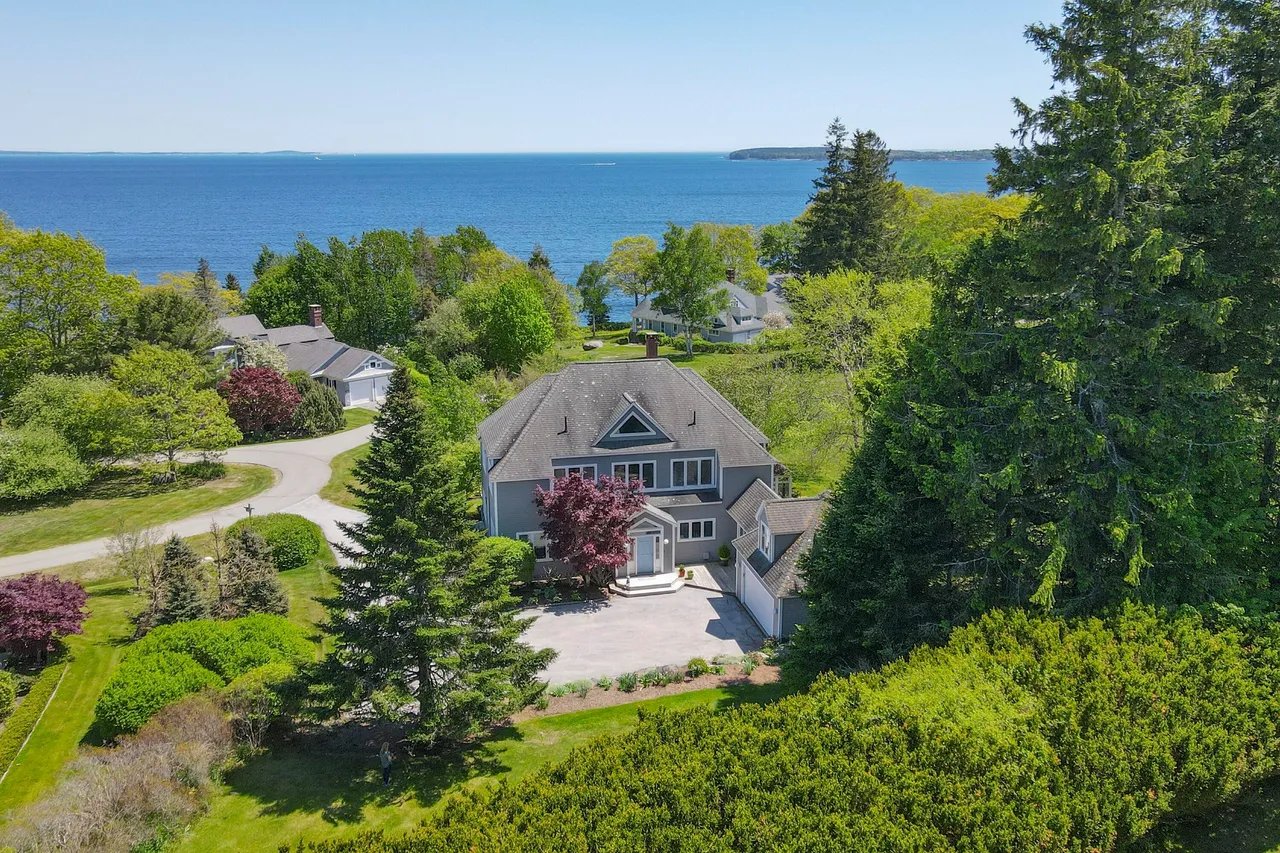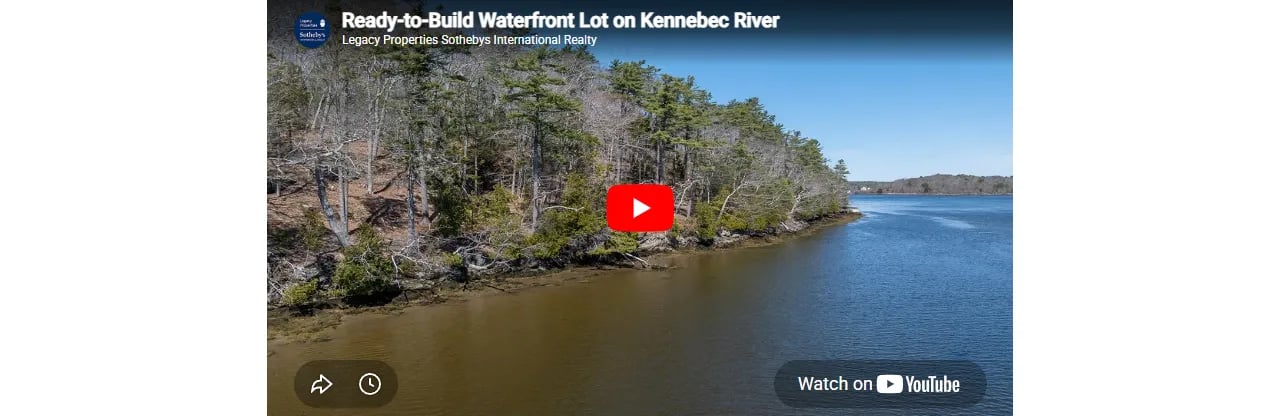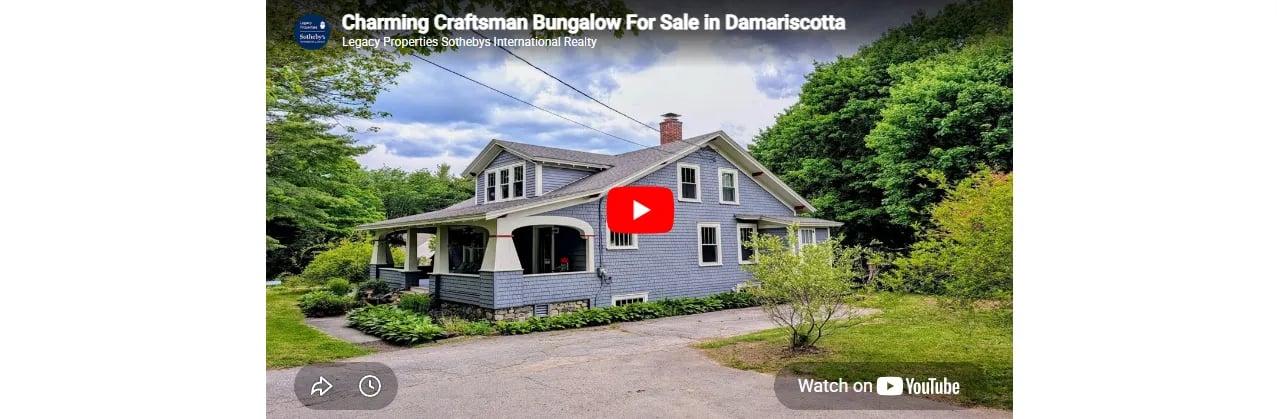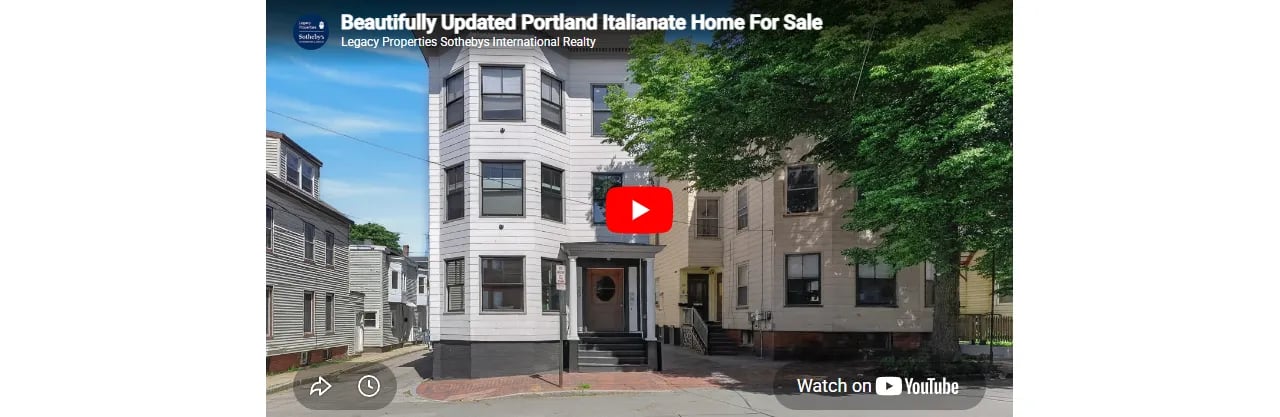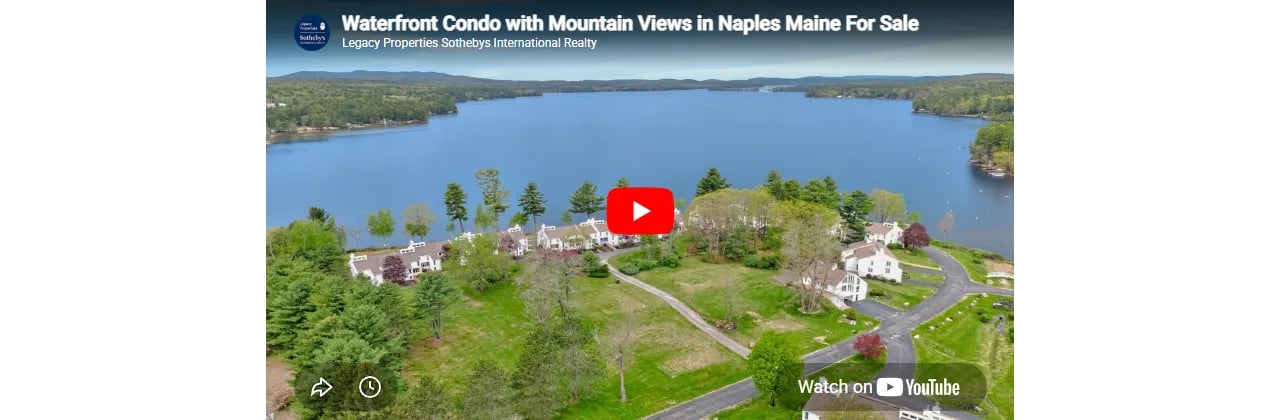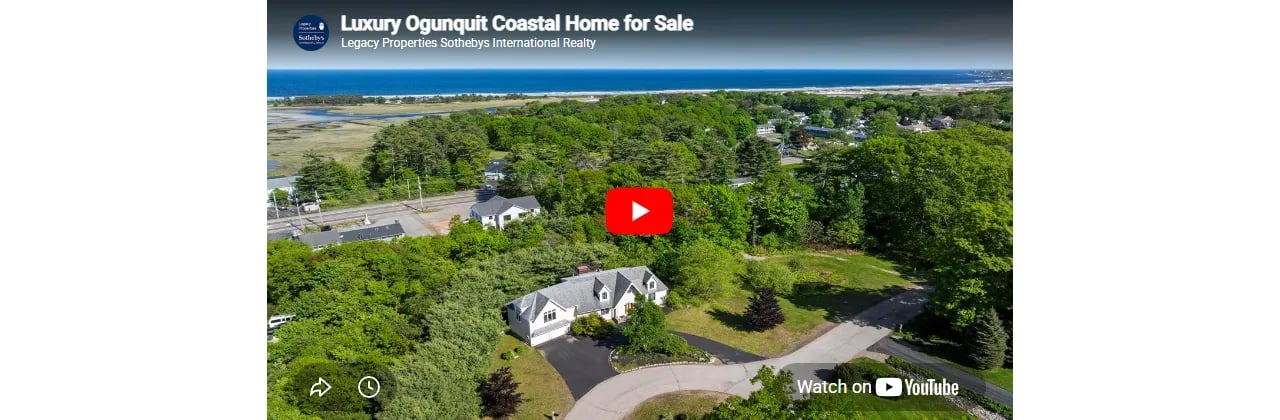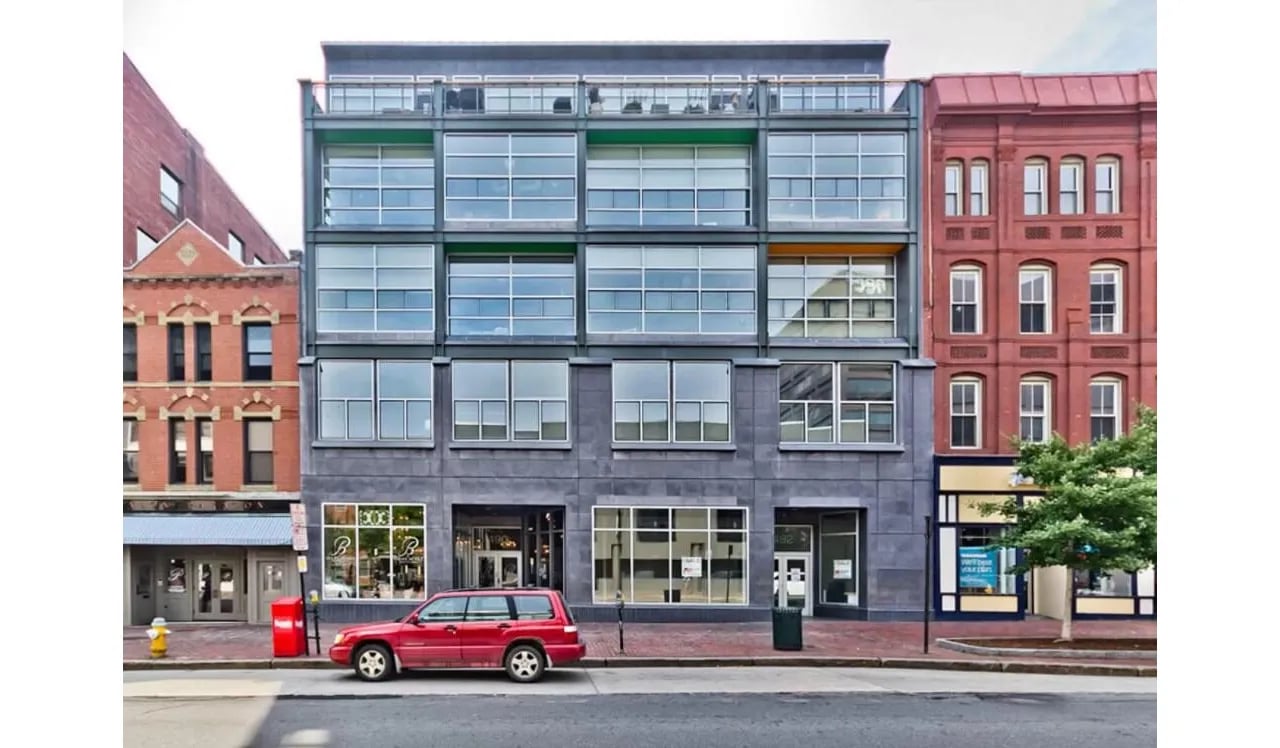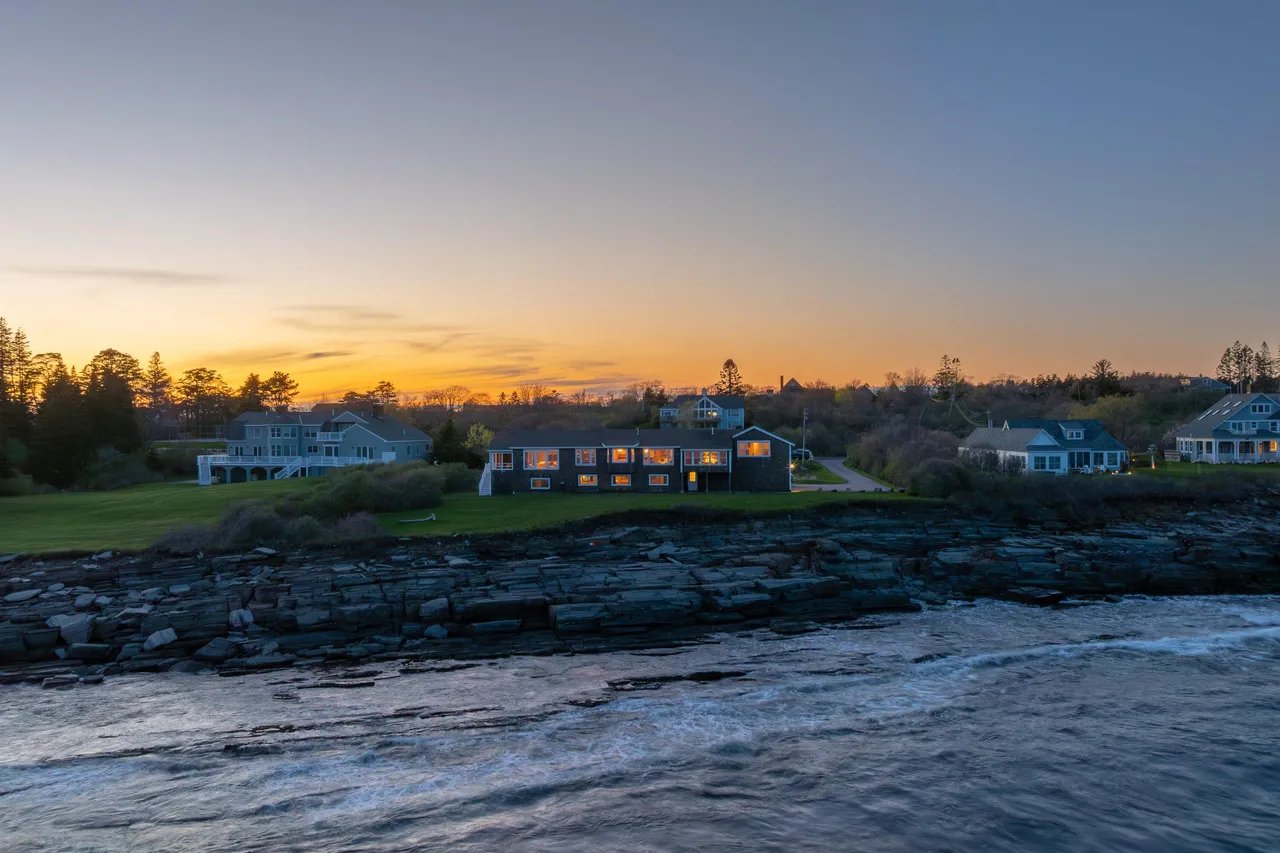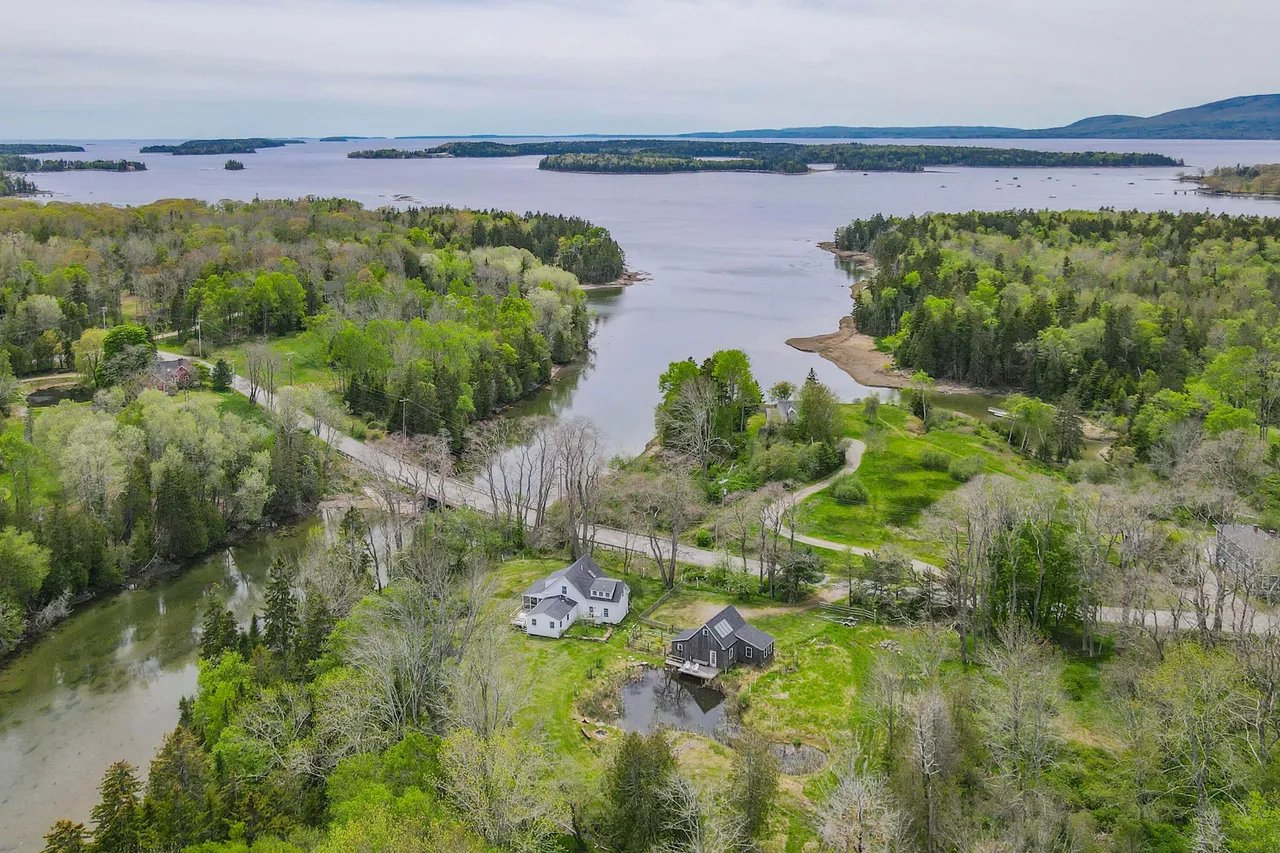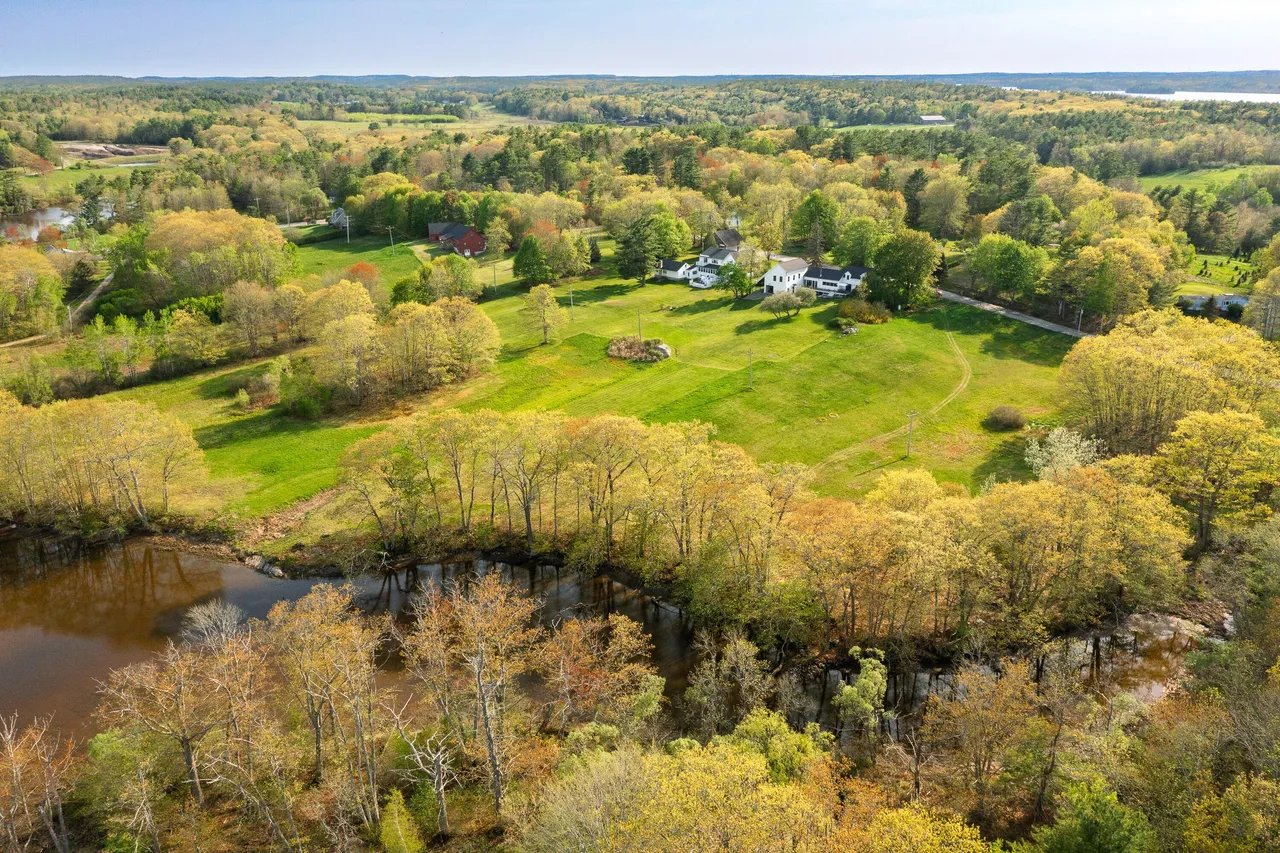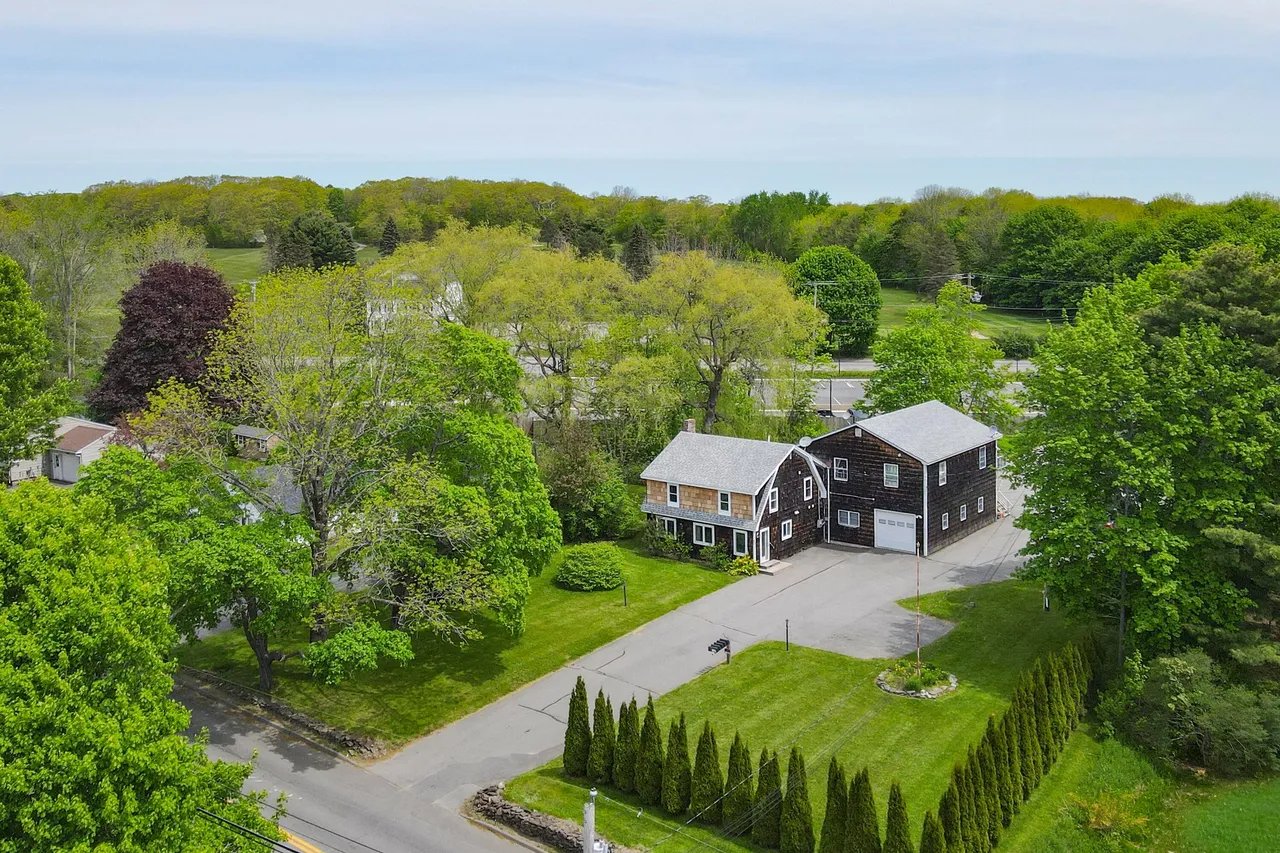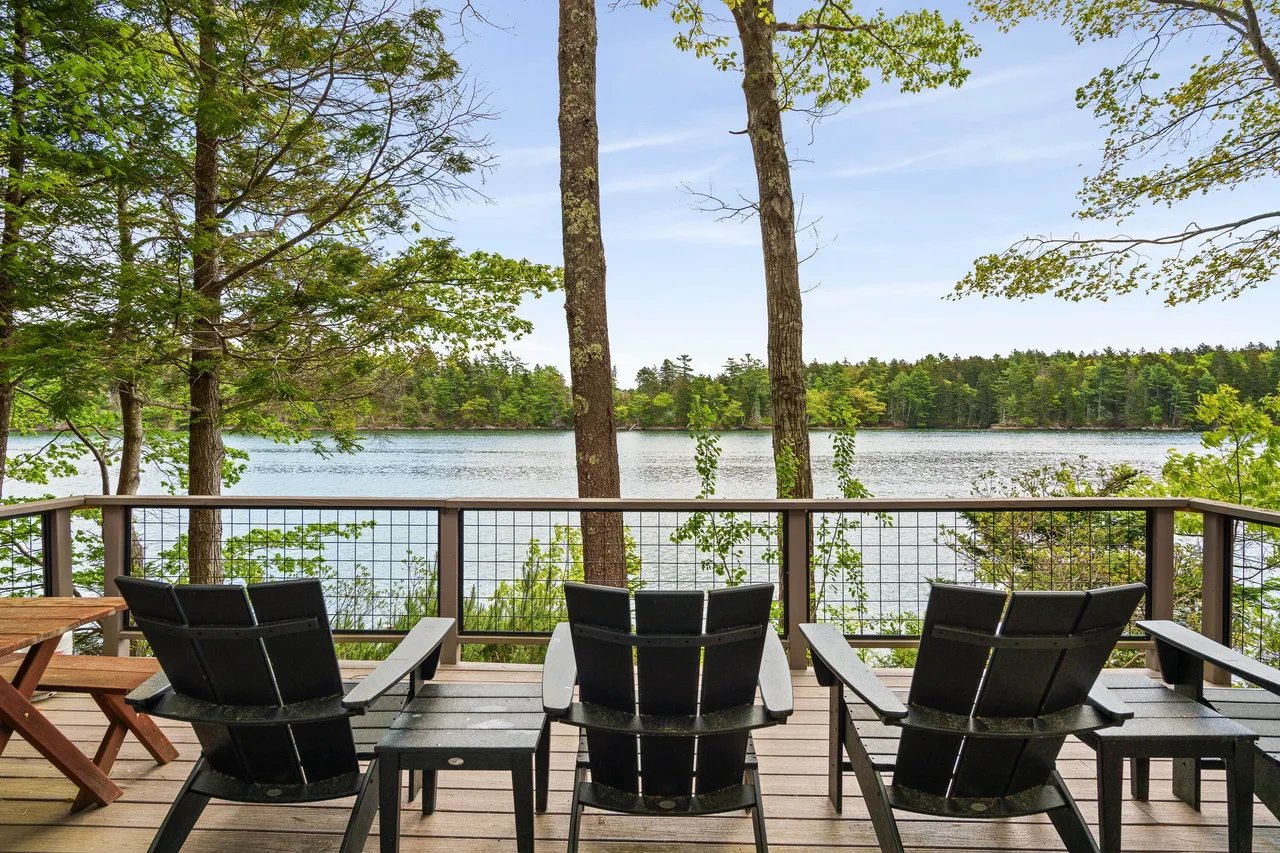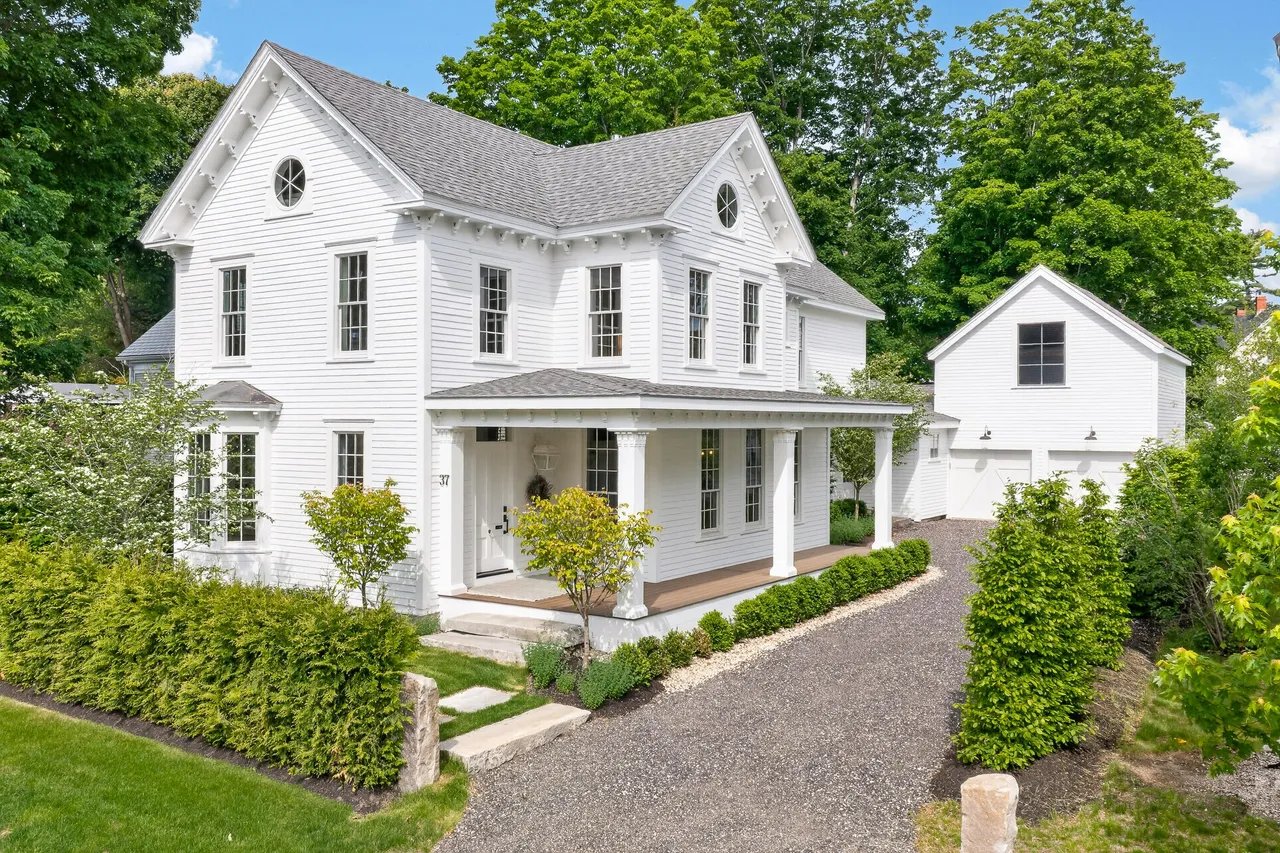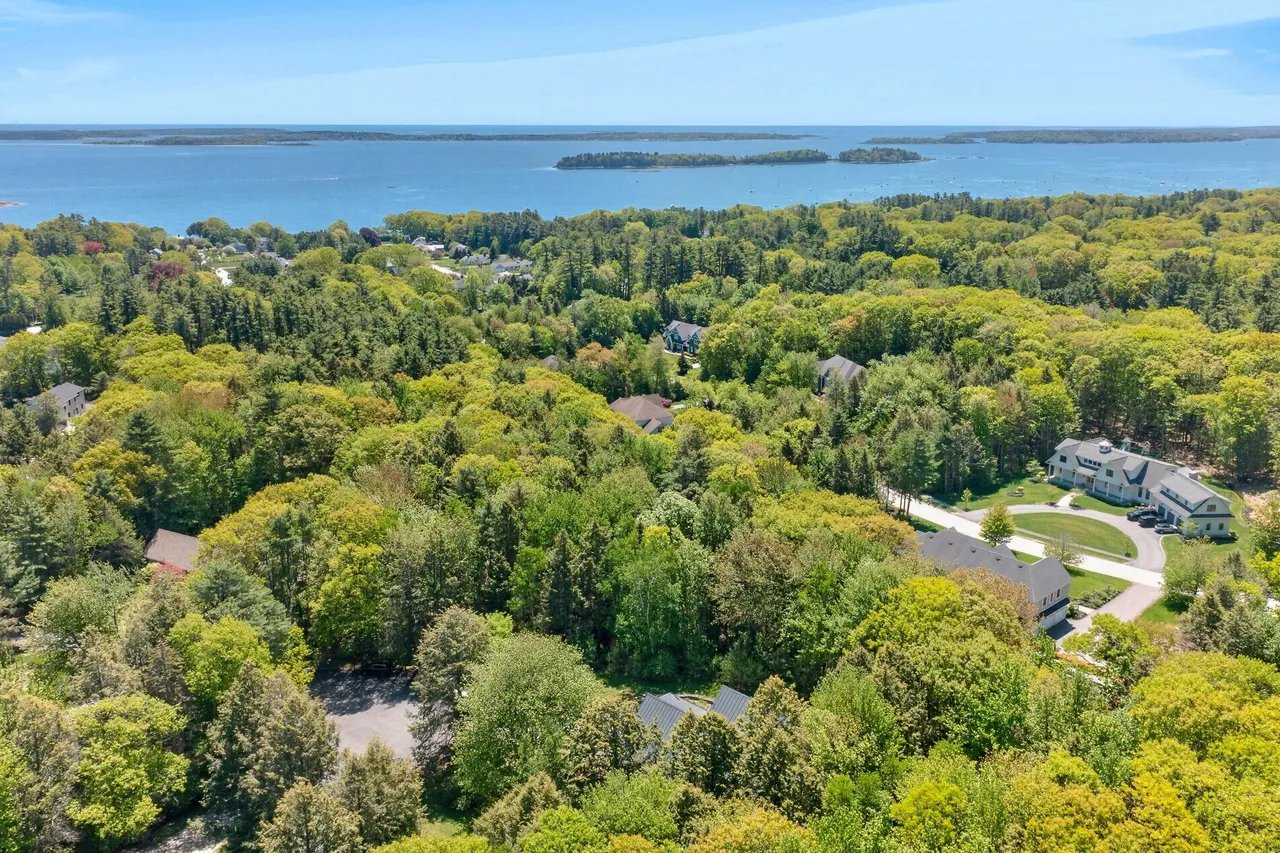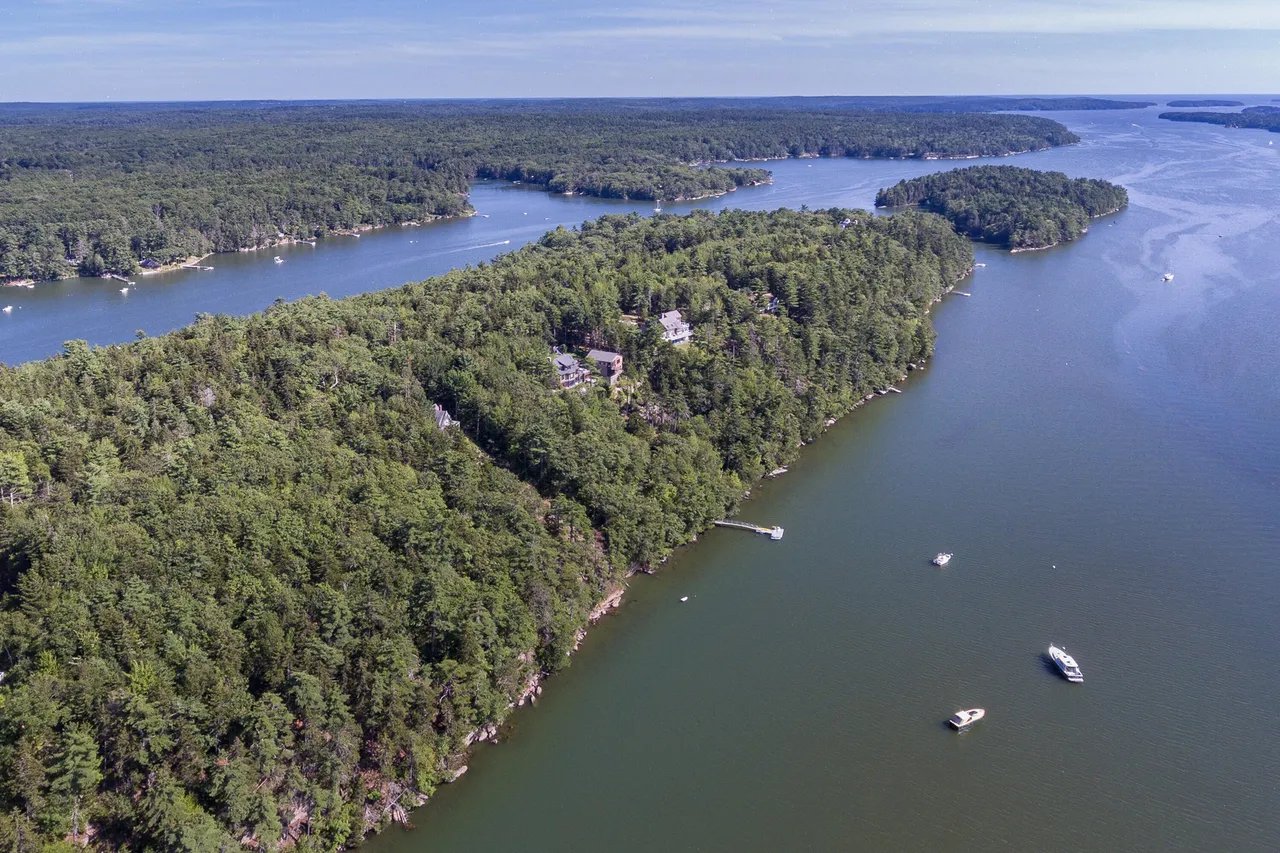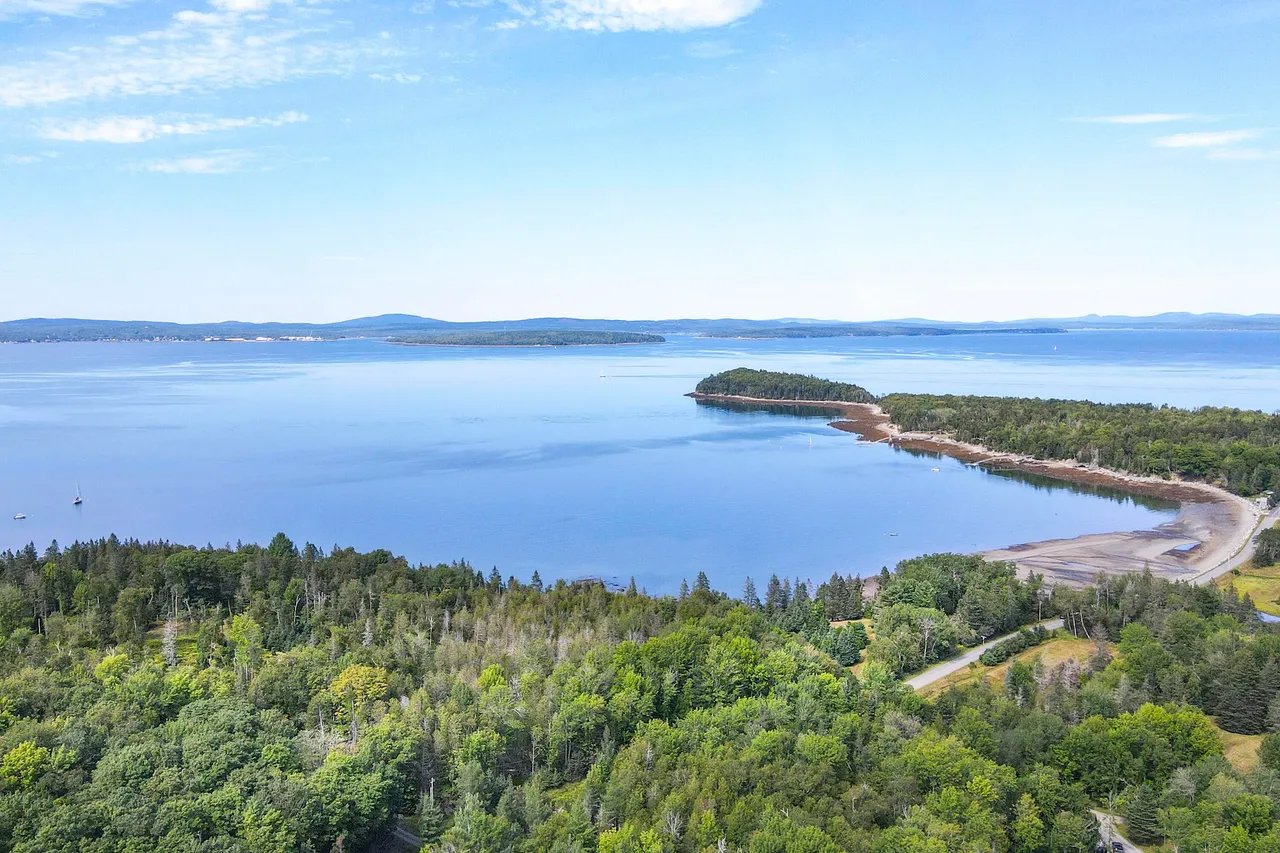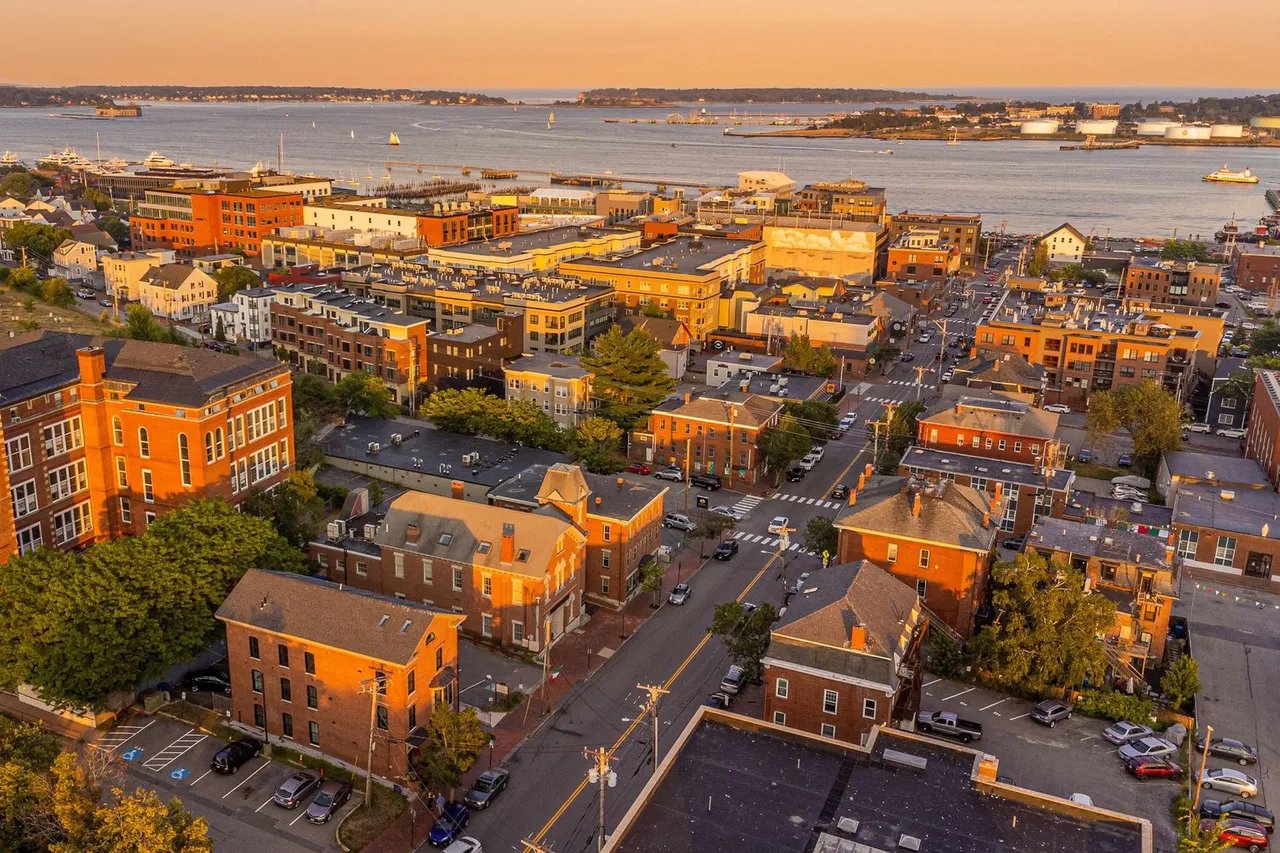
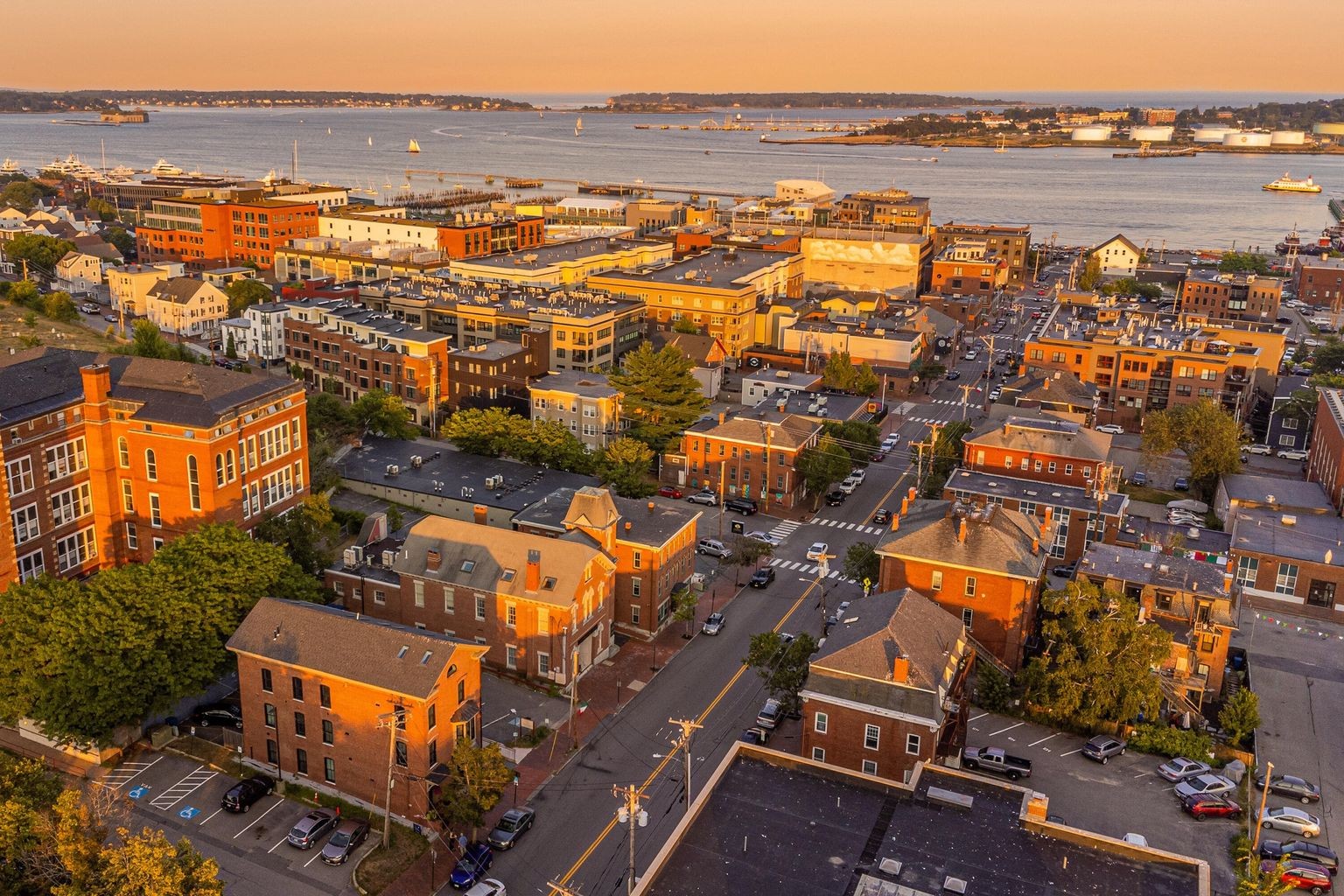
Homebuyers across the country seeking a luxury lifestyle are focusing on Portland, Maine, according to the The Wall Street Journal/Realtor.com Emerging Housing Markets Index. Our historic city ranked as the most popular metro area for luxury buyers in the third quarter of 2023 in the Emerging Housing Index, moving up from sixth place last quarter.
Learn more in this excerpt from Mansion Global:
After more than three years of migration to so-called Sunbelt states, U.S. luxury home buyers are looking north. All the way north to Maine, in fact.
Portland, Maine, was the most popular metro area for luxury buyers in the third quarter of 2023, ranking No. 1 on The Wall Street Journal/Realtor.com Emerging Housing Markets Index, released Wednesday. It was up from No. 6 in the last quarter.
The Providence-Warwick, Rhode Island, region took the No. 4 spot on the index, the data showed.
“Markets around Boston have tended to do pretty well,” said Danielle Hale, chief economist at Realtor.com. “The data shows that Portland is strongly influenced by what happens in Boston. Portland and Providence surfacing at the top of the list is consistent with our data on the Northeast, which is seeing relatively decent demand or at least demand that is outpacing the supply of homes.”
Overall, the top 10 cities on the index make for “an interesting mix, with a little bit of something for everyone,” Hale said. Still, the most popular destinations offer relative affordability, a slower pace of living and access to amenities like shops and restaurants, transportation and outdoor recreation—from skiing to hitting the beach.
Each quarter, the luxury segment of the index pulls housing data for the top 10% of the 60 metropolitan areas in the ranking, which takes into account information on the real estate market and other economic measures, analyzing a number of indicators to rank the most active luxury housing markets.
Indicators include growth in housing supply and demand; median listing prices; a cost-of-living measure; small businesses; local property taxes; amenities; unemployment; wages; and the share of foreign-born residents—who contribute to the economic vitality and diversity of the area.