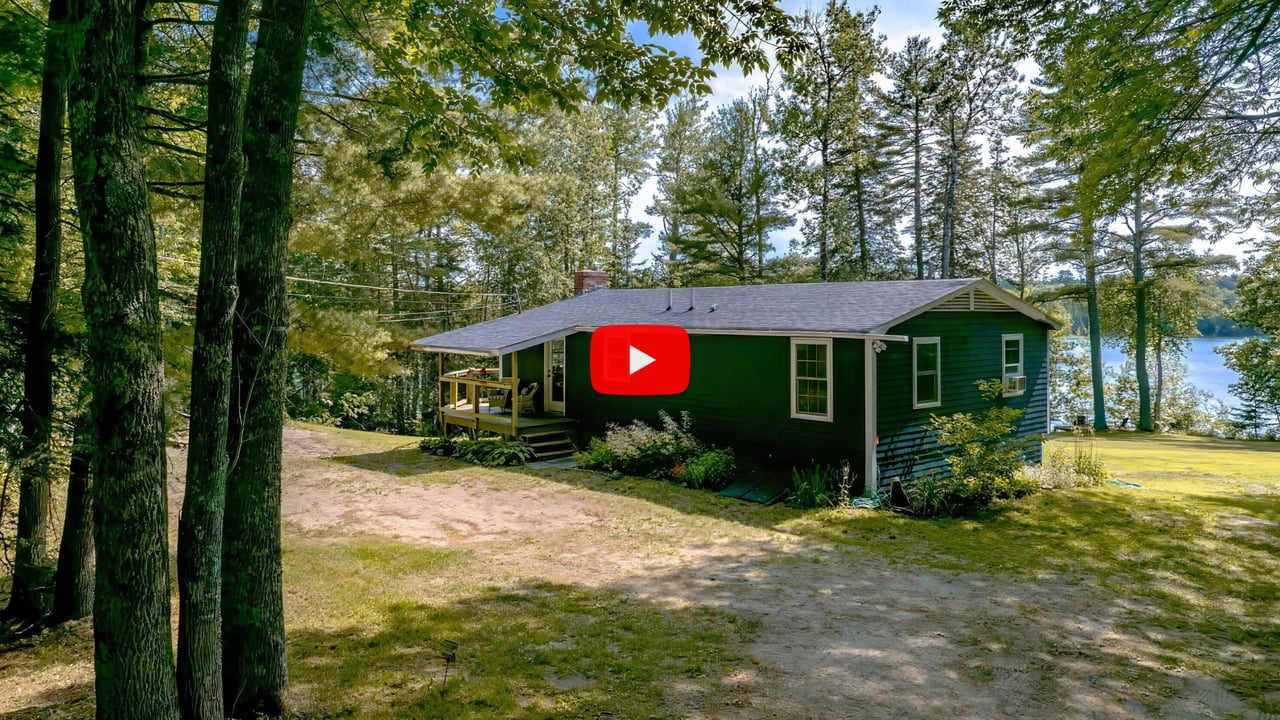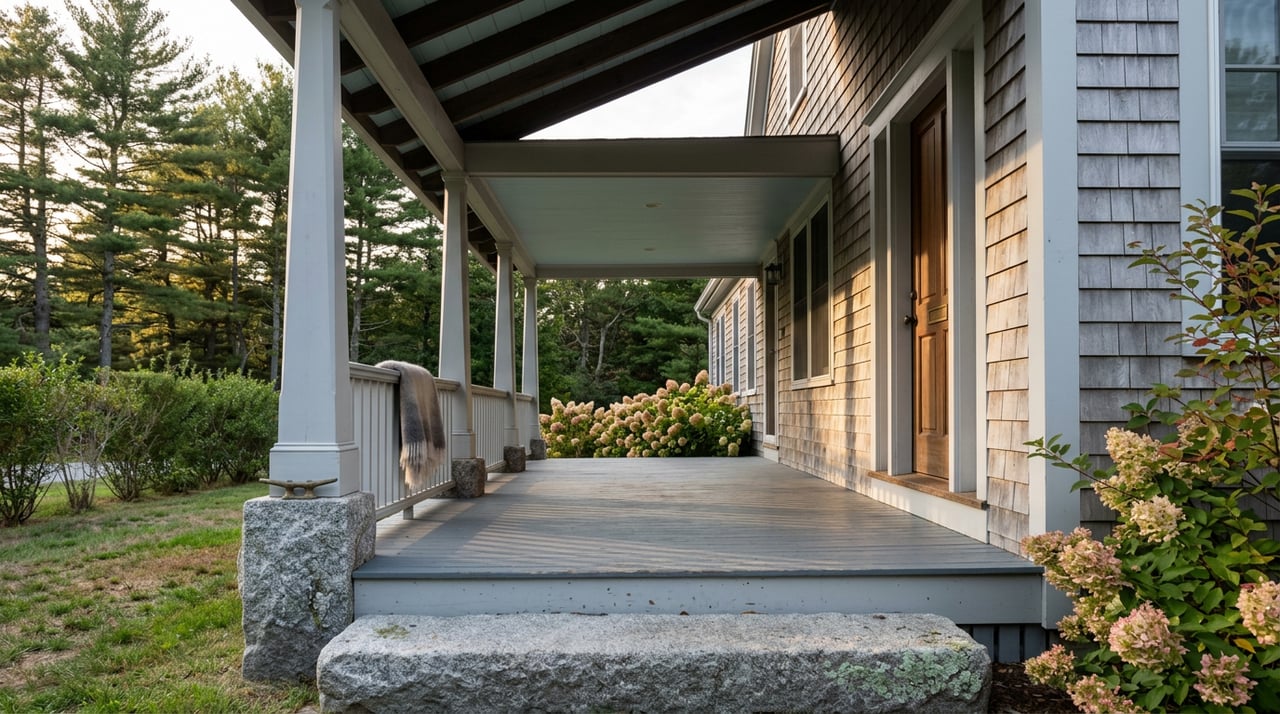
In May 2026, three homes sold in Southwest Harbor. That is not a rounded-down summary. That is the entire month: a four-bedroom on Main Street, a three-bedroom on Forest Avenue, and a house on Bass Harbor Road. Three sales are enough for a portal algorithm to publish a median. They are not enough to describe a market.
Pull up Southwest Harbor on any major listing site right now and you will find a contradiction dressed up as data. The median sale price over the three months ending in May 2026 fell 29.1 percent from the same period a year earlier, landing at $479,000. Over that same window, the median price per square foot climbed 35.1 percent, to $464. A town cannot get cheaper and more expensive in the same season, at least not by any definition a buyer would recognize. What is actually happening is smaller, and more useful to understand: a sample of three sales cannot hold a median steady, and Southwest Harbor's housing stock is varied enough that the mix of whatever happens to close in a given month can swing the headline number by hundreds of thousands of dollars without the underlying market moving at all.
What Three Sales Actually Looked Like
Two of May's three closings are easy to compare directly.
| Street | Configuration | Square Feet | Sale Price | Price per Sq Ft |
|---|---|---|---|---|
| Main Street | 4 bd / 2 ba | 1,496 | $350,000 | $234 |
| Forest Avenue | 3 bd / 2 ba | 1,479 | $695,000 | $470 |
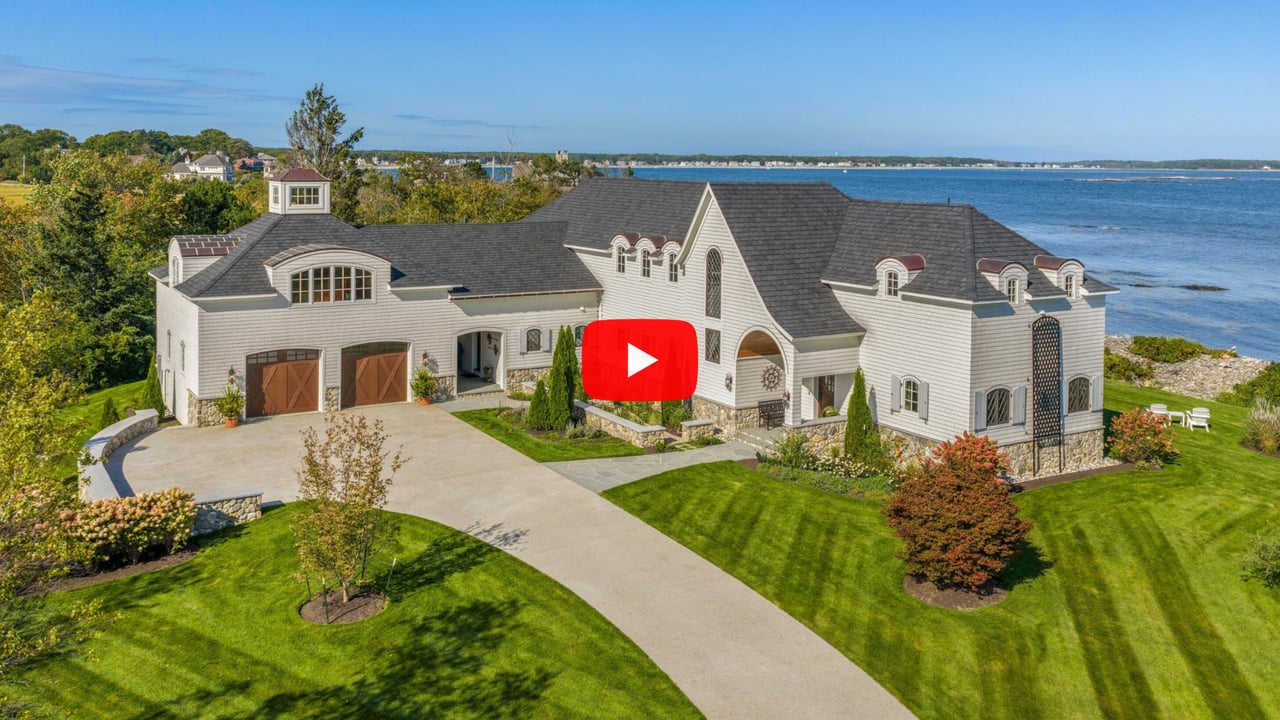
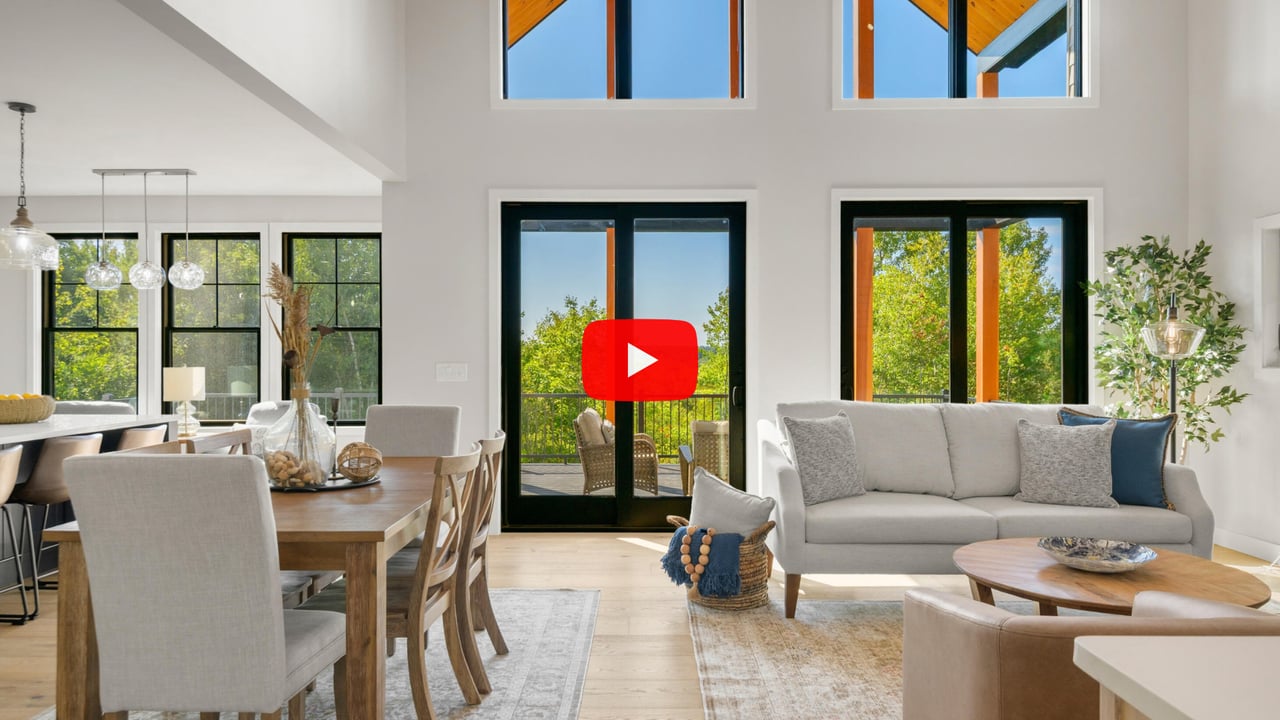
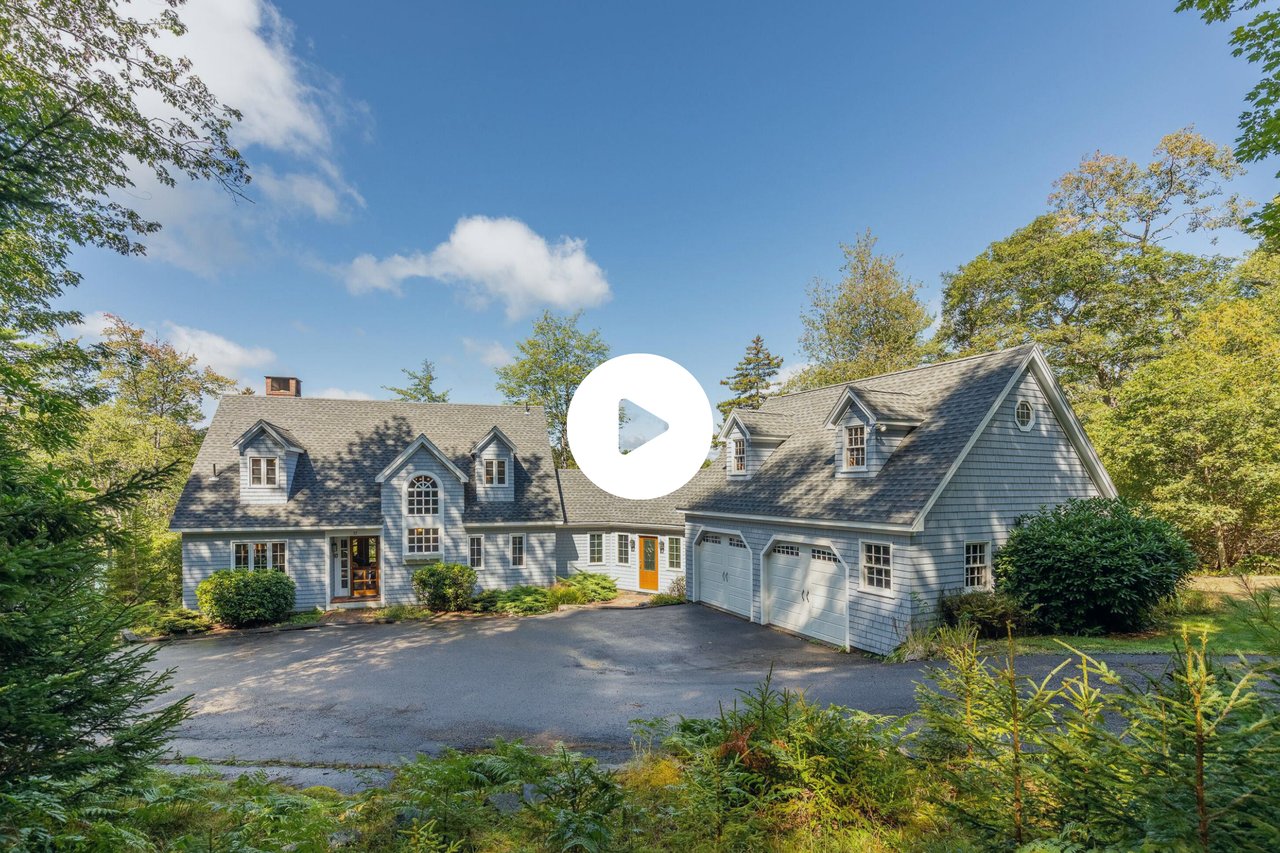
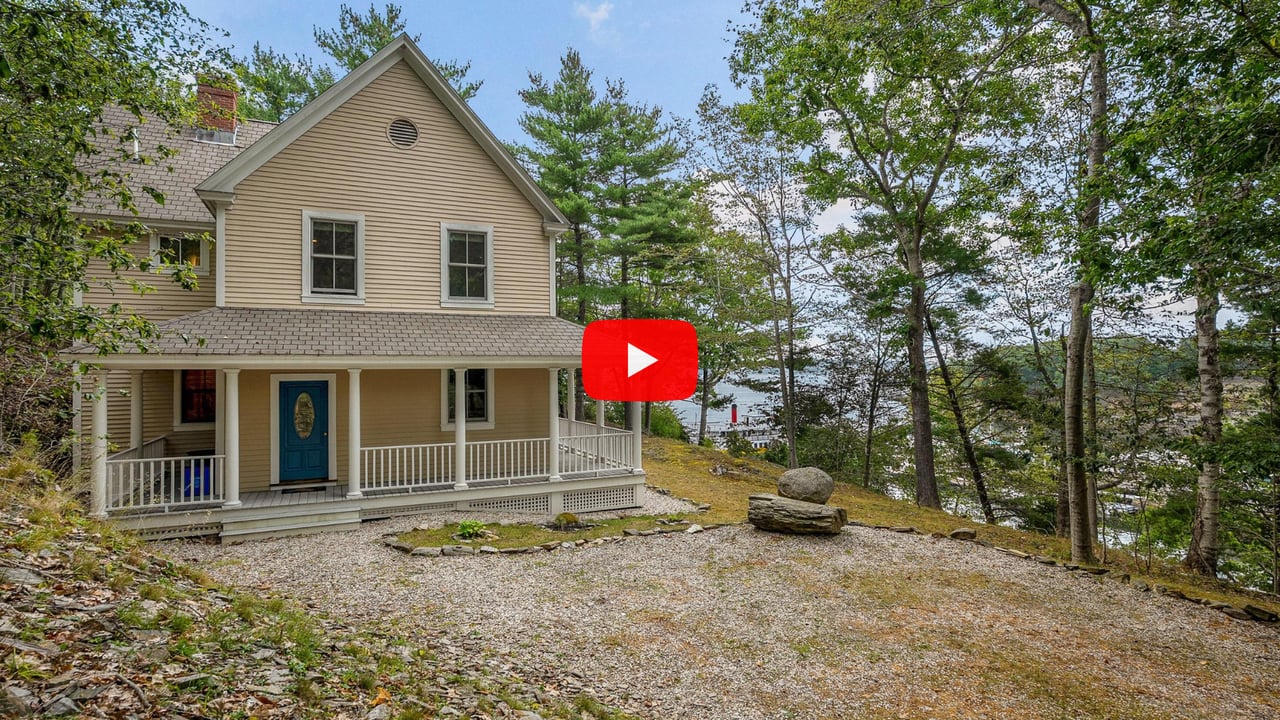
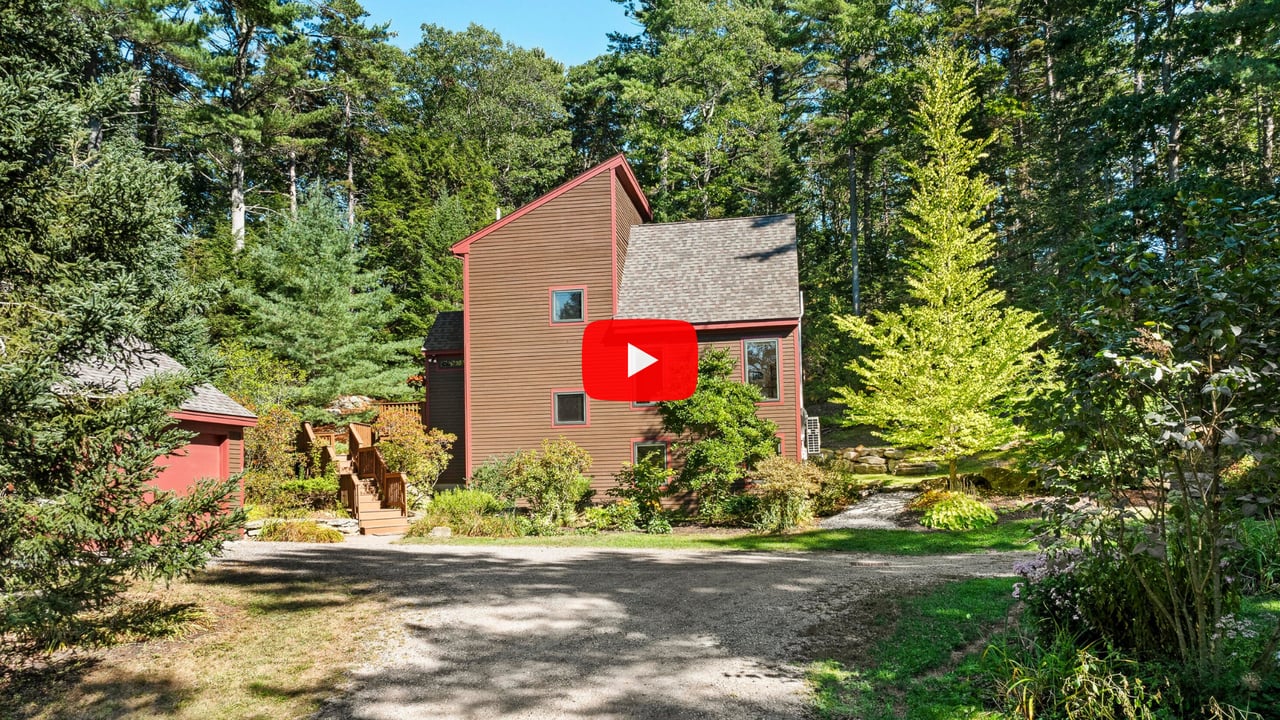
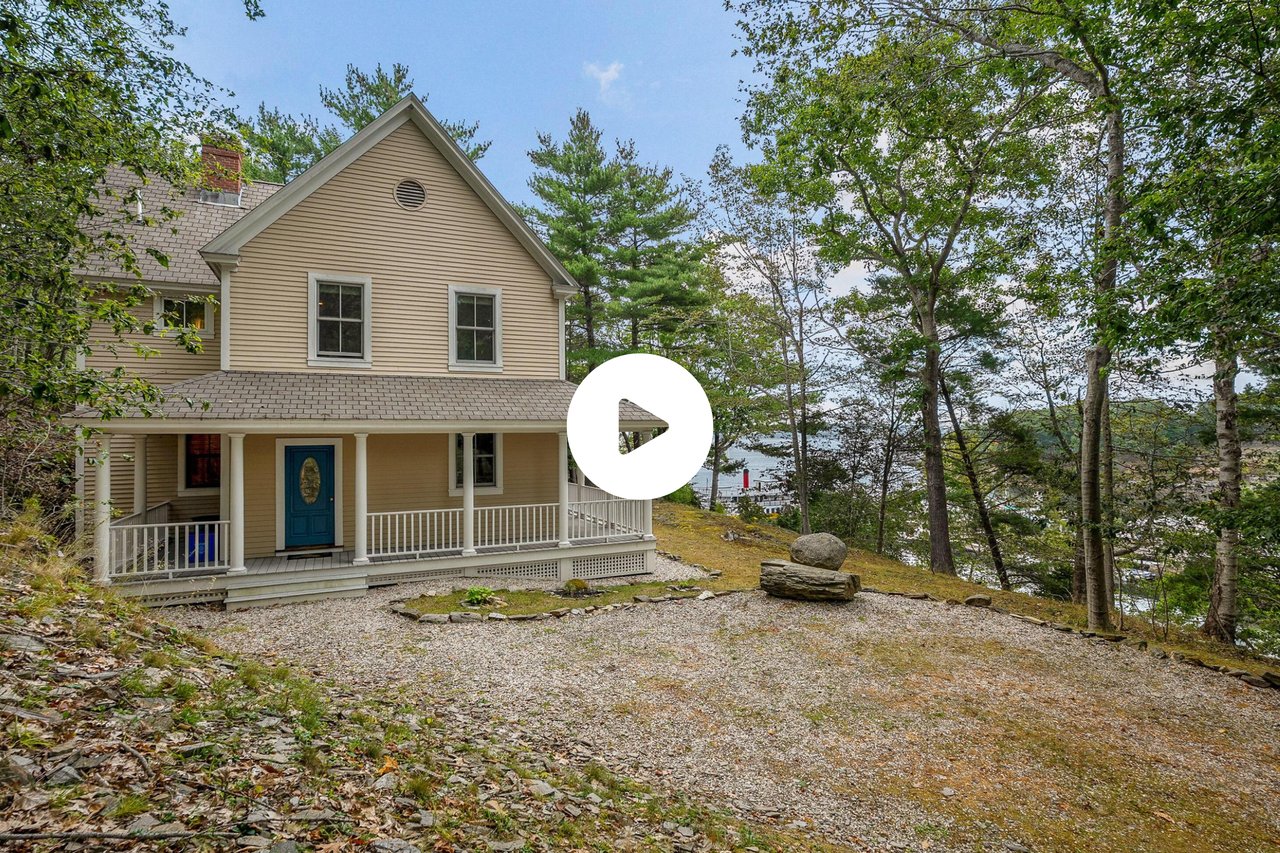
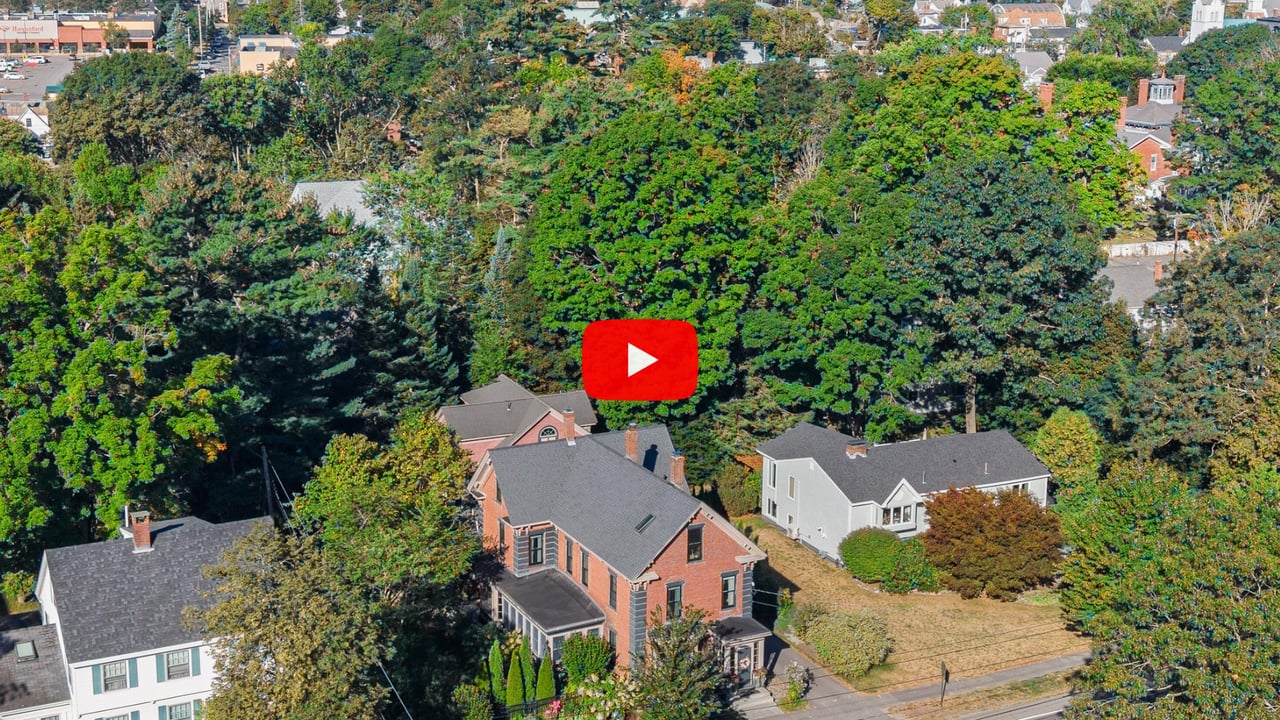
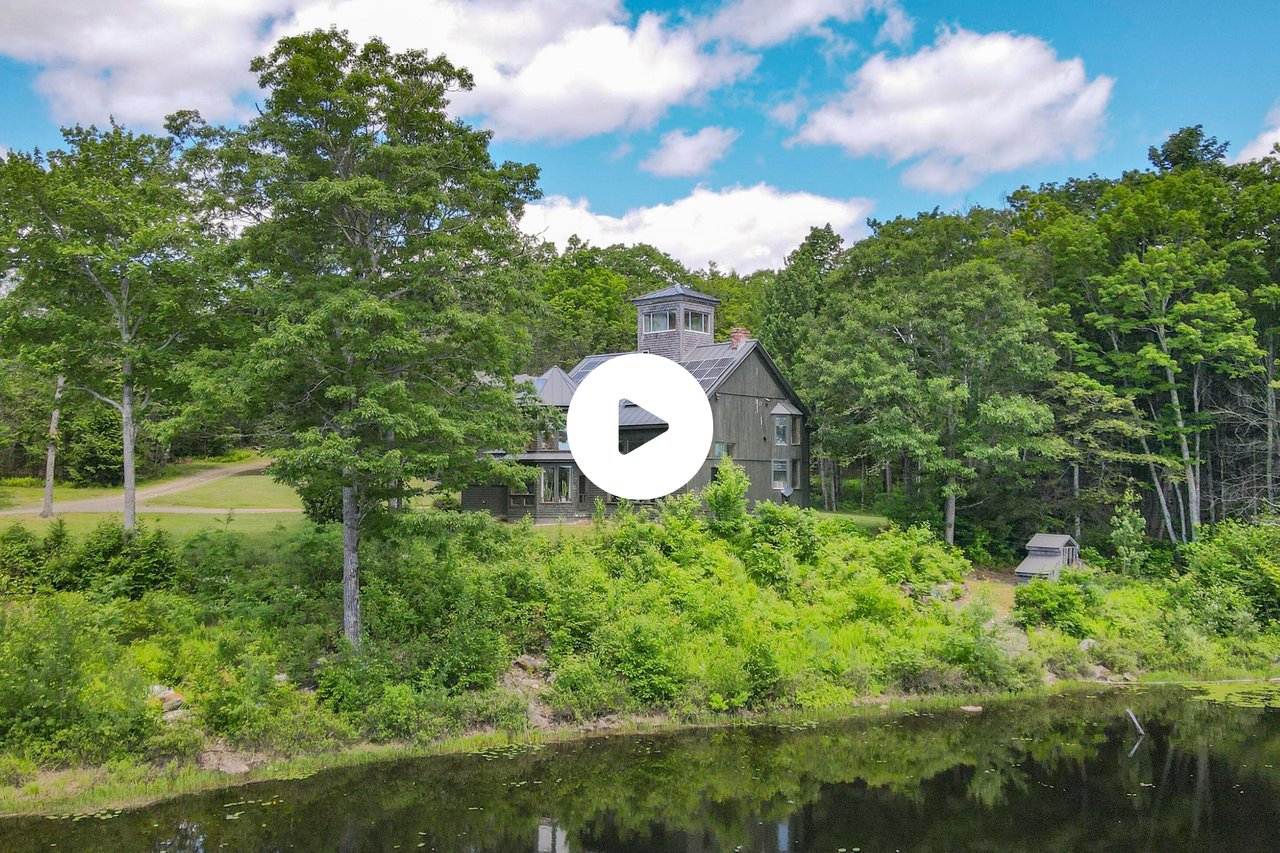
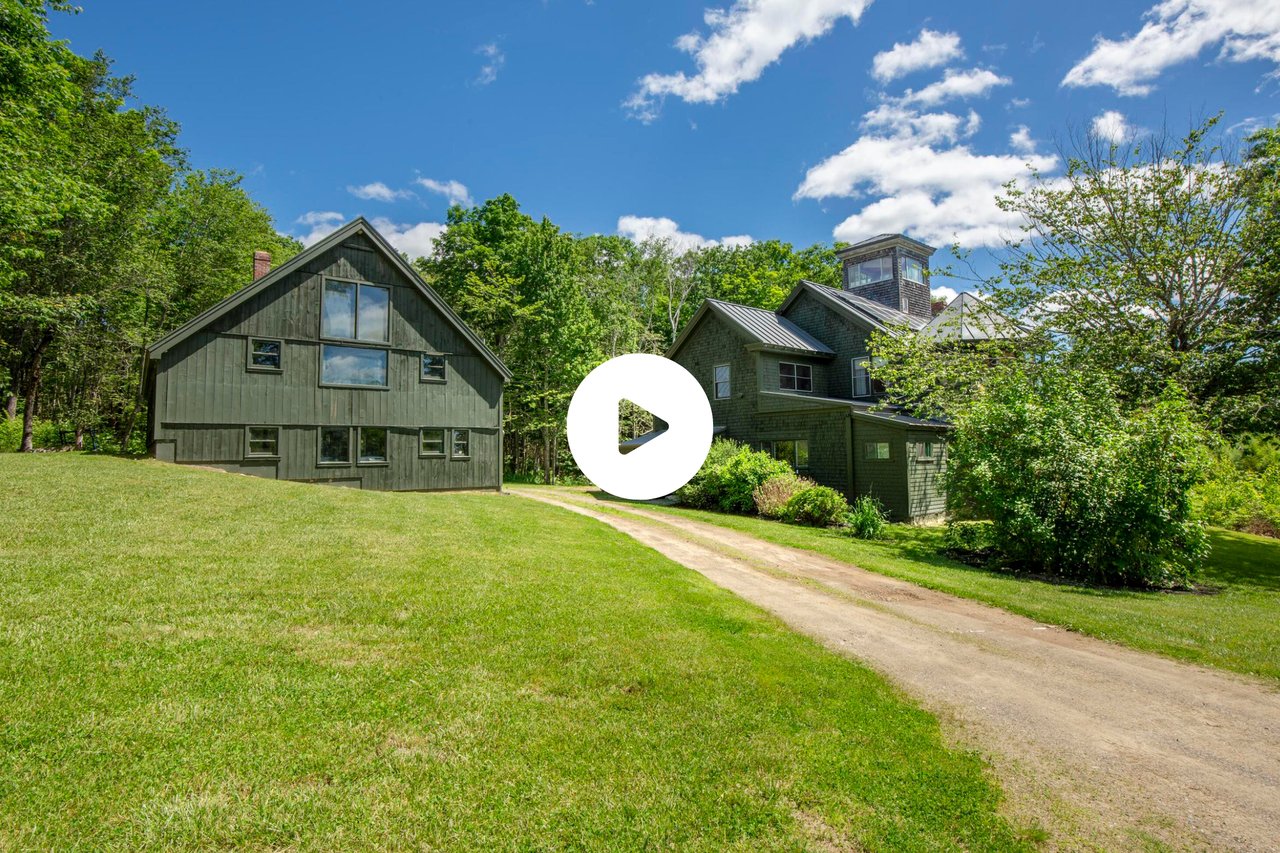
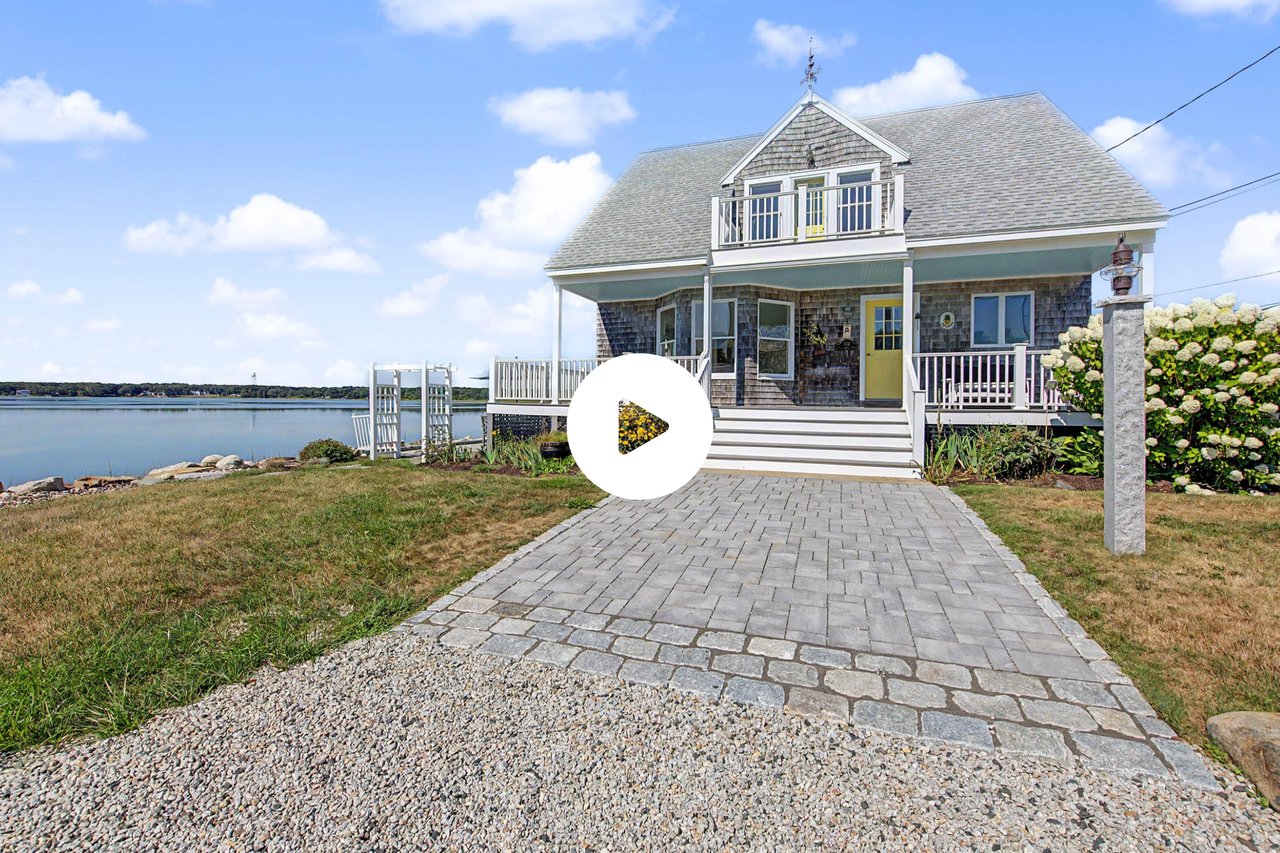
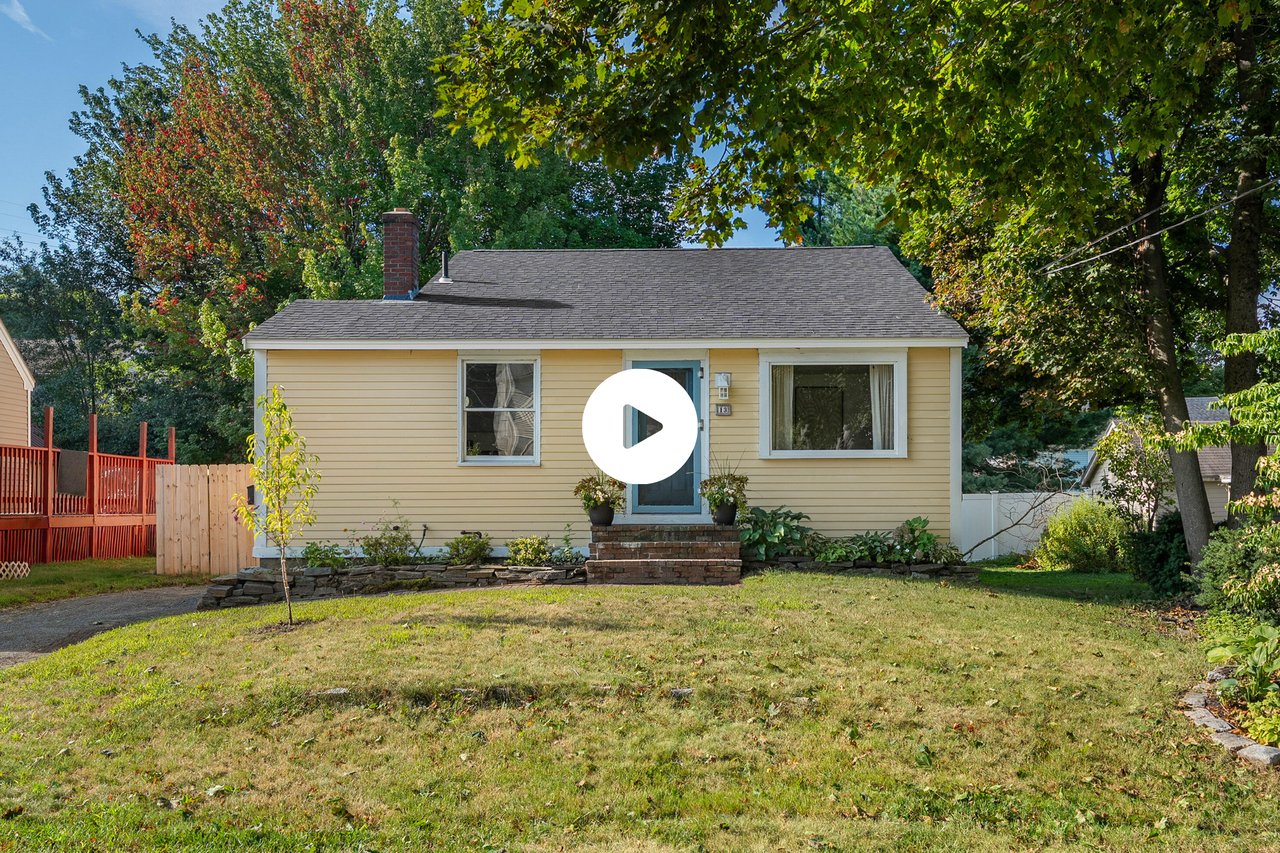
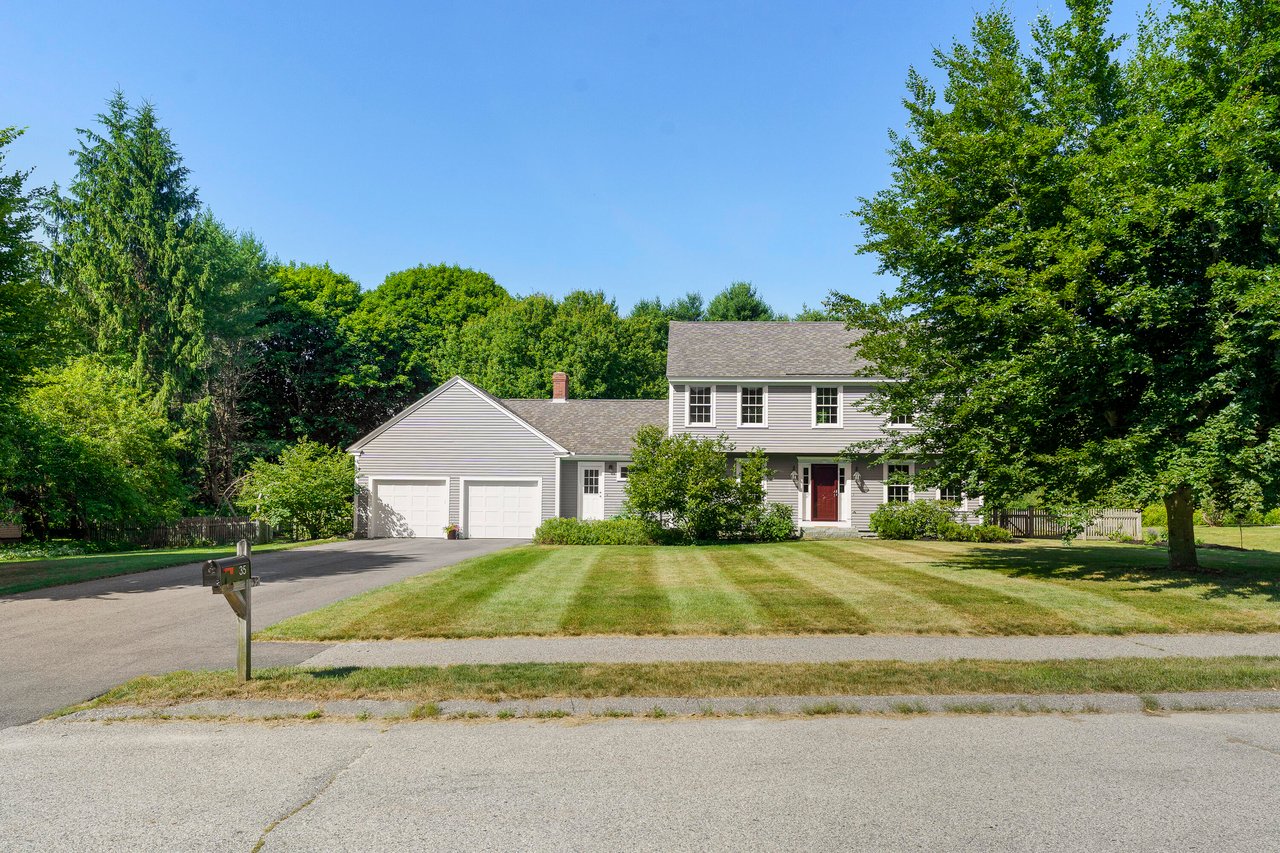
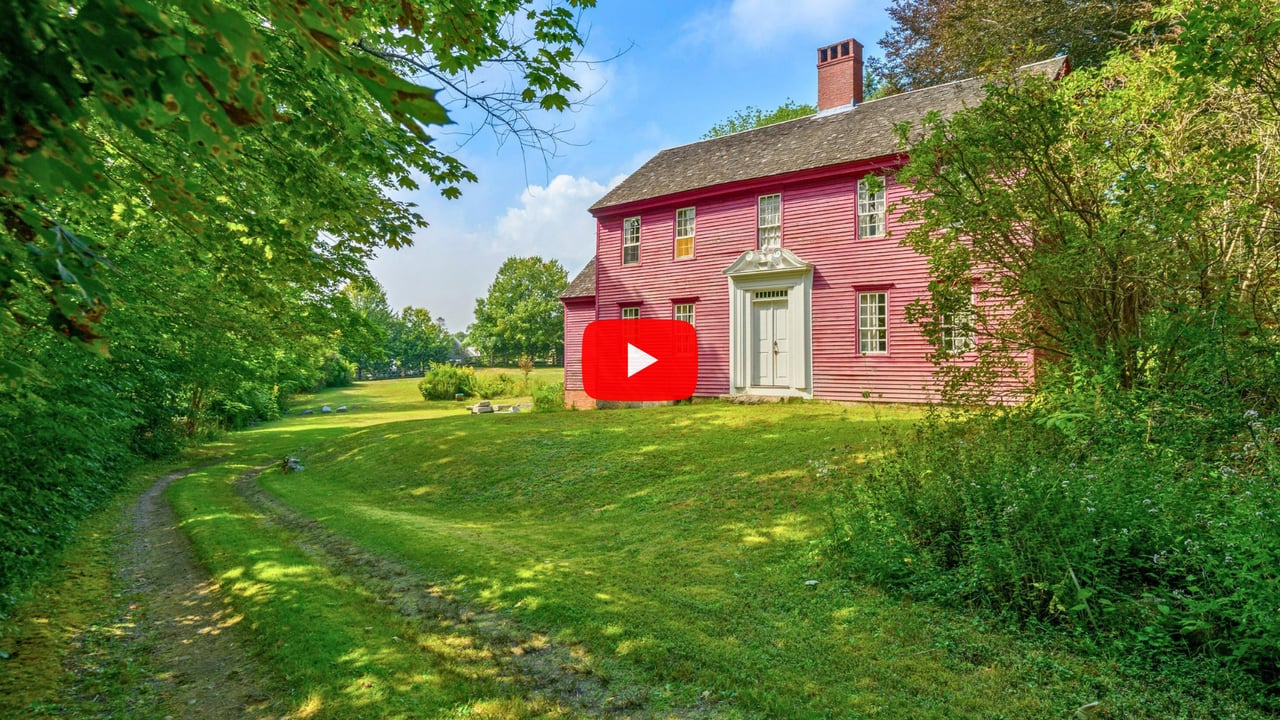
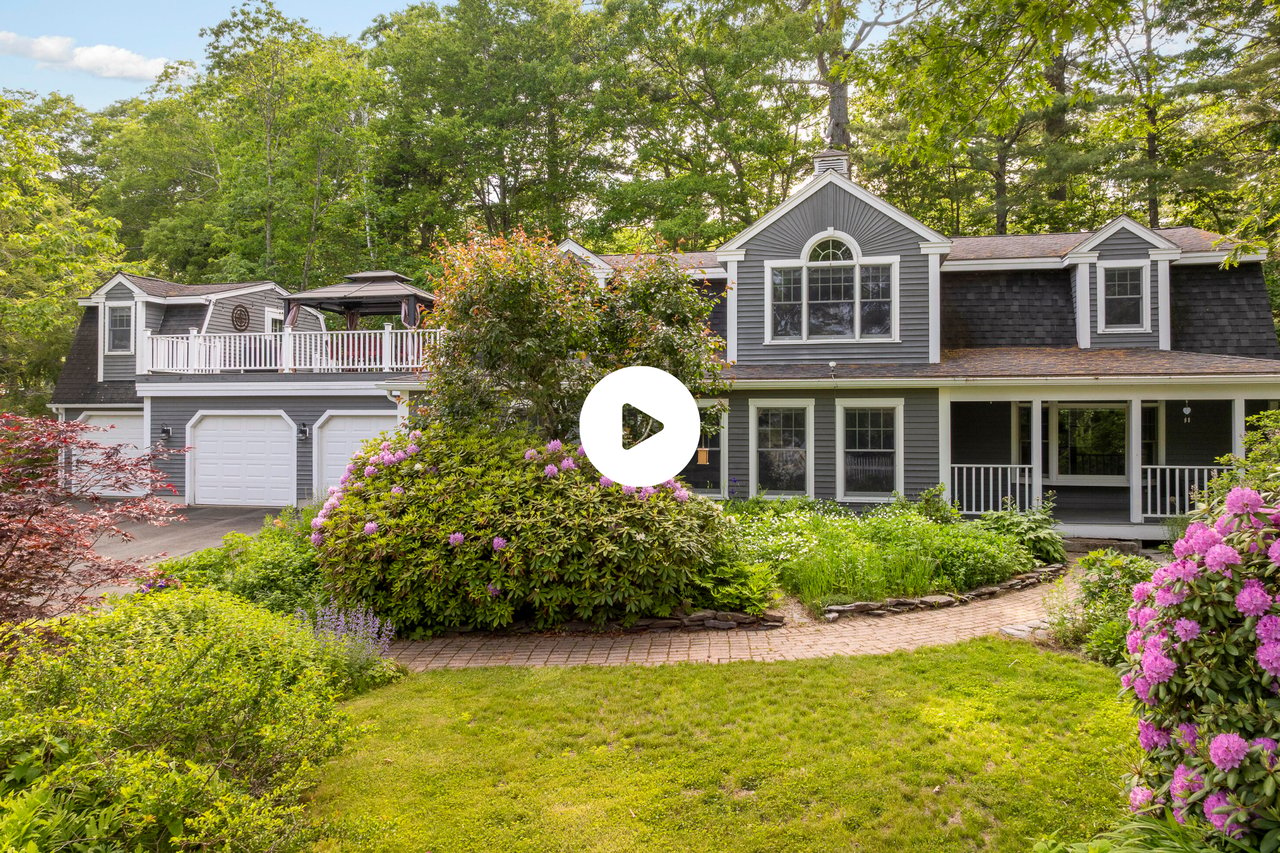
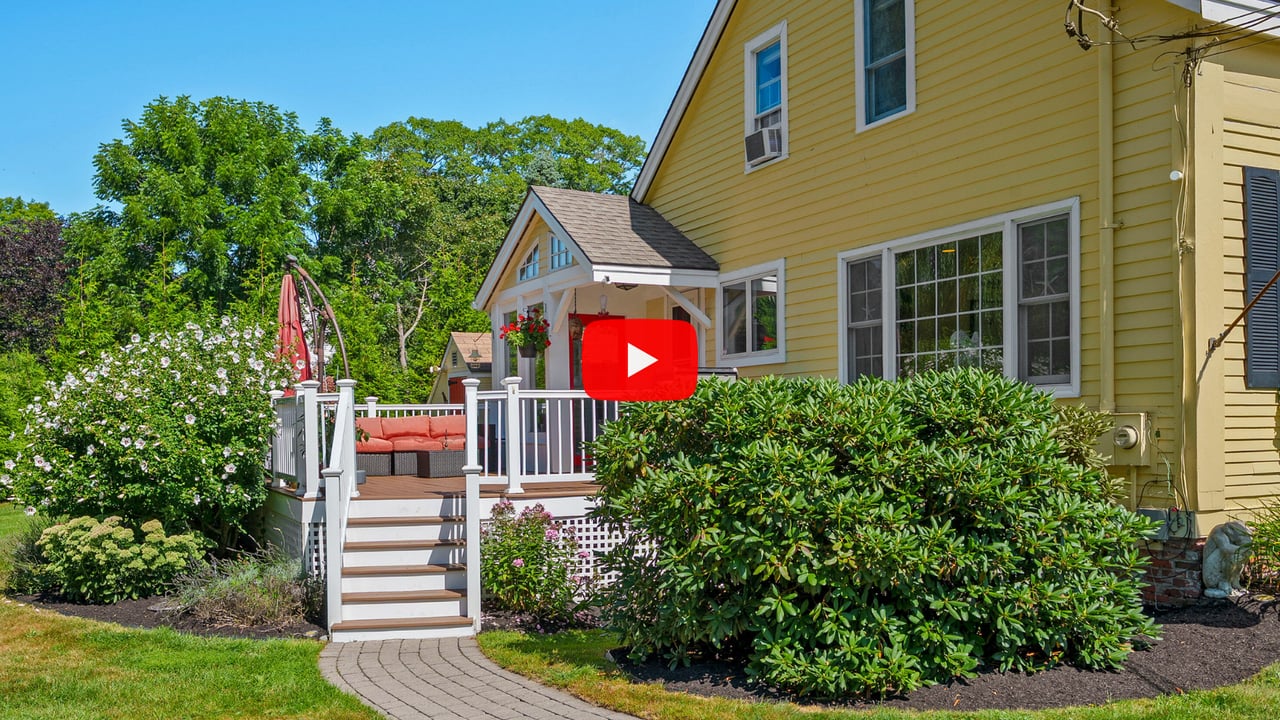
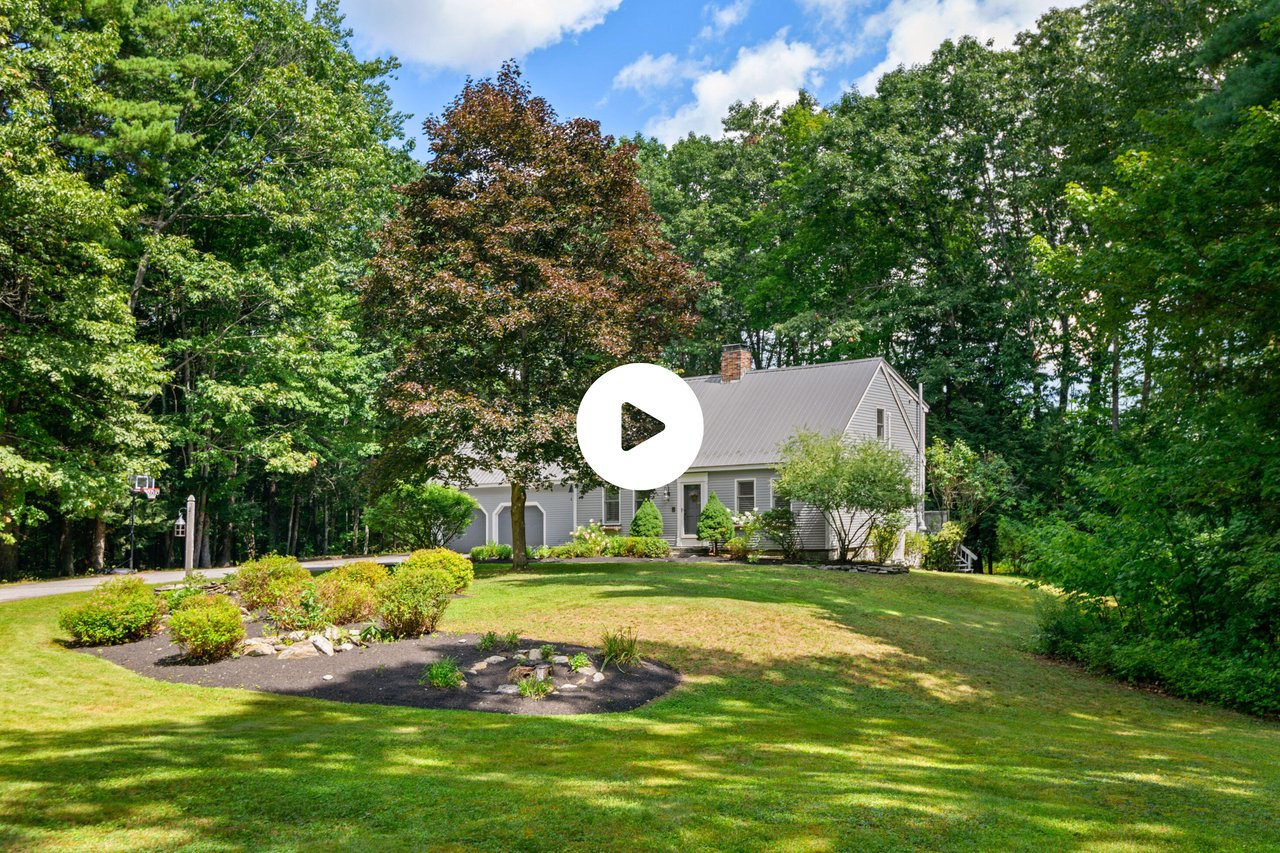
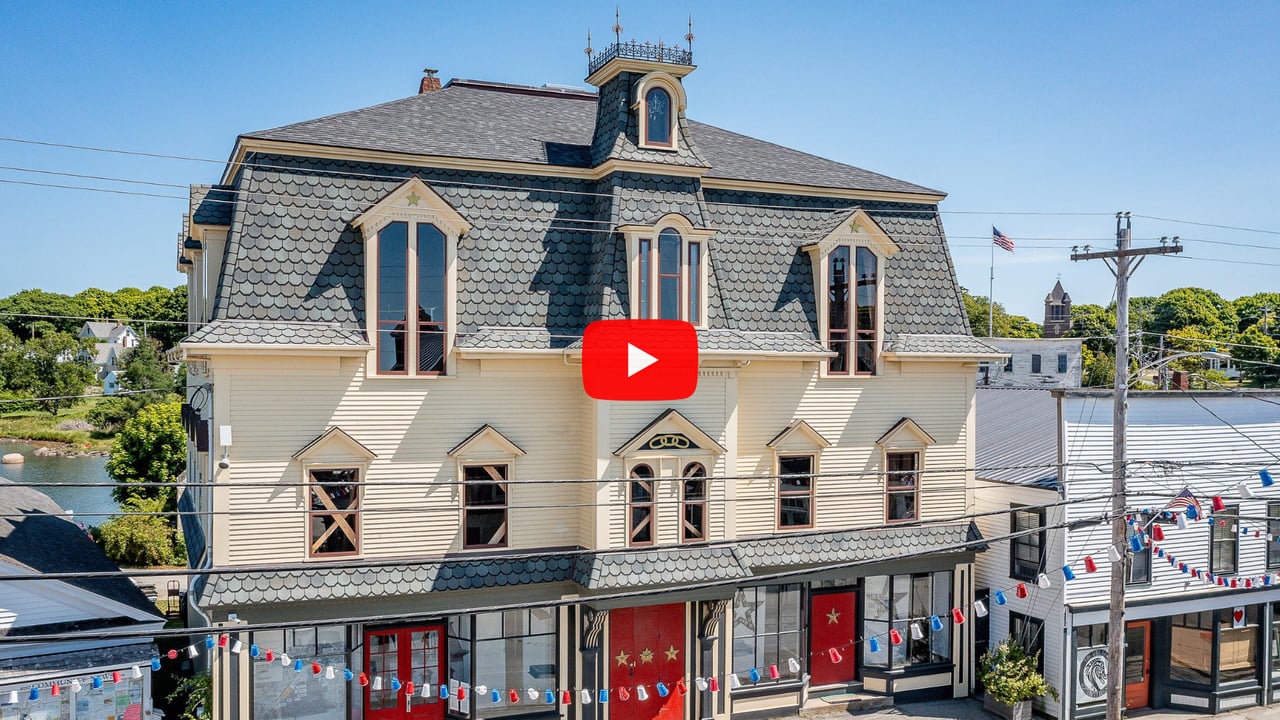
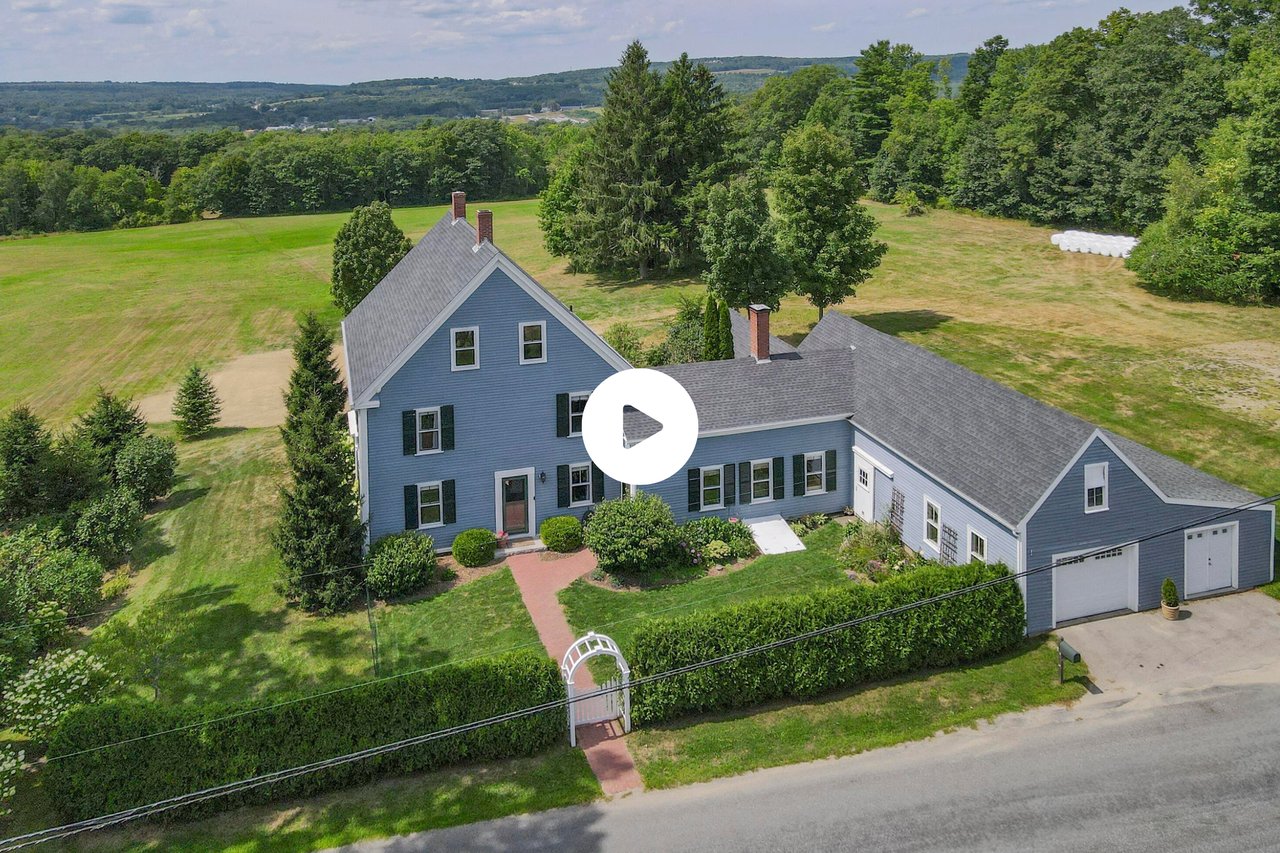
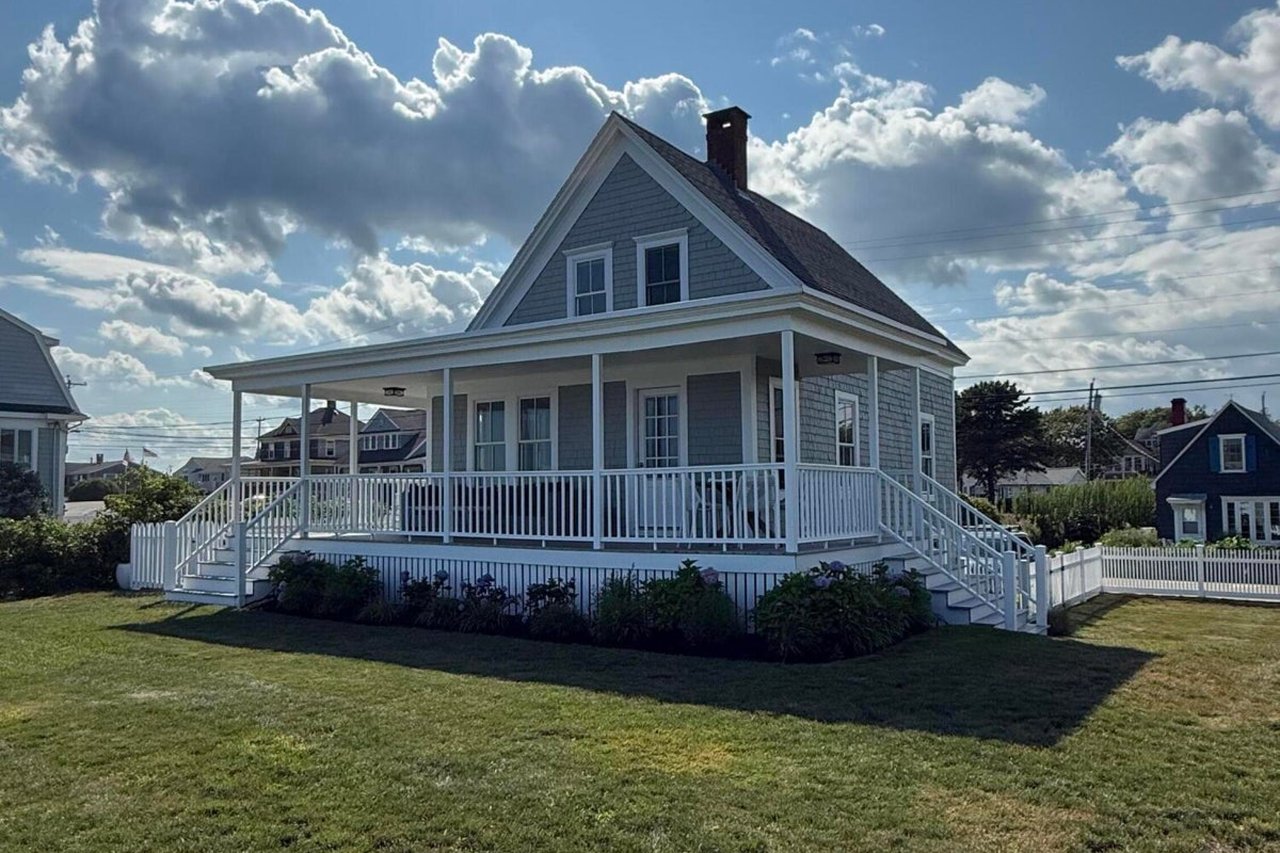
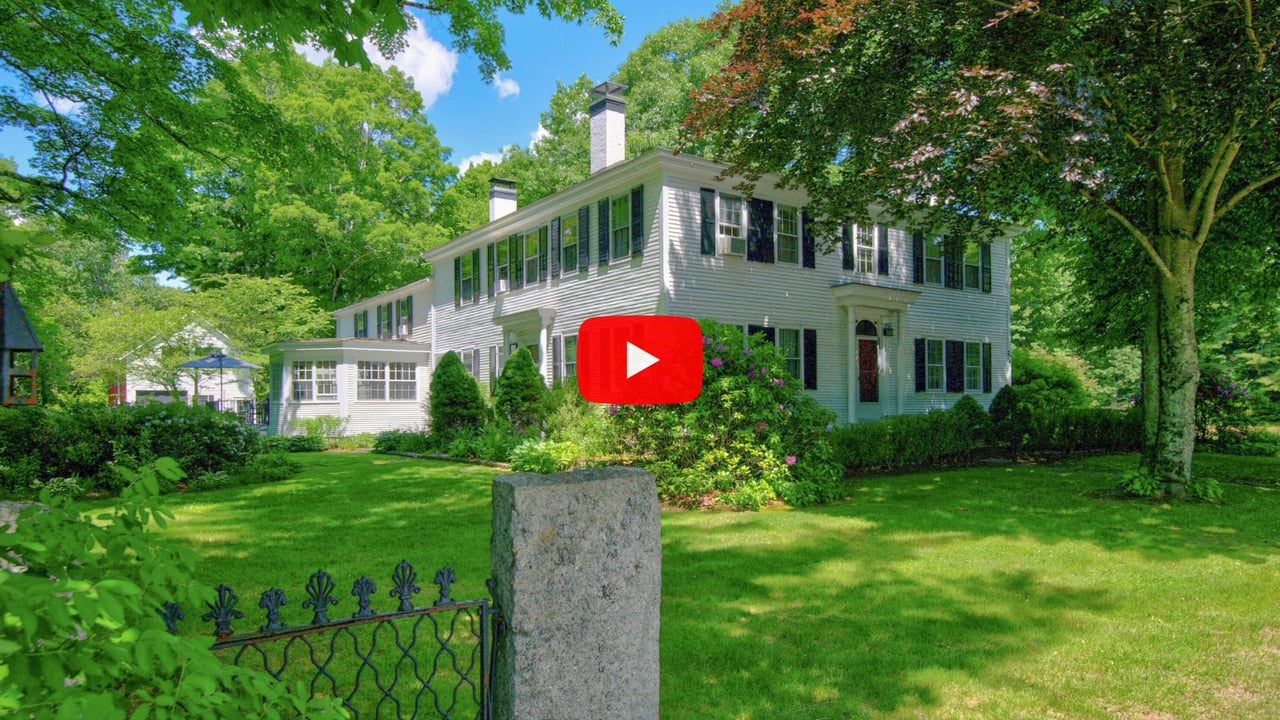
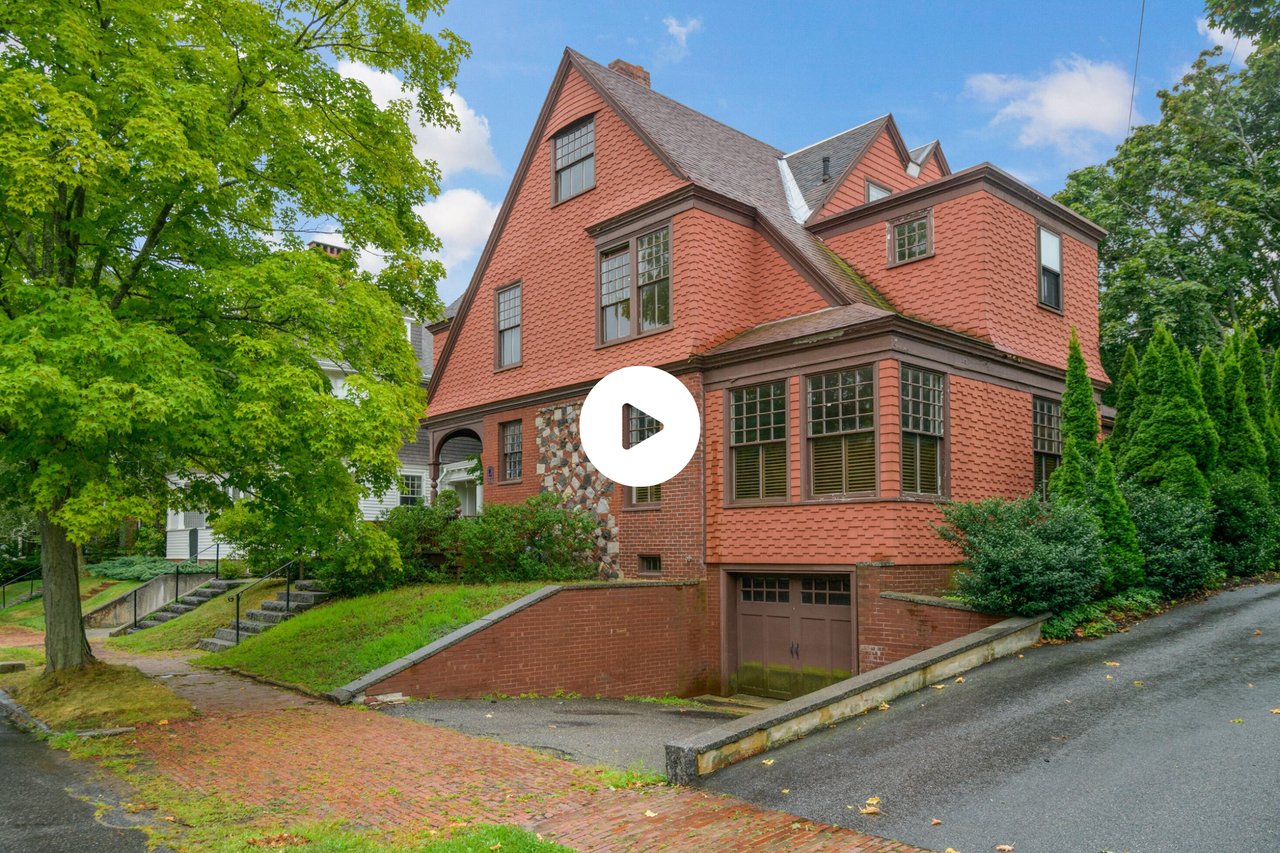
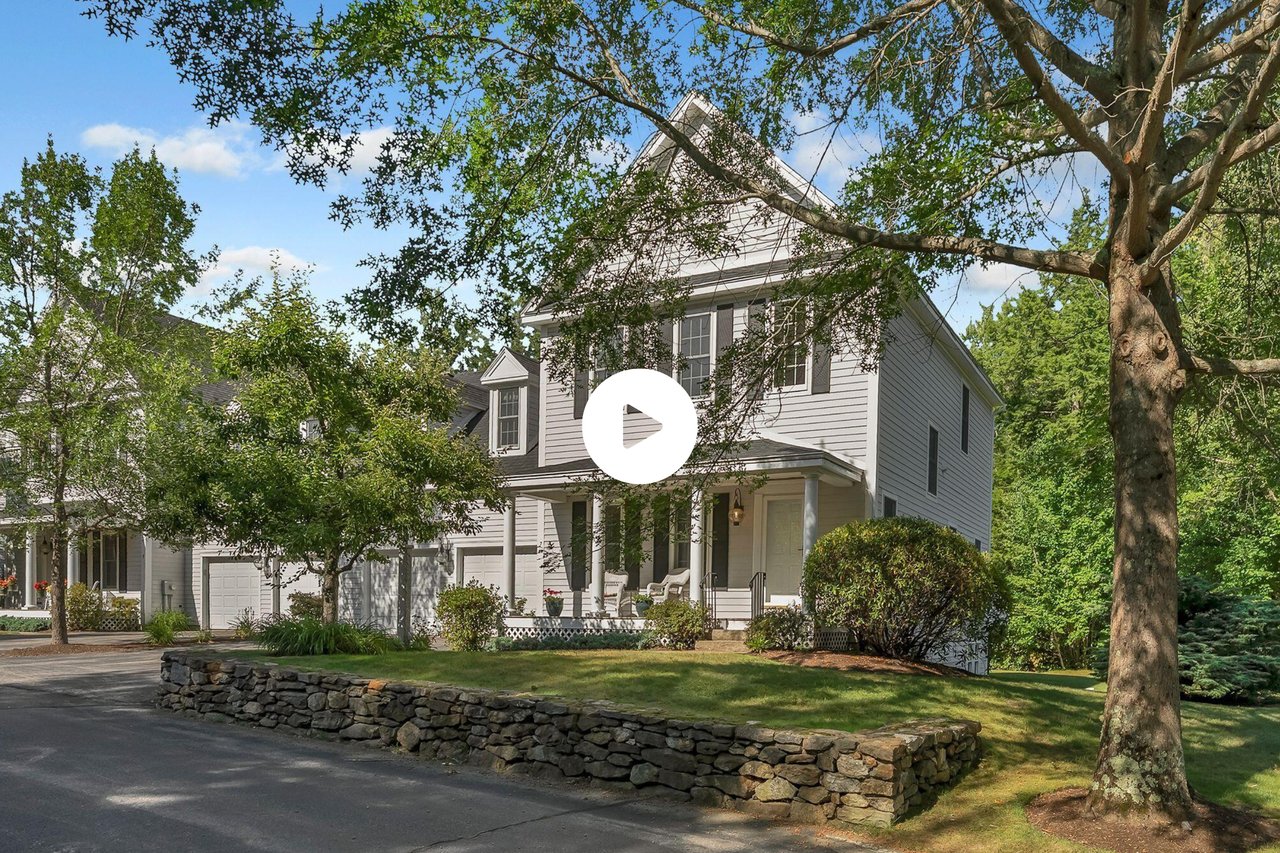
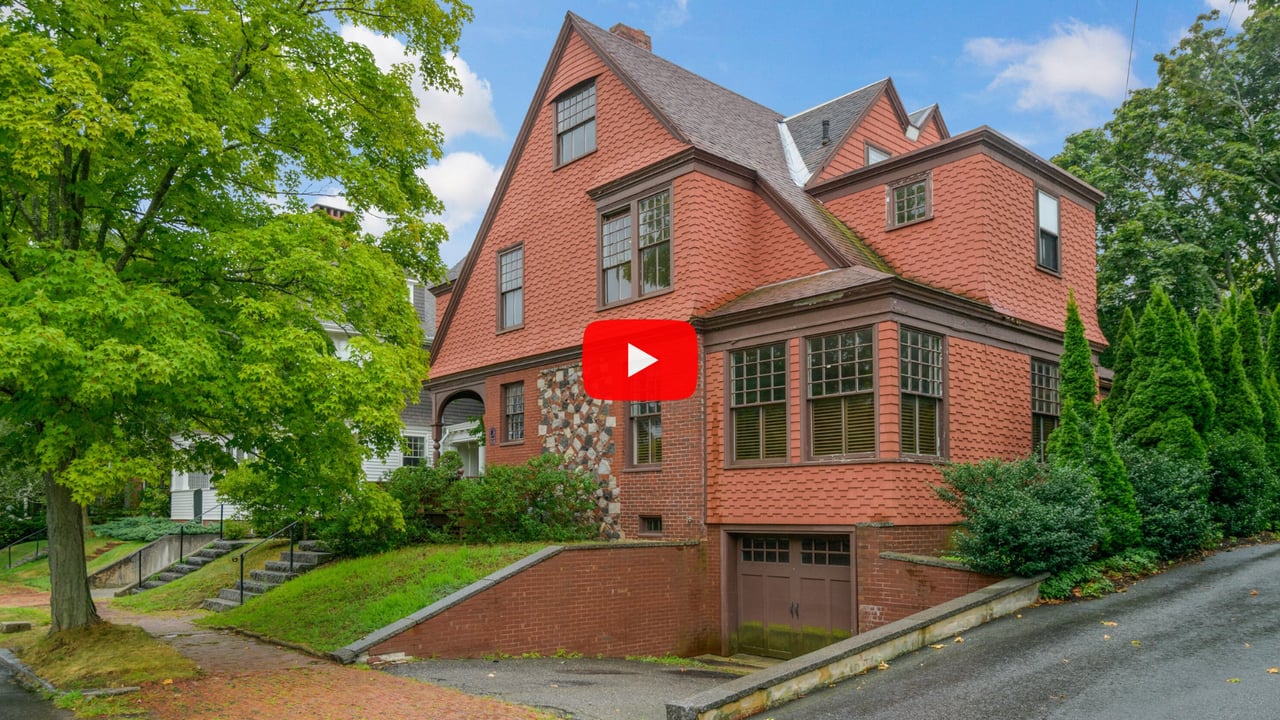
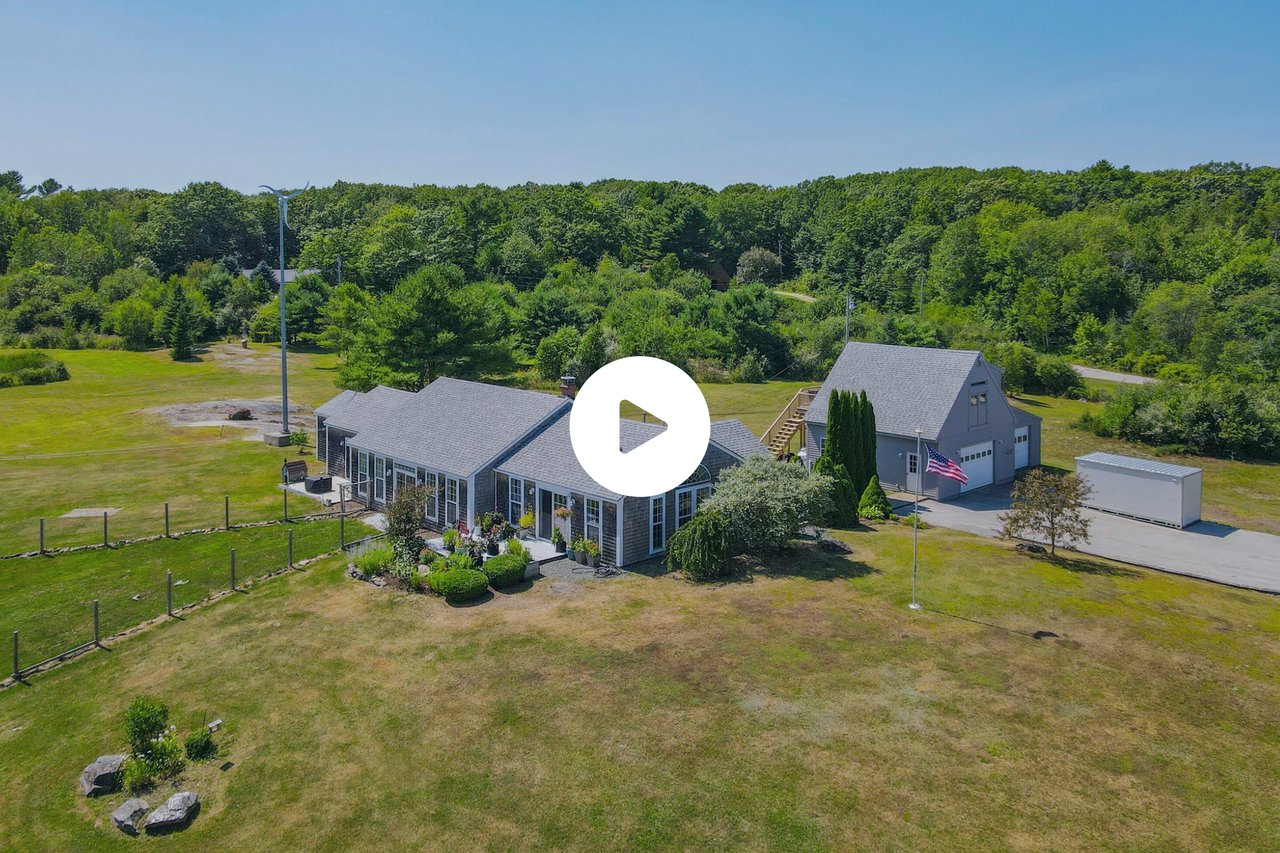
Legacy Properties Sotheby's International Realty represented the Main Street sale, a modest year-round home a short walk from downtown. The Forest Avenue home closed six days earlier at almost exactly double the price, on nearly identical square footage. Put those two homes in the same three-month pool and you can see how a median gets pulled in opposite directions depending on which one happens to close first, or which one a shorter reporting window happens to catch. The reported figures cover three months, not just May, but May's closings show precisely the kind of dispersion that produces a swing this large. Add or remove a single high-dollar waterfront closing on Clark Point Road or in Manset, and the range widens further still.
A Town Built for This Kind of Volatility
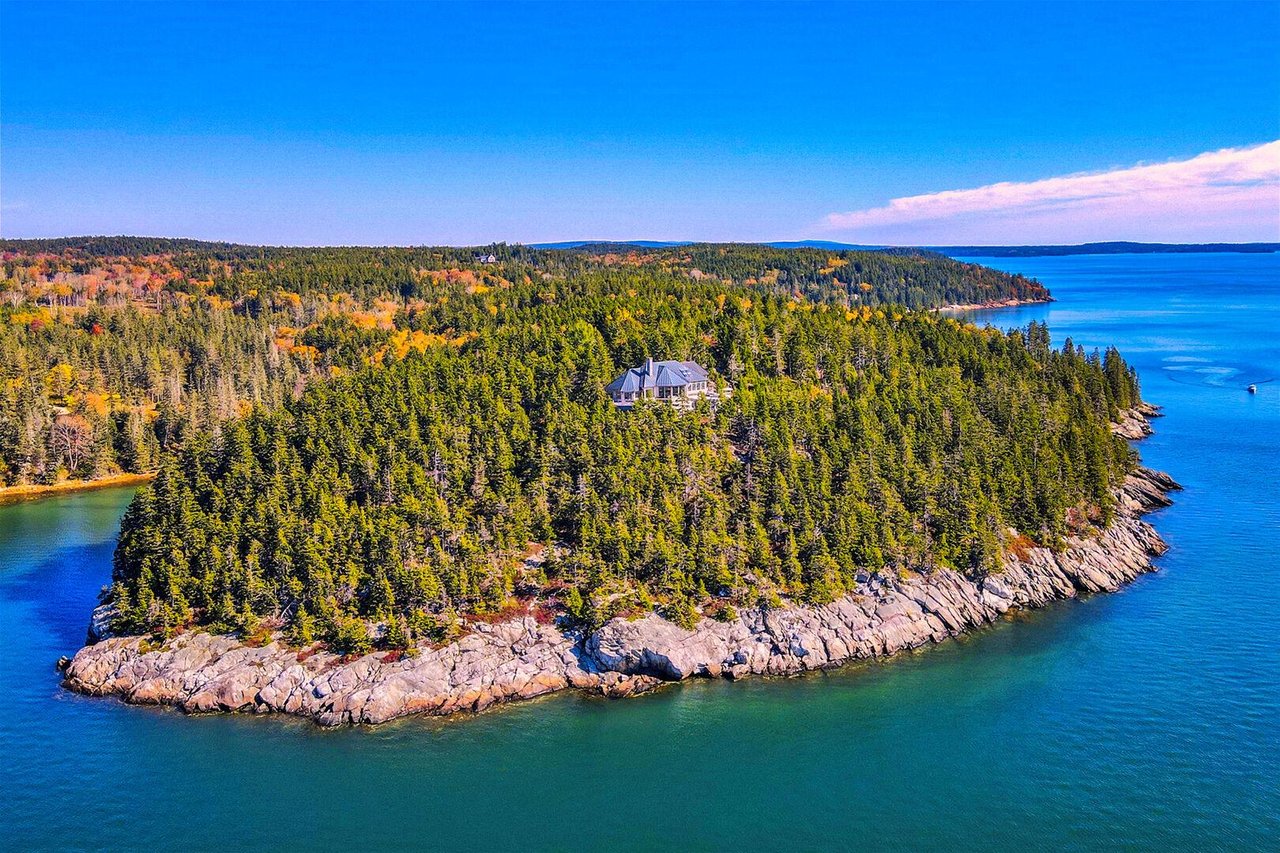
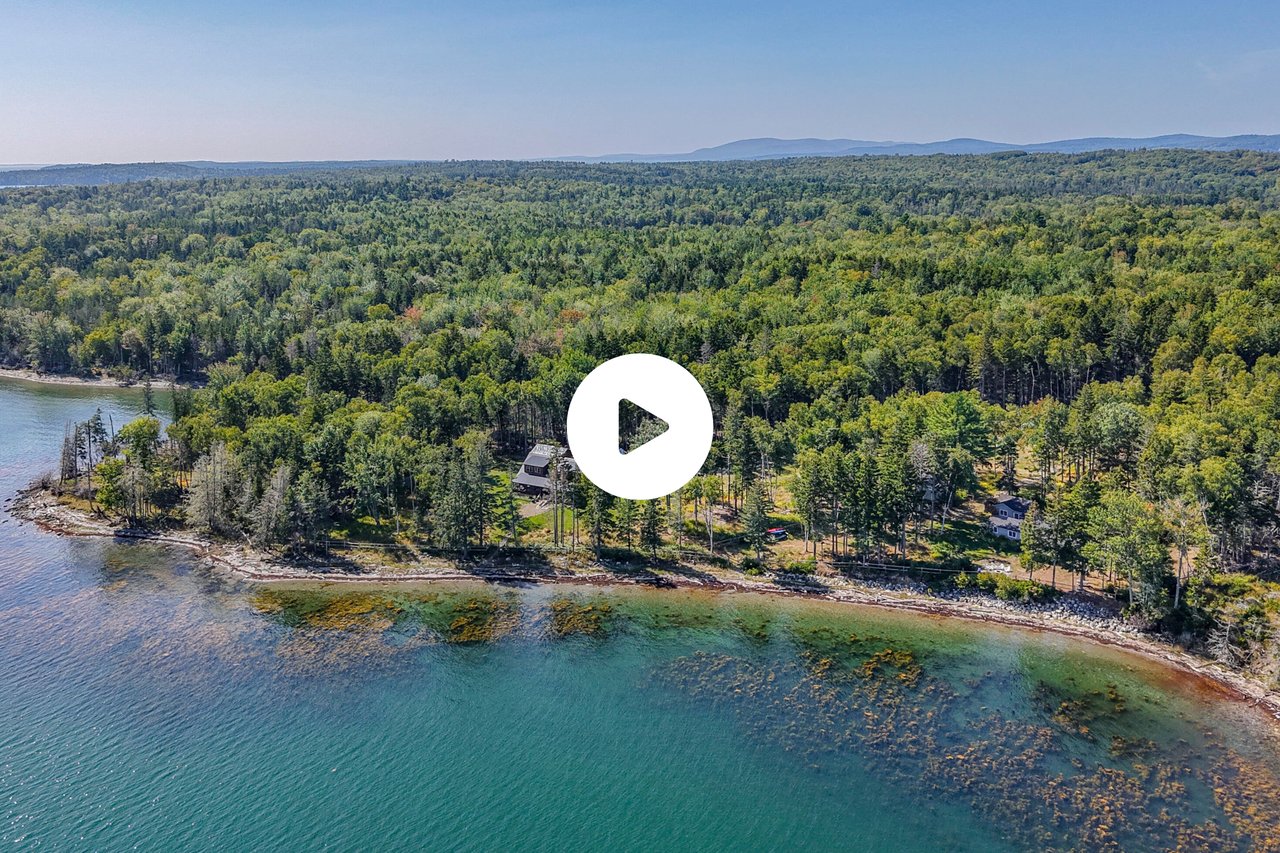
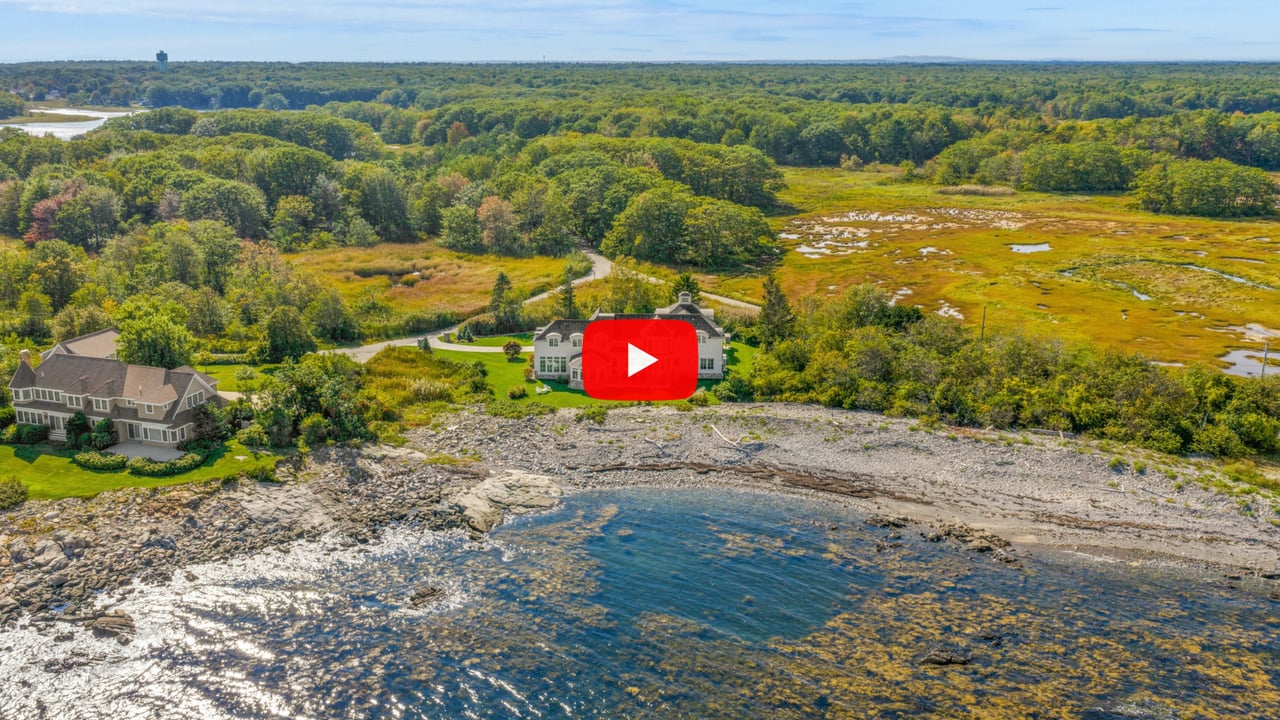
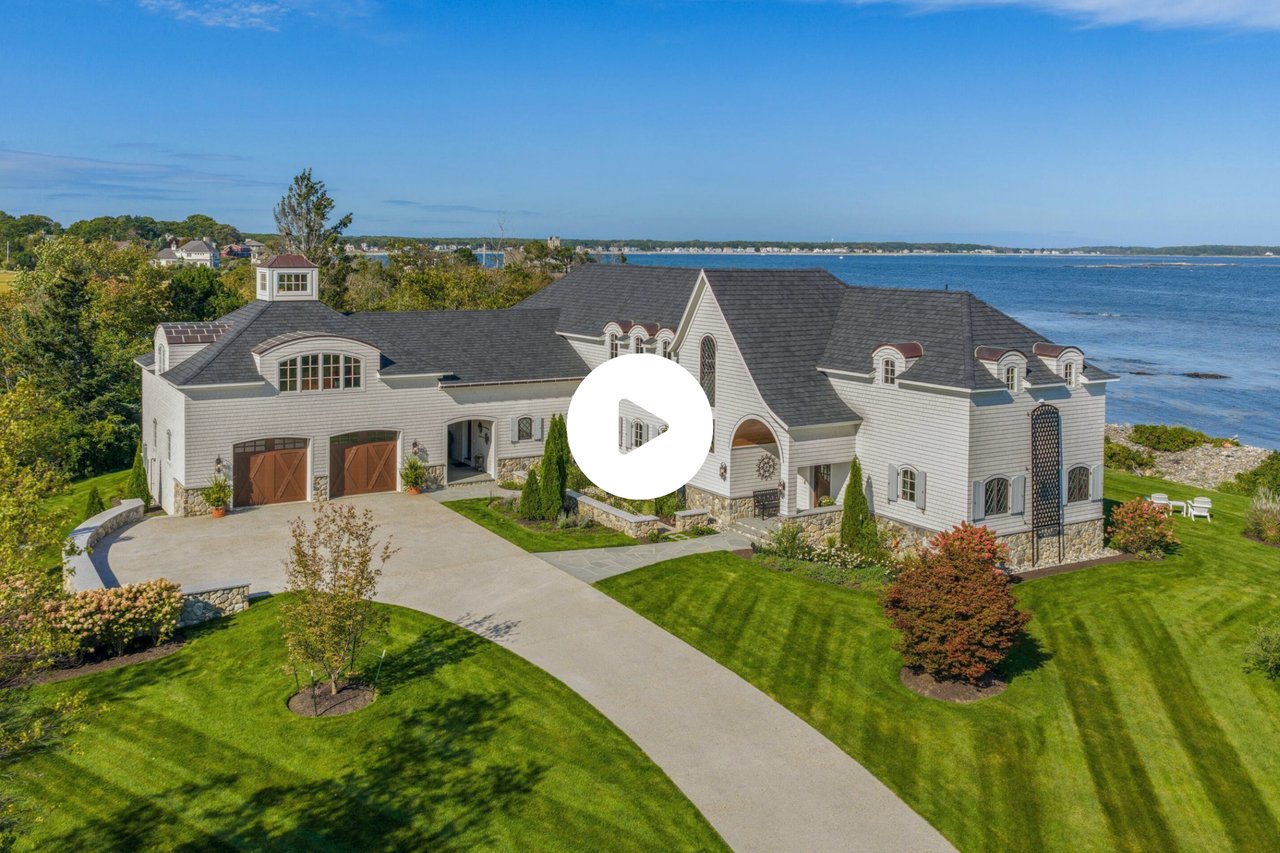
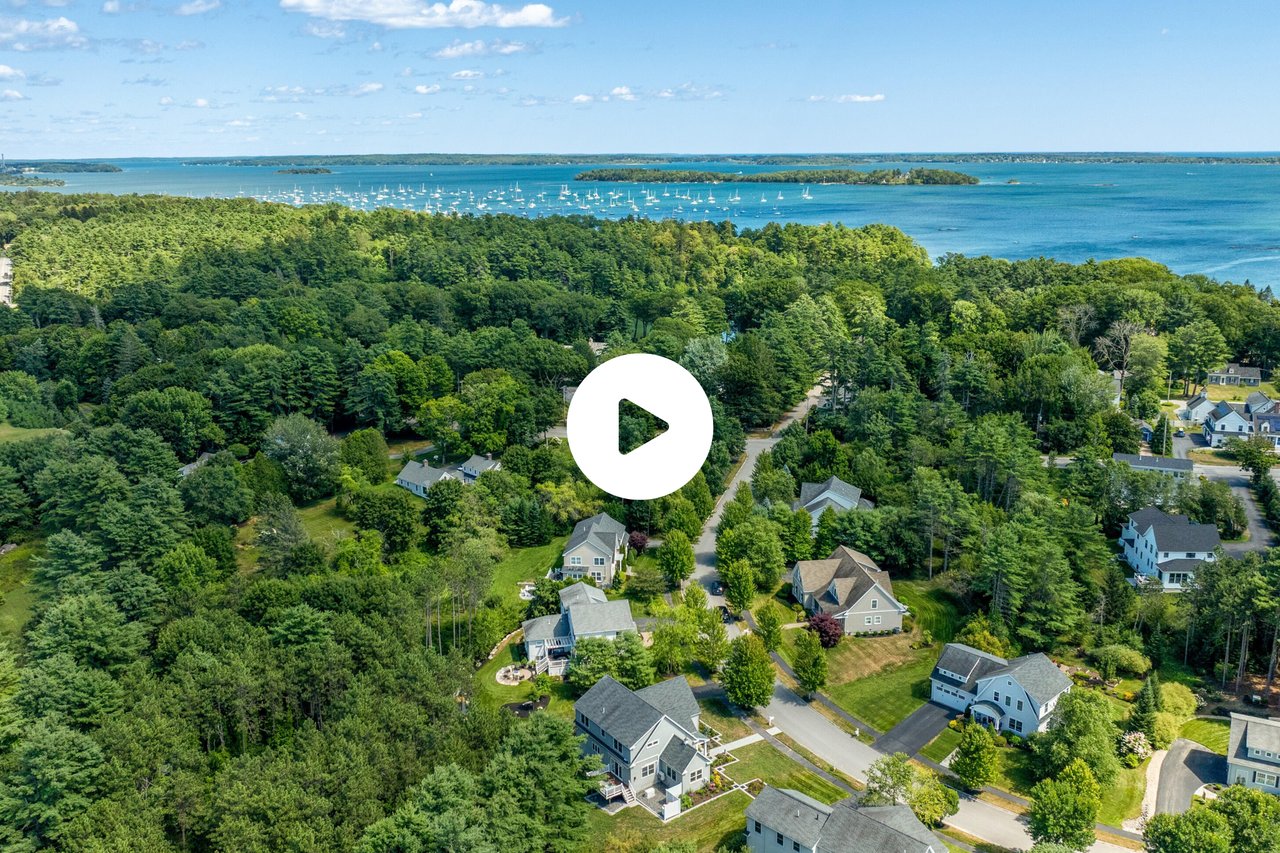
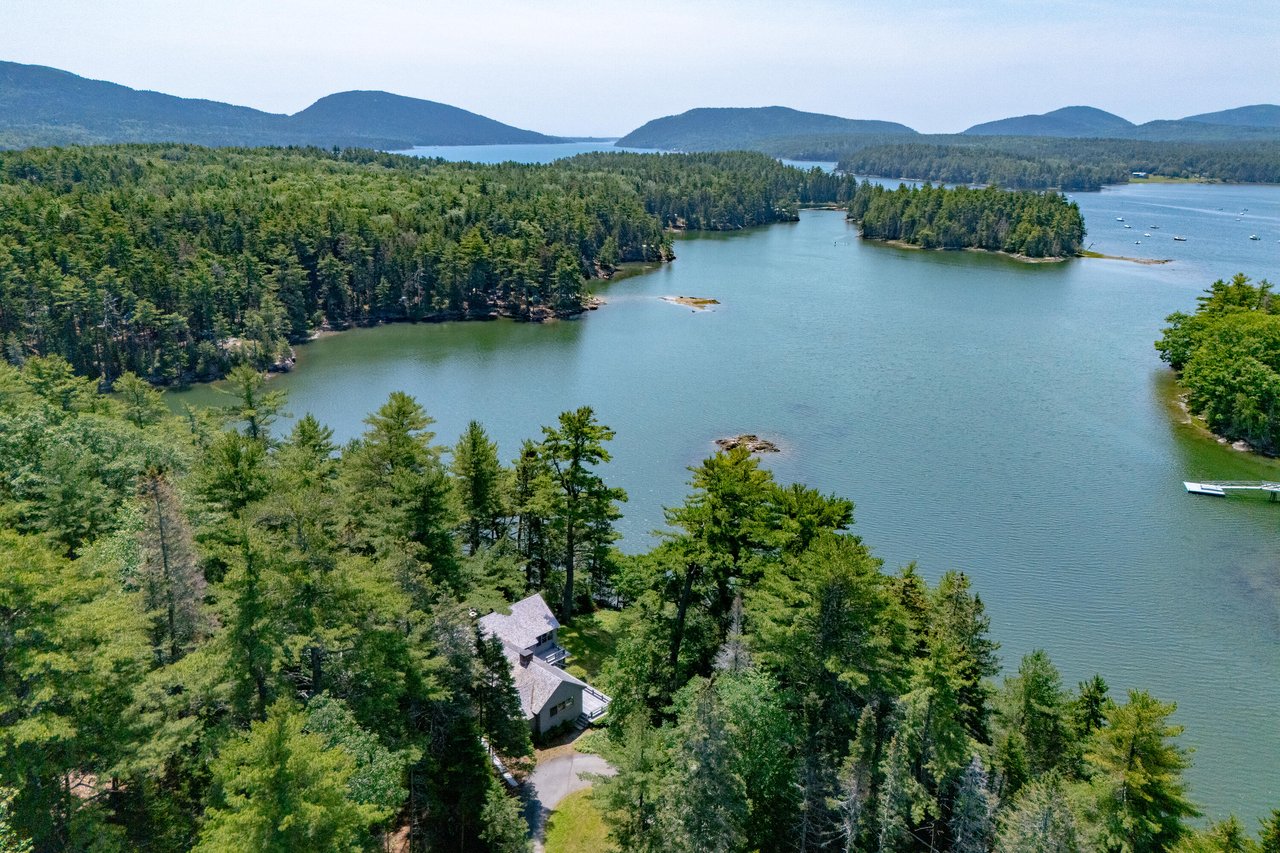
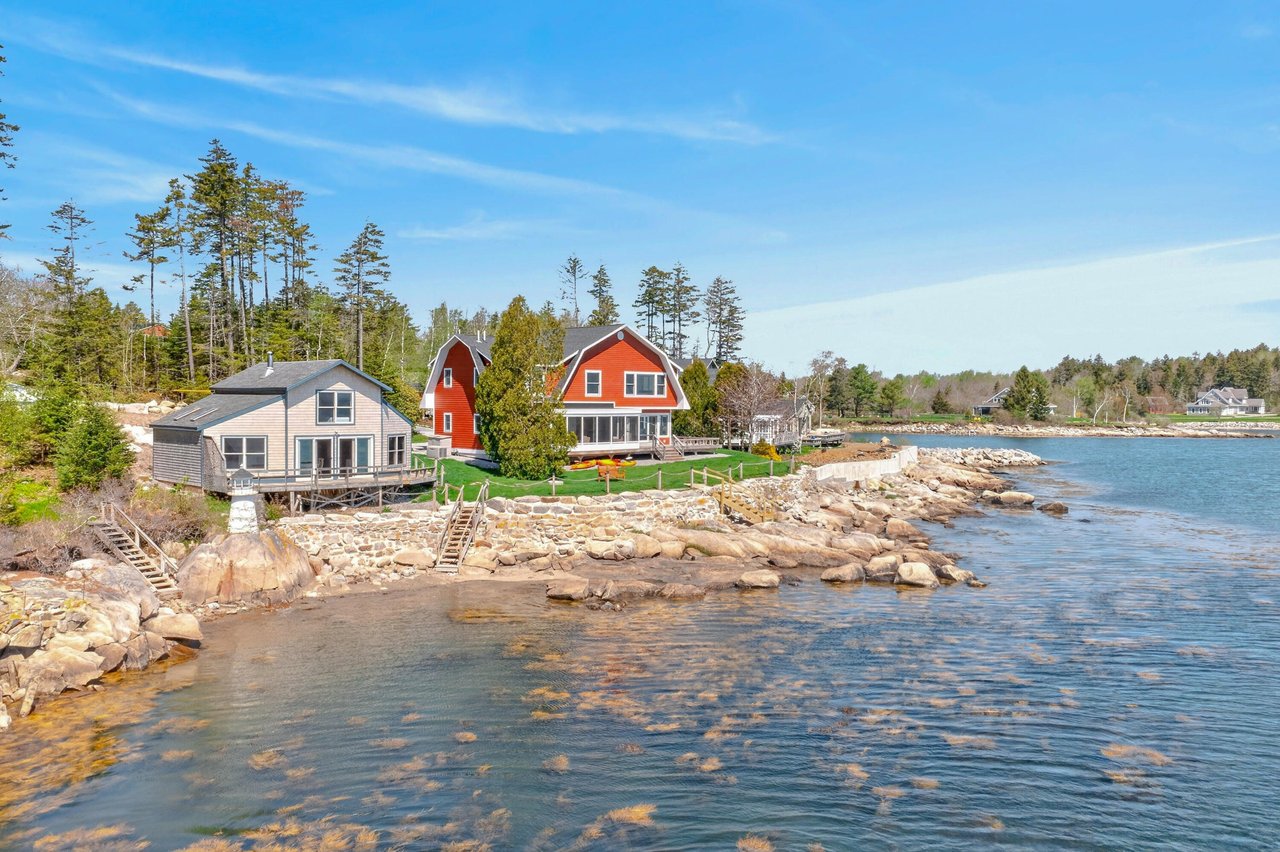
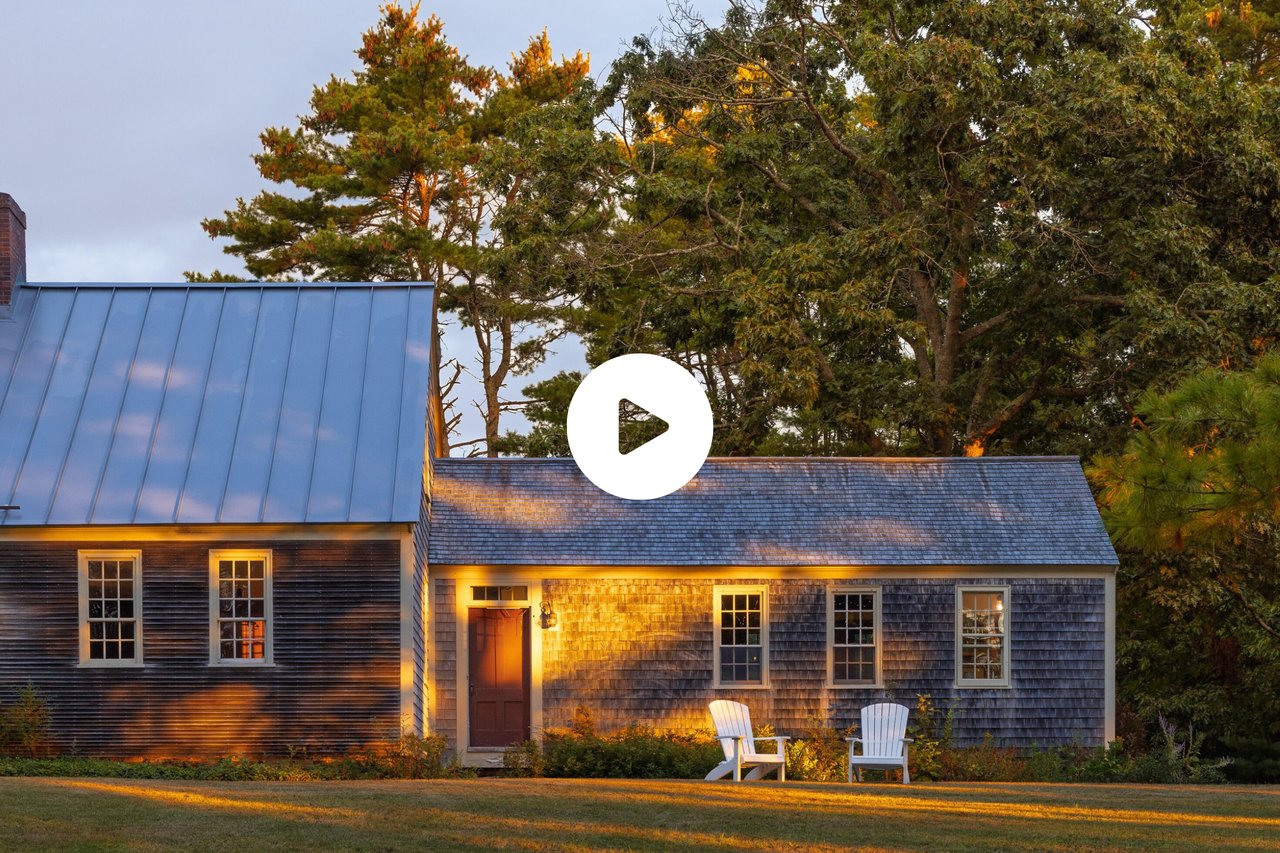
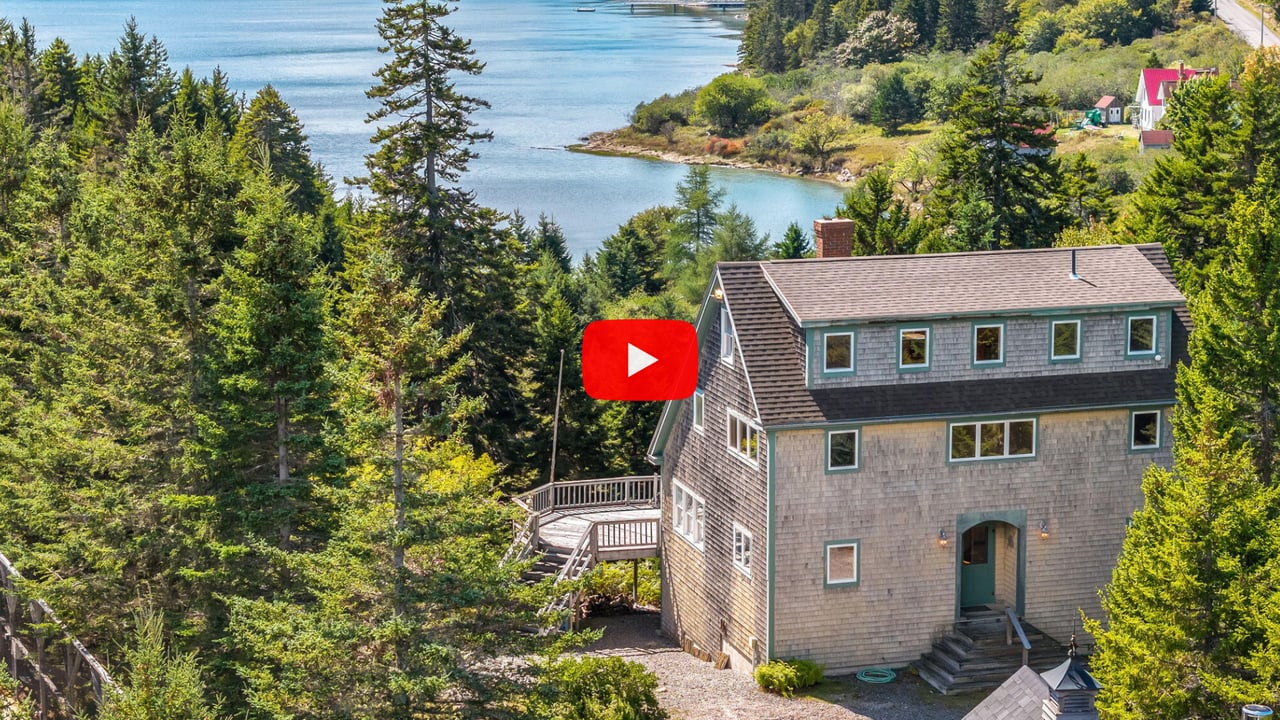
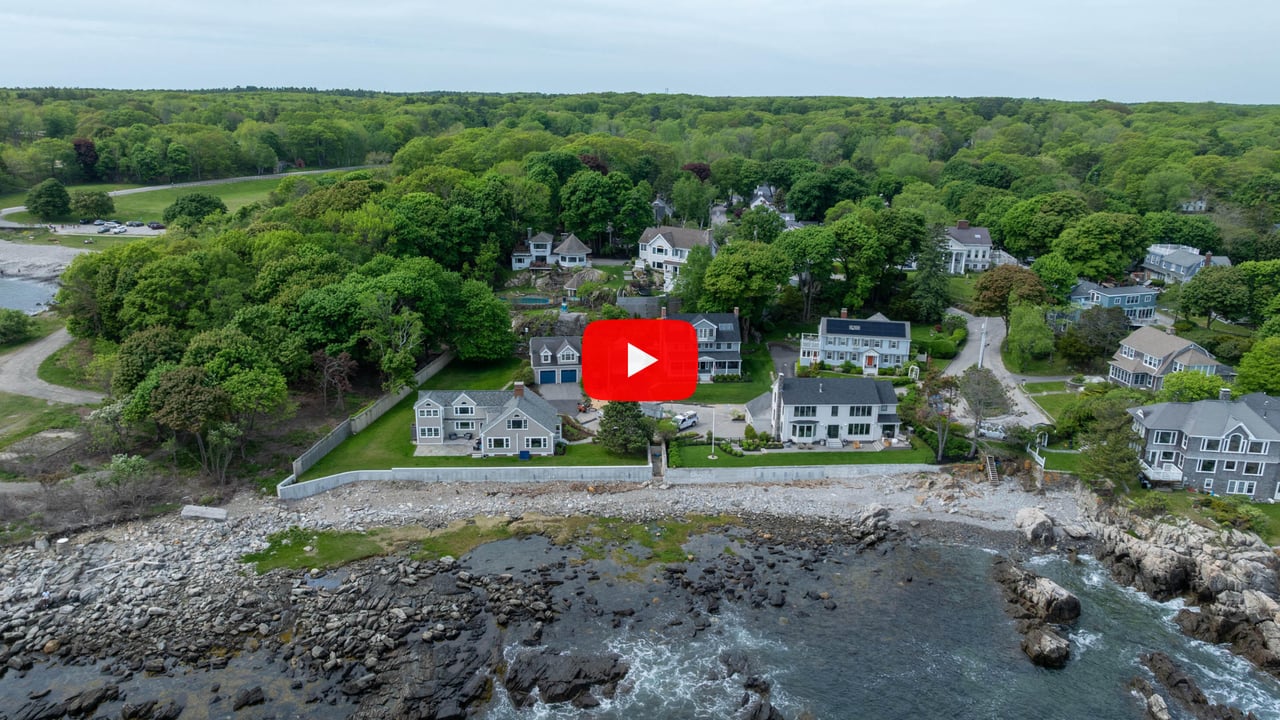
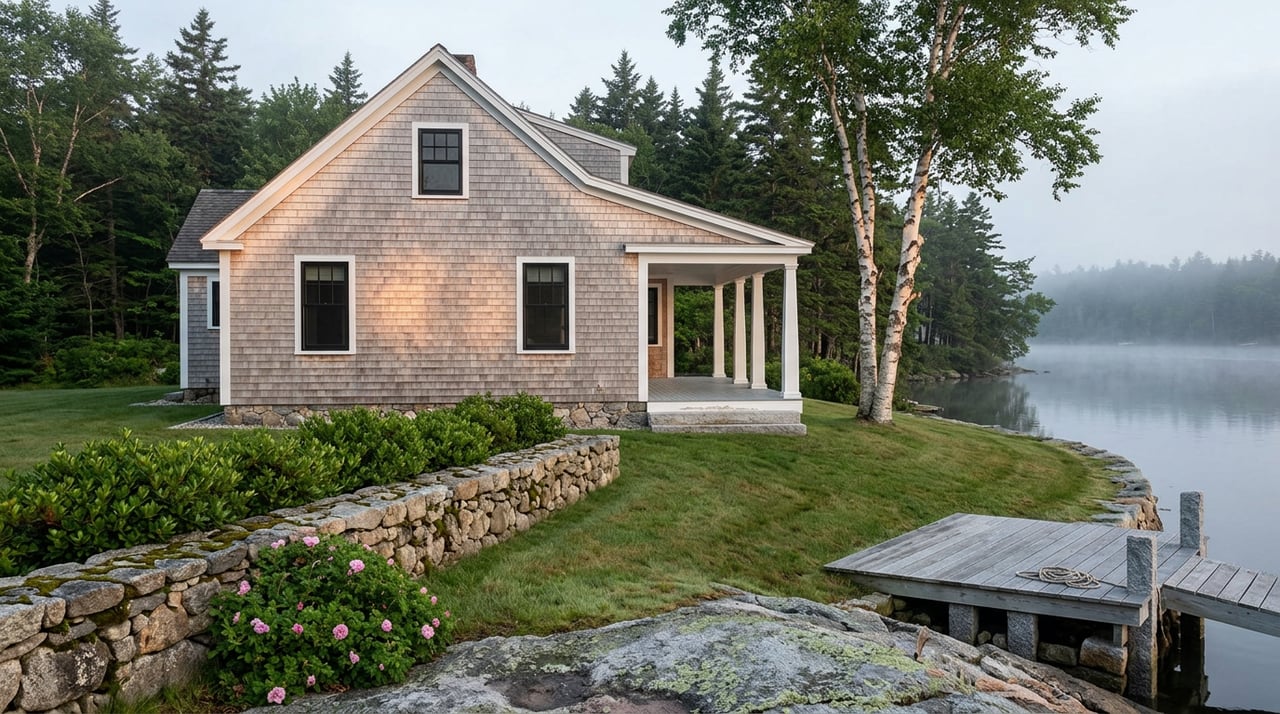
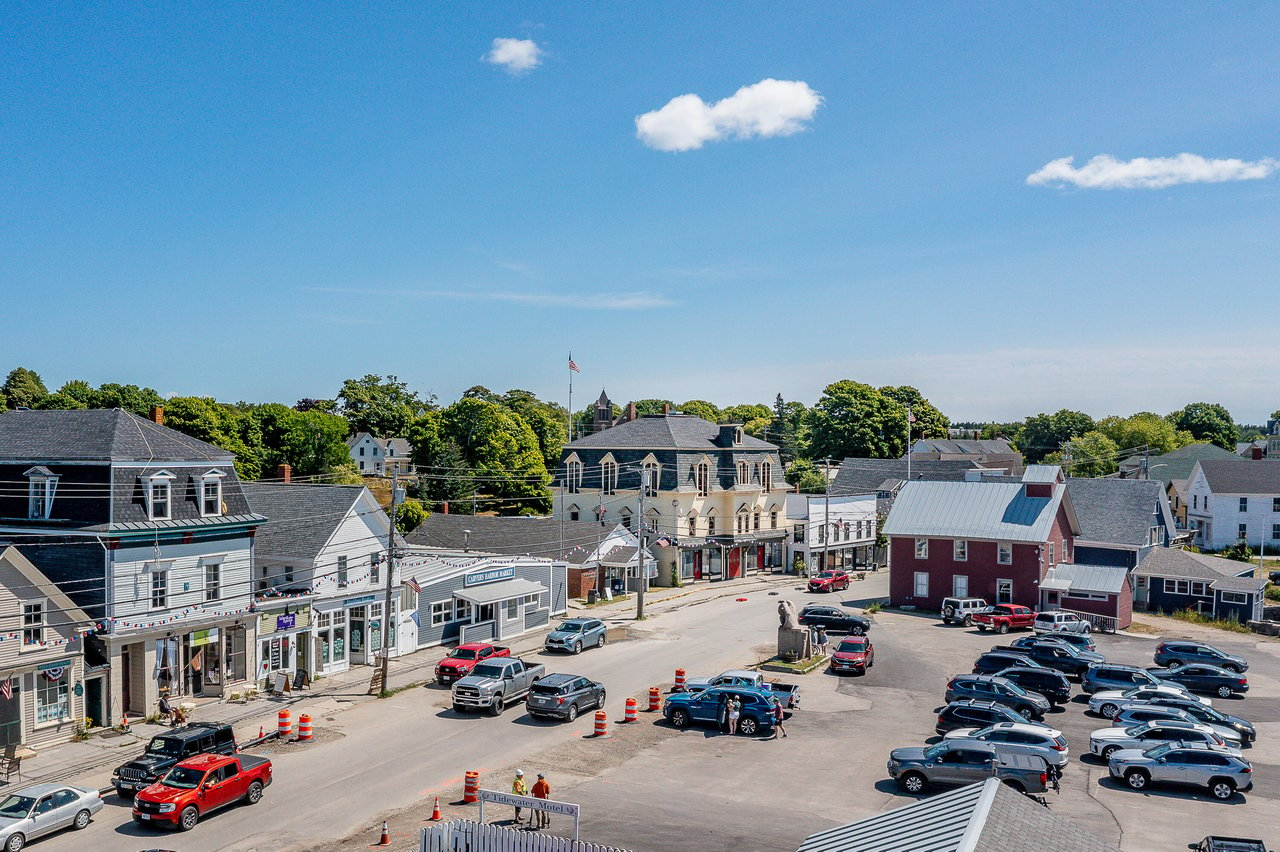
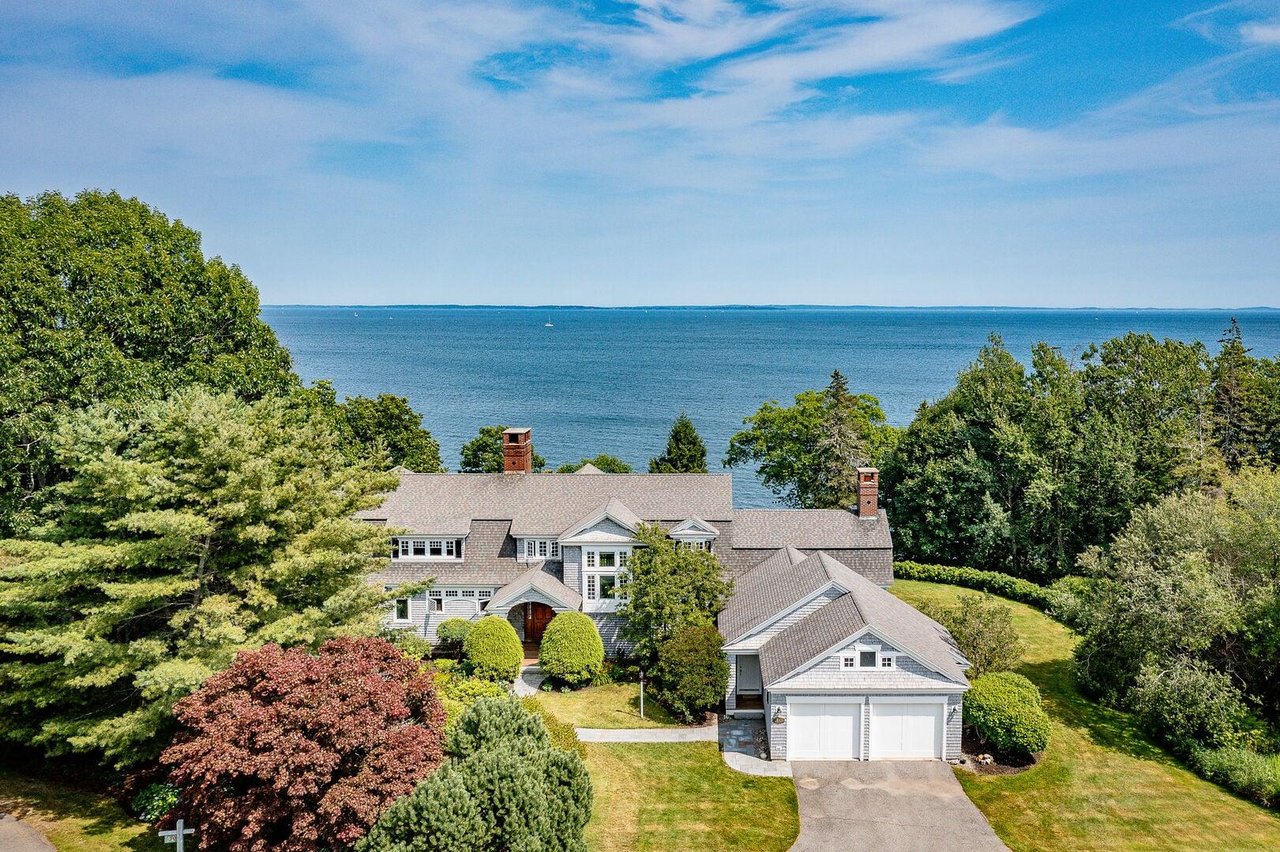
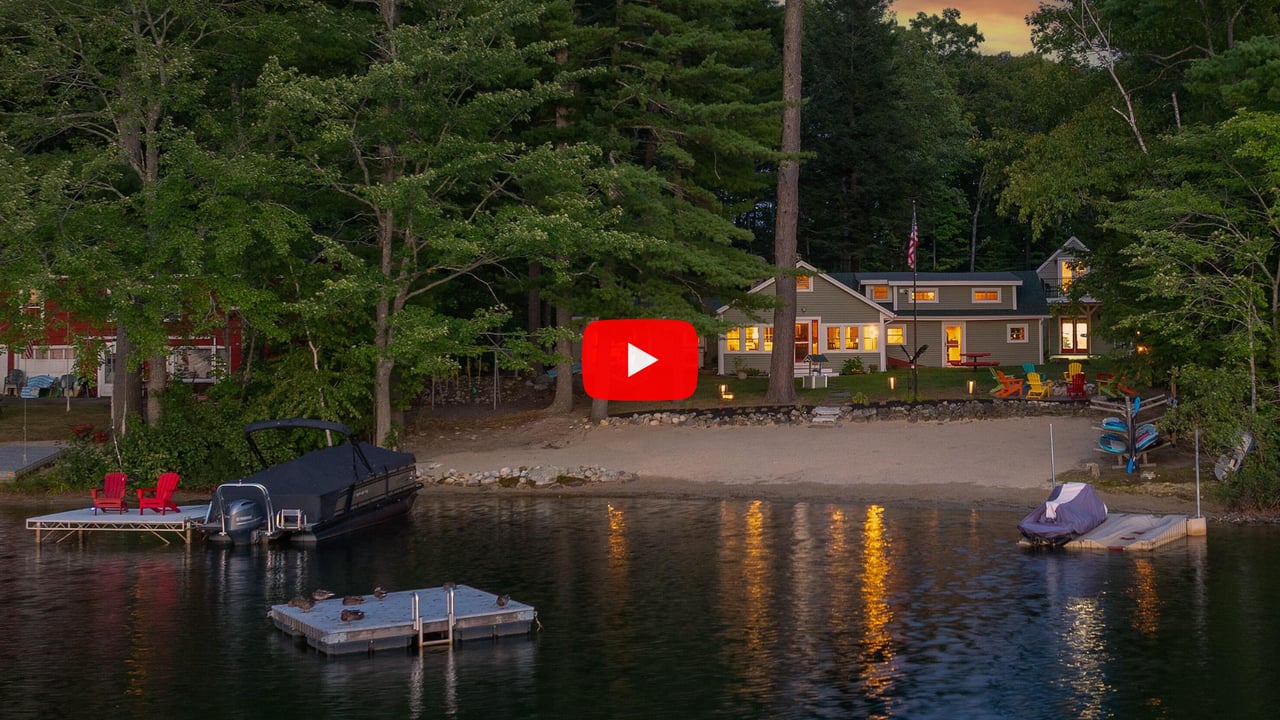
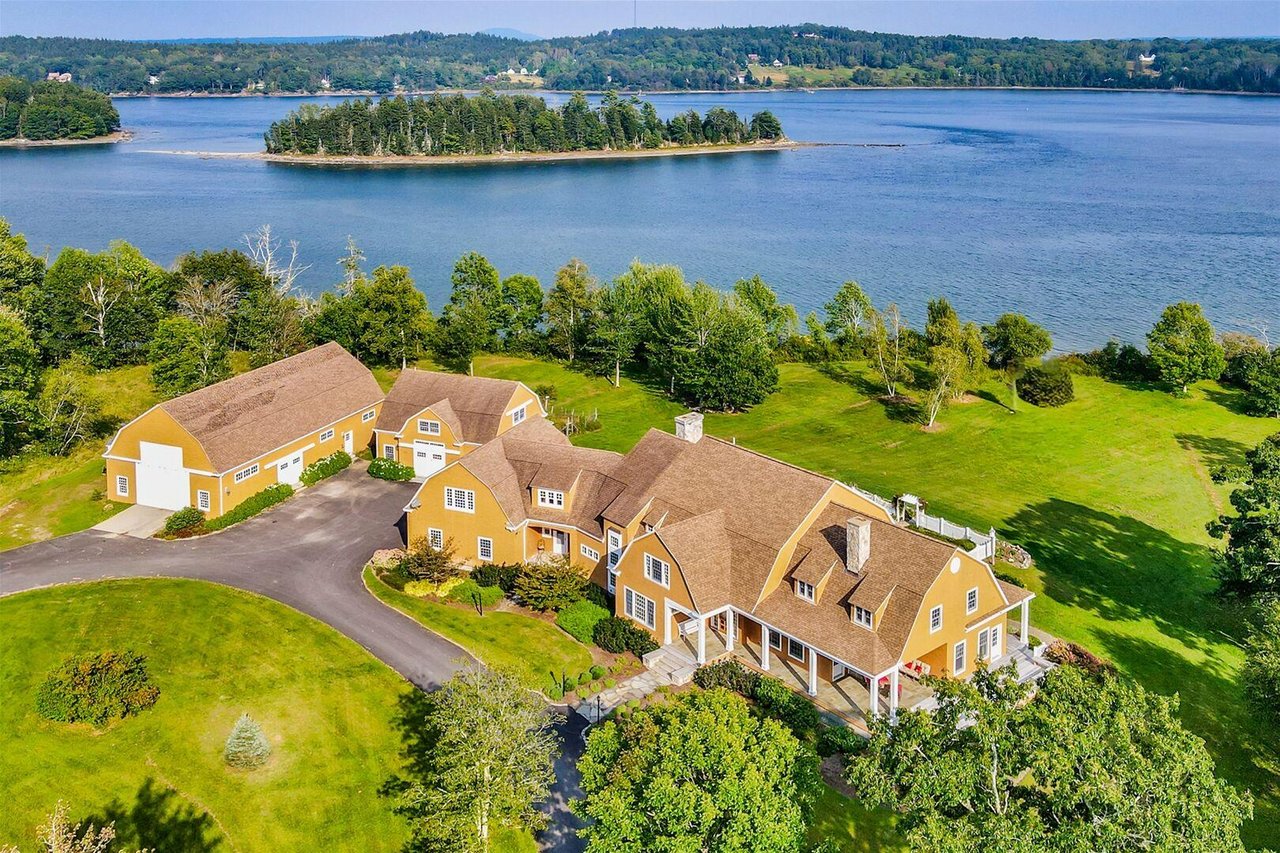
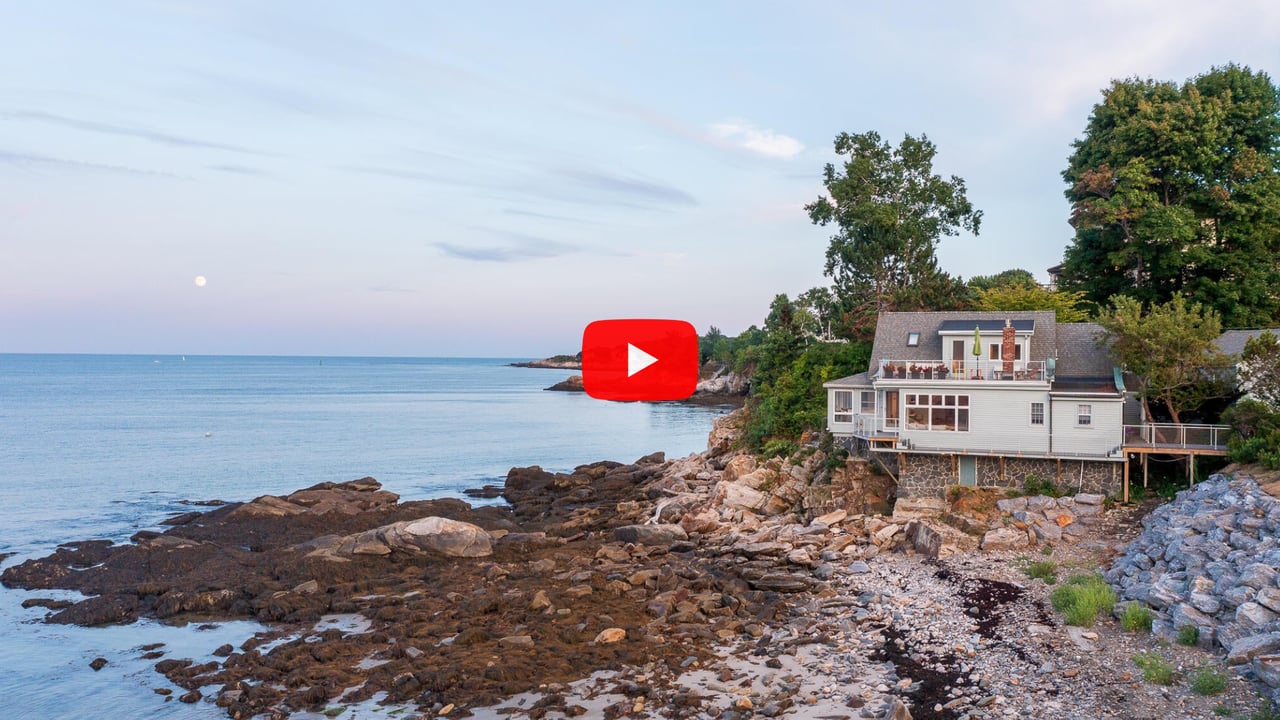
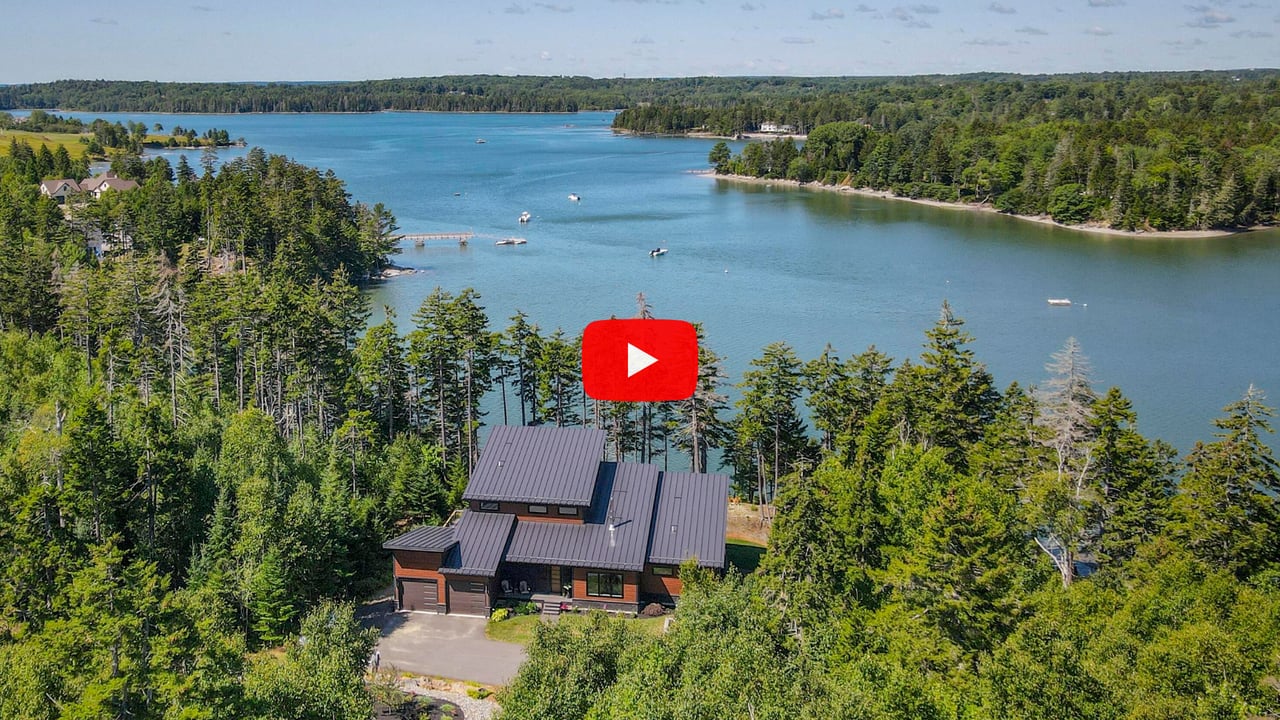
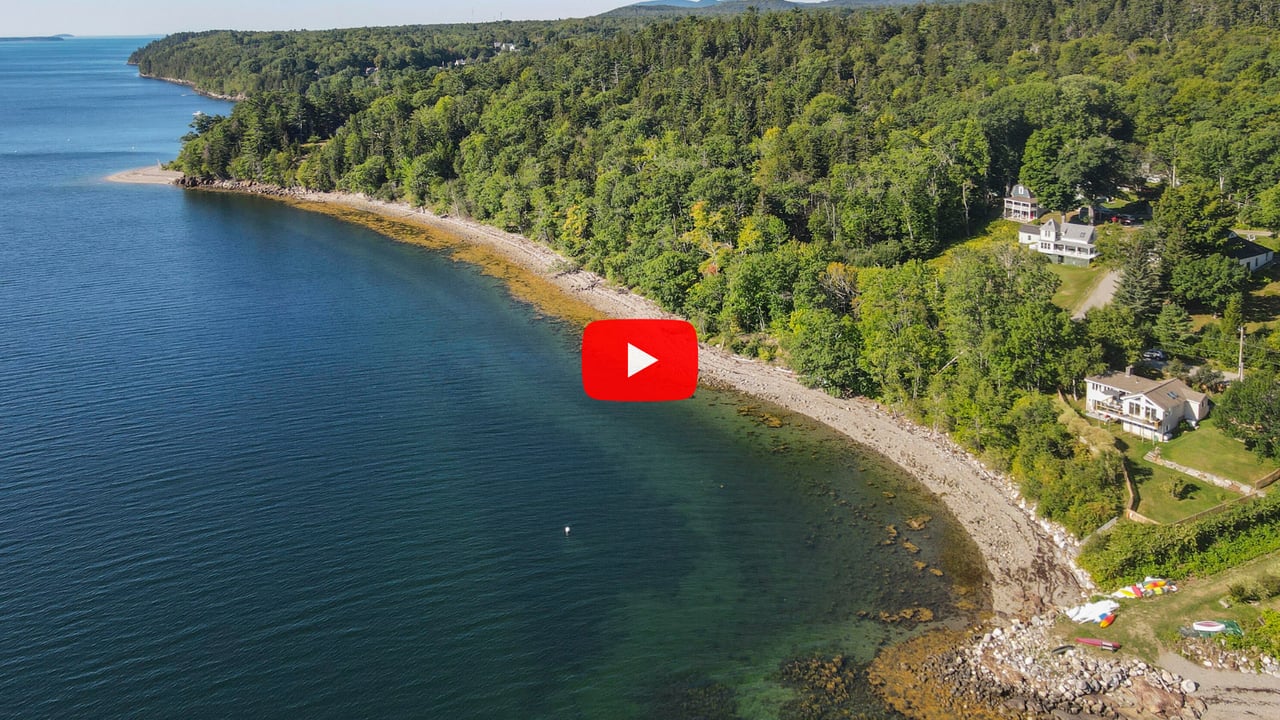
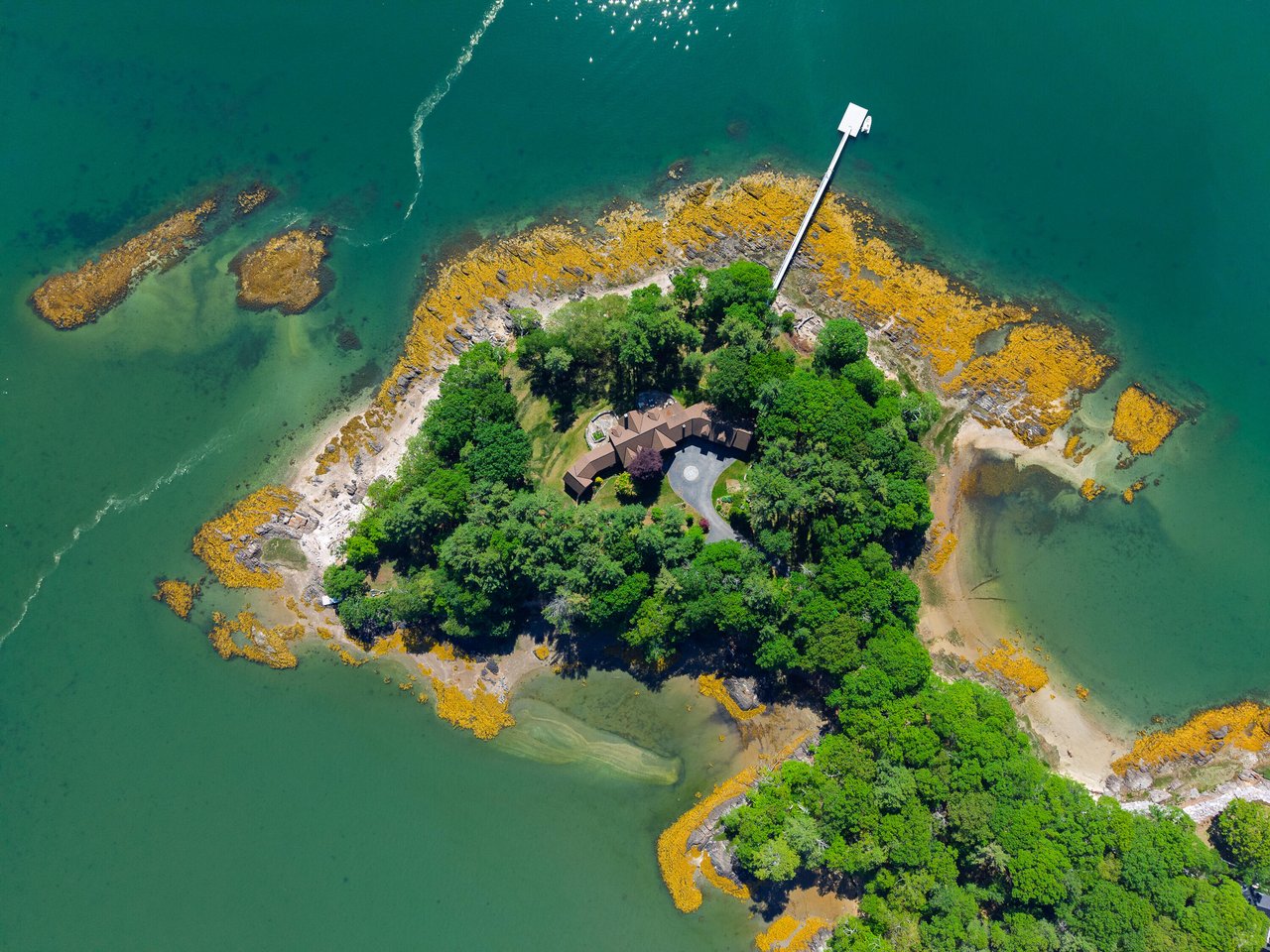
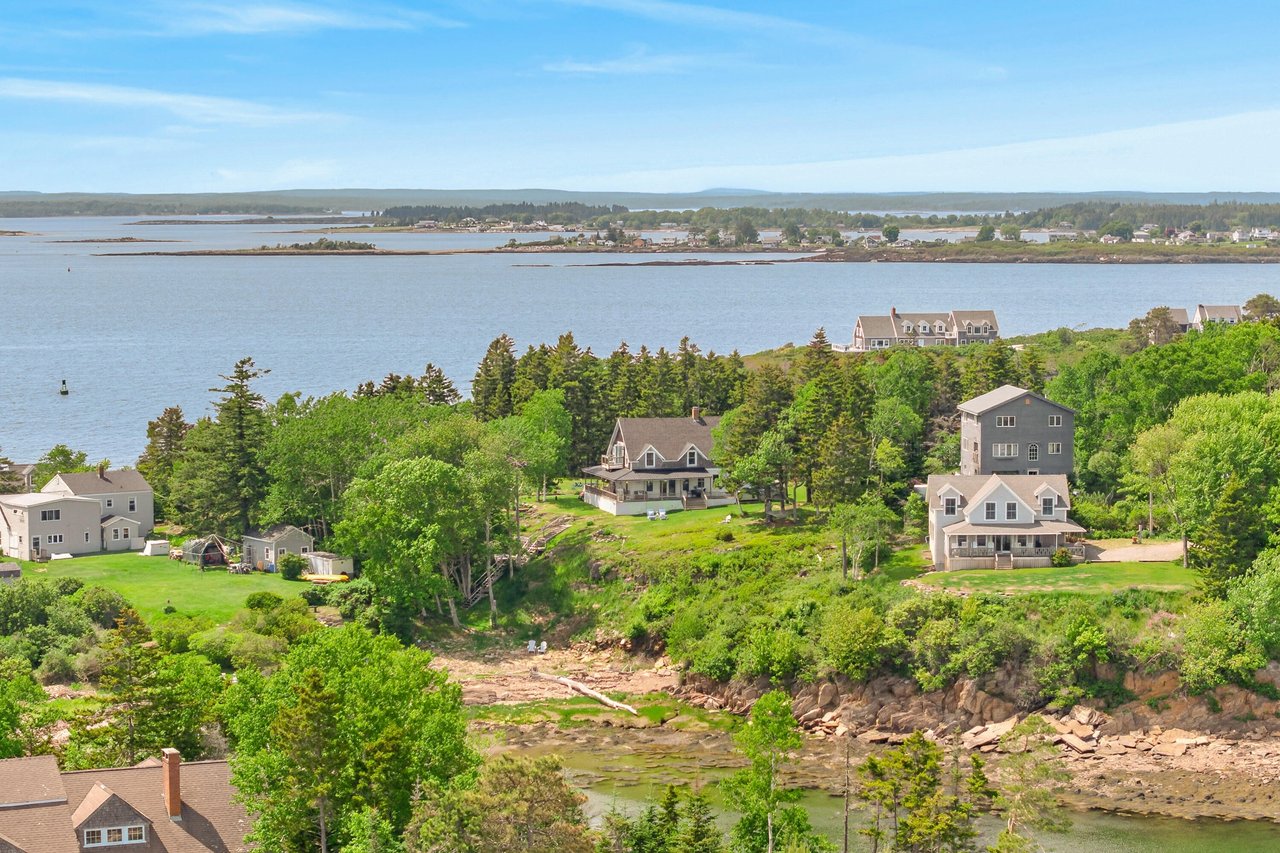
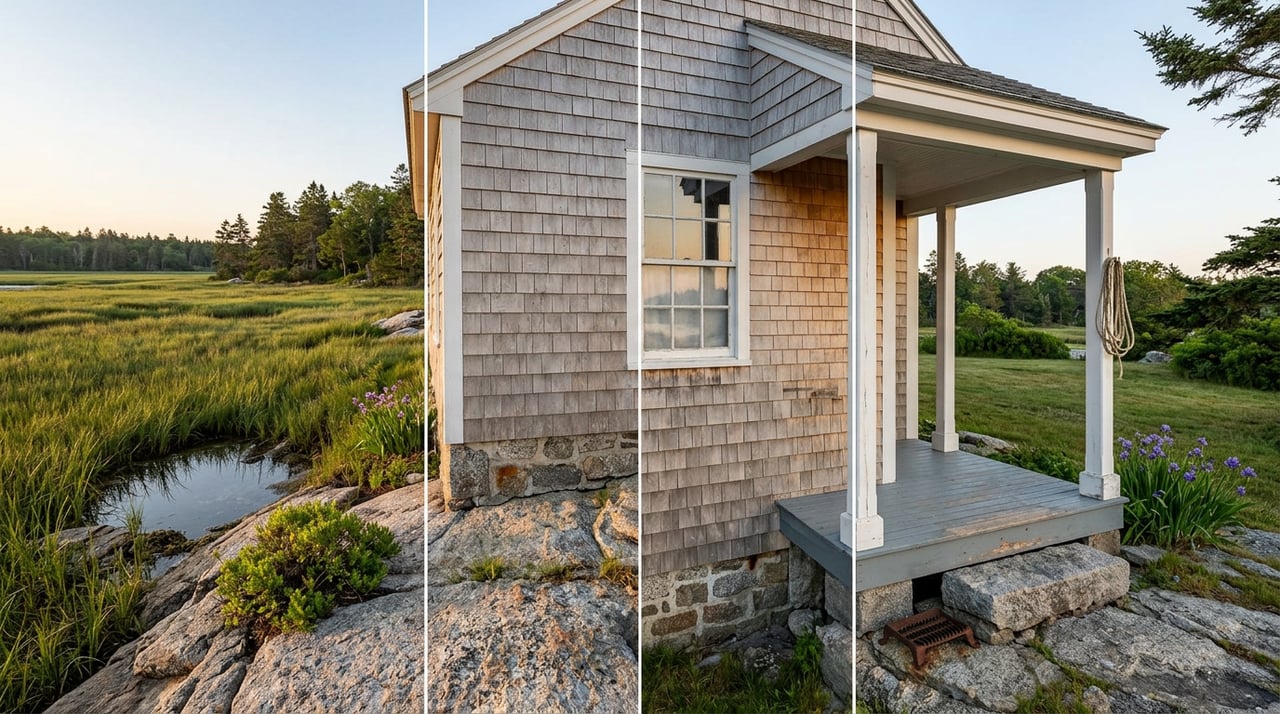
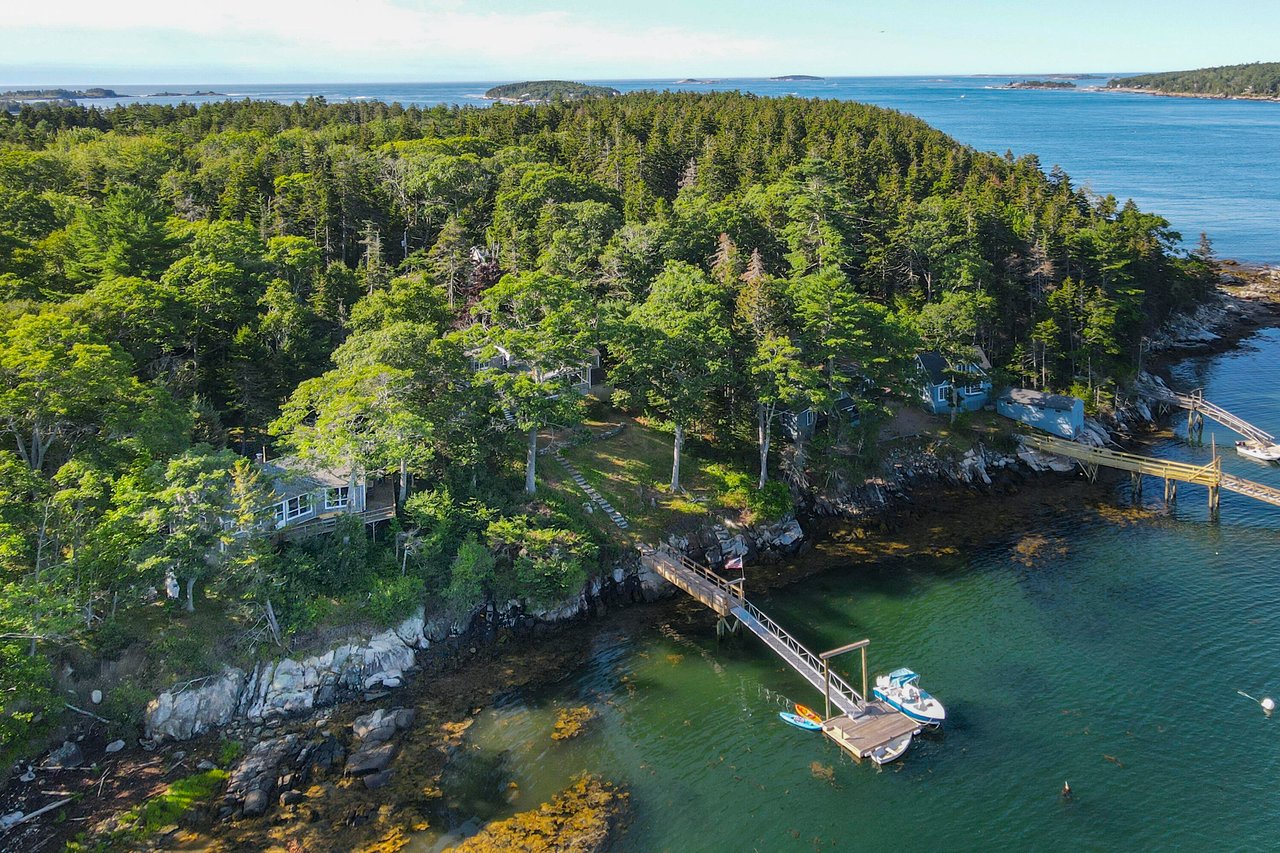
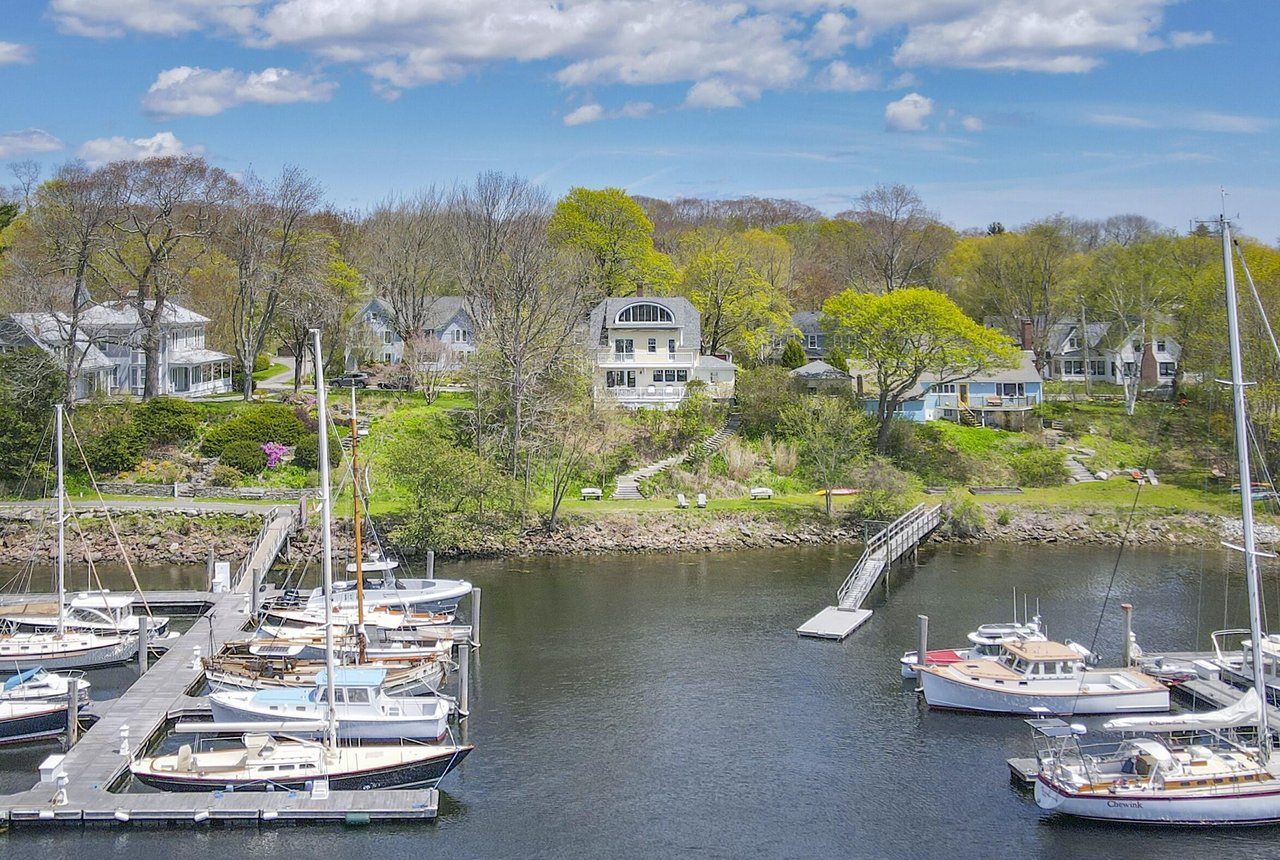
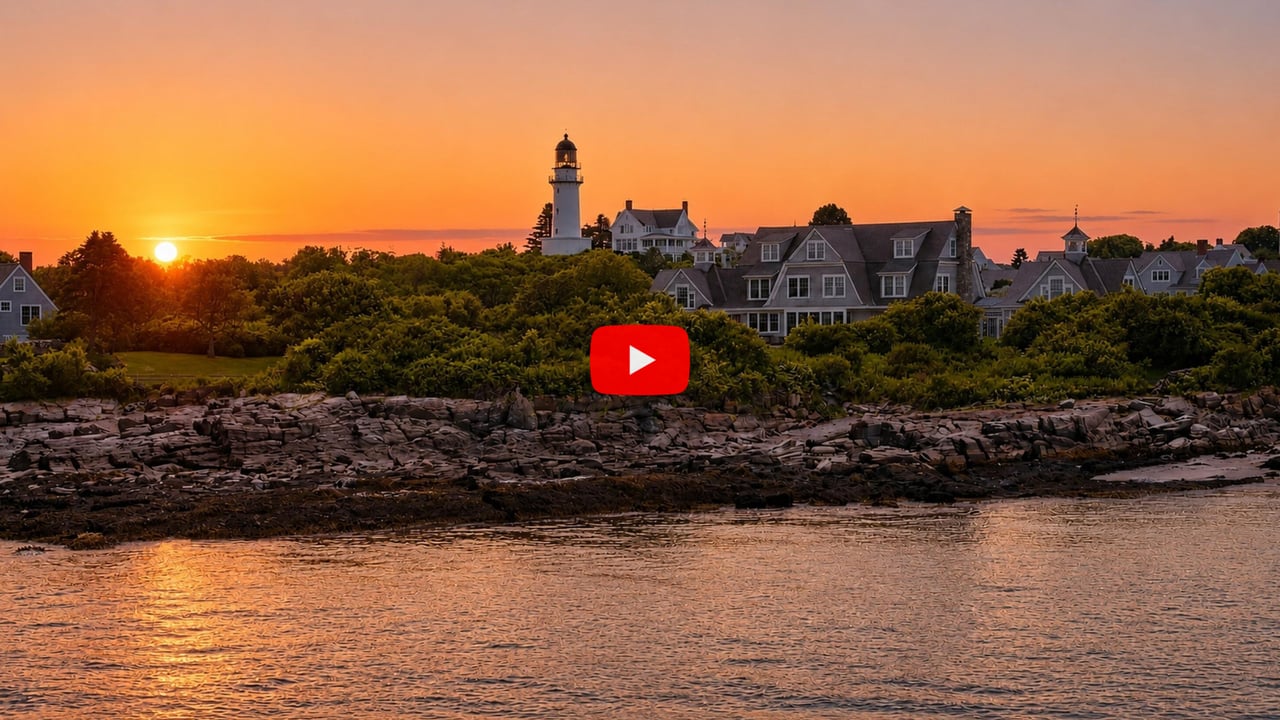
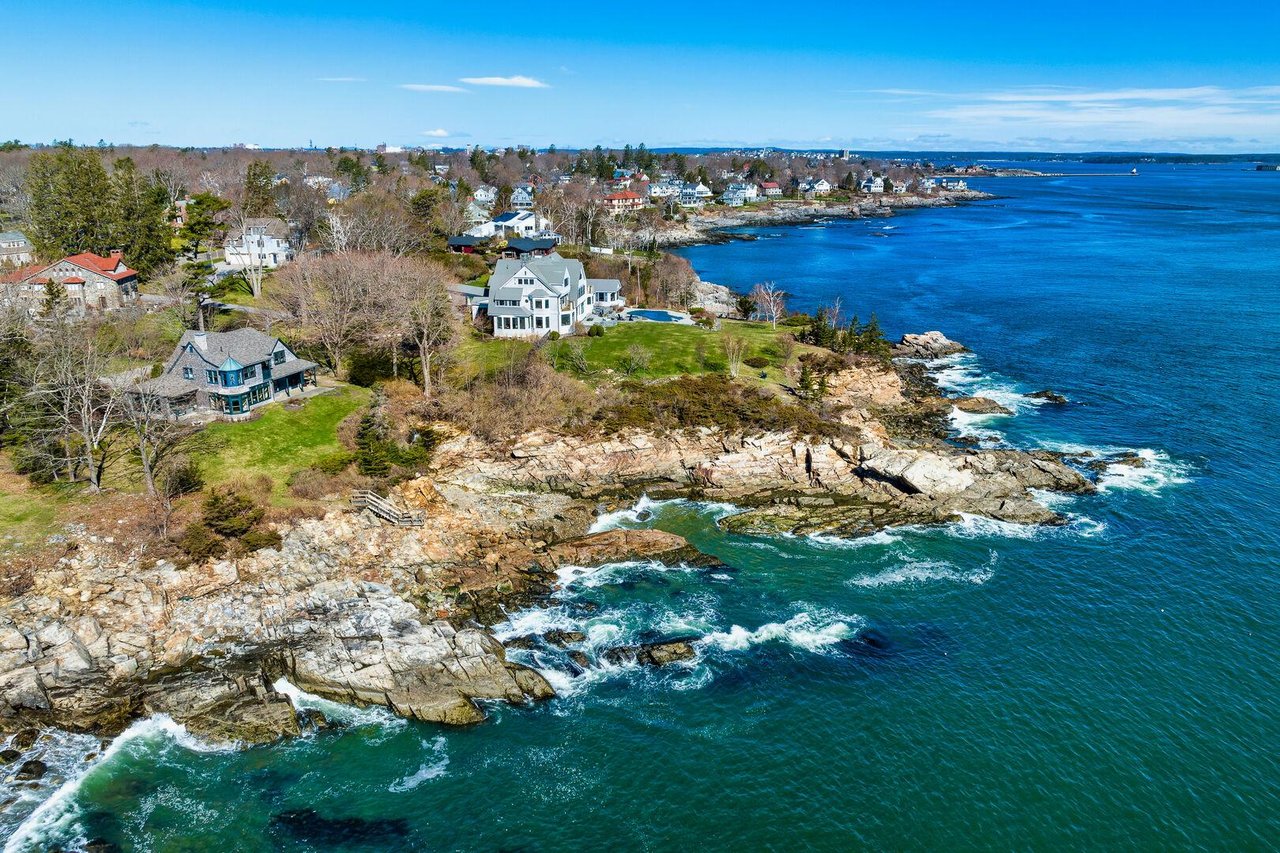
Southwest Harbor is not tract housing with a narrow price band. It is a working harbor town, population around 1,756 including the villages of Manset and Seawall, where a modest home a few blocks from the hardware store and library can sit in the same market data set as a shingle-style cottage on Somes Sound with deeded dock access. Down East magazine describes the town as the entryway to Mount Desert Island's "Quietside," the quieter, working-waterfront half of the island across Somes Sound from Northeast Harbor and a short drive from Bar Harbor's tourist traffic. Longtime owners on that side of the island have their own shorthand for it too, describing themselves as living on the Quietside as distinct from the busier east side.
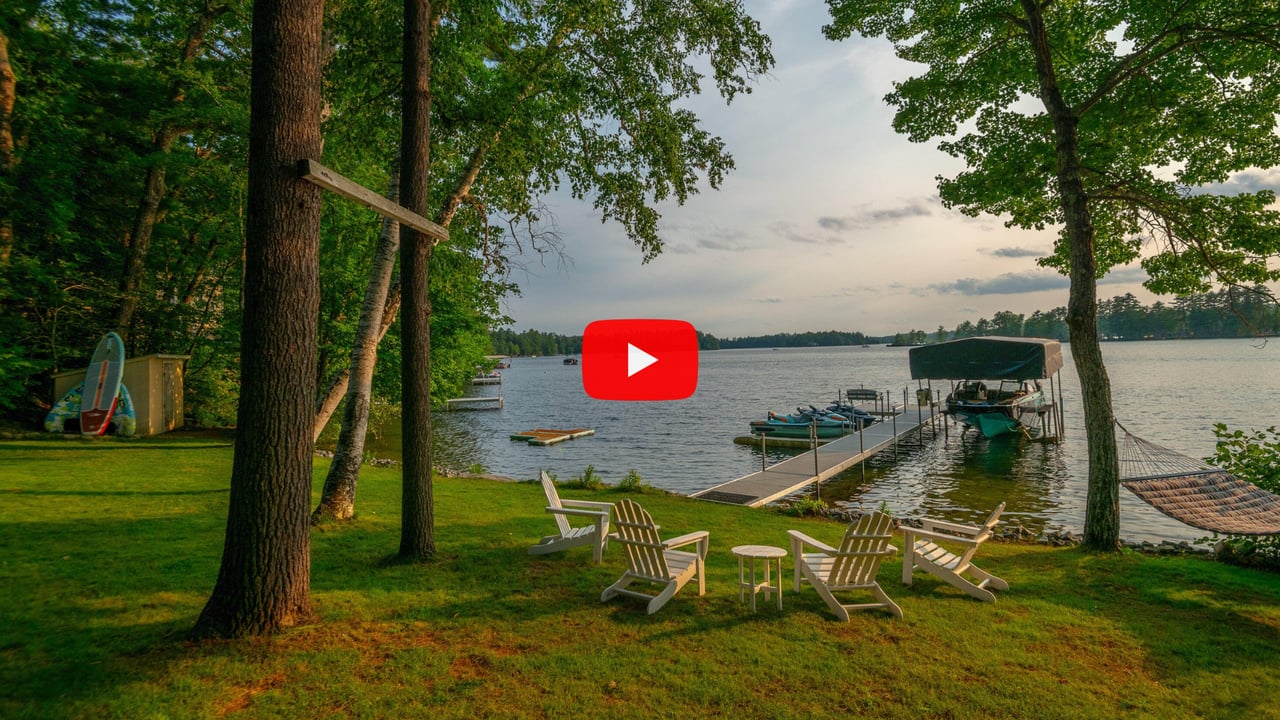
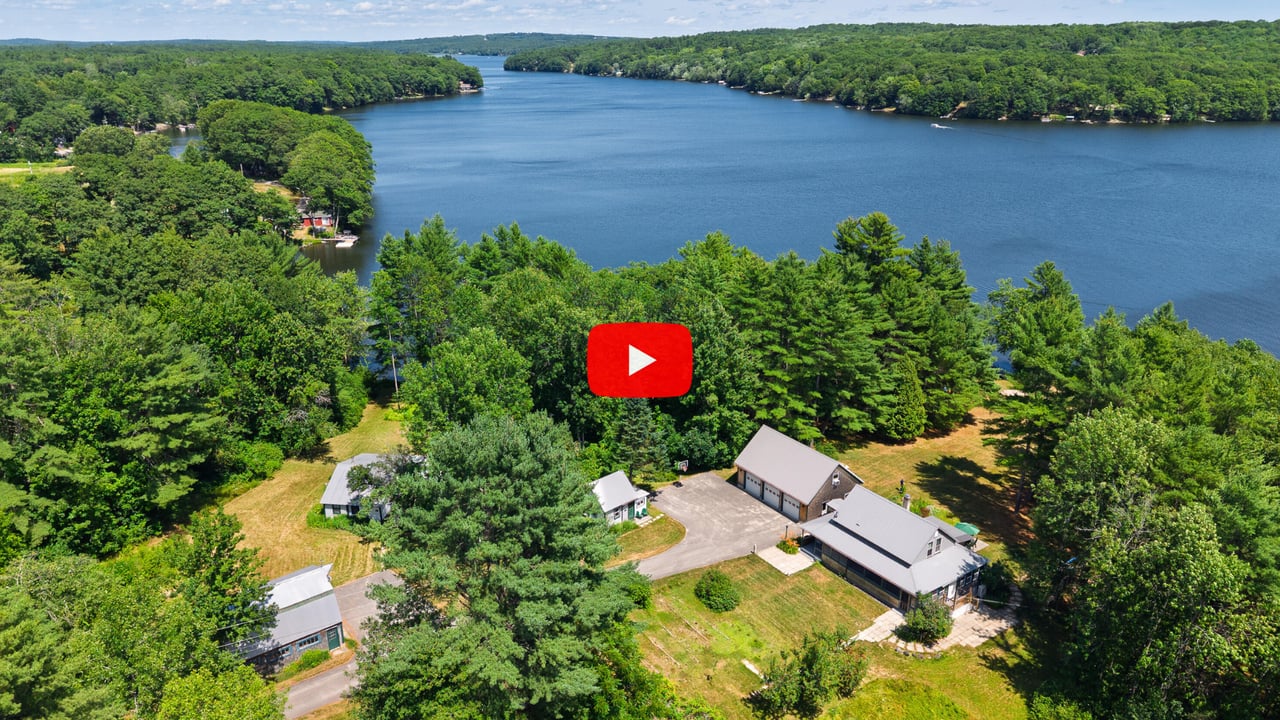
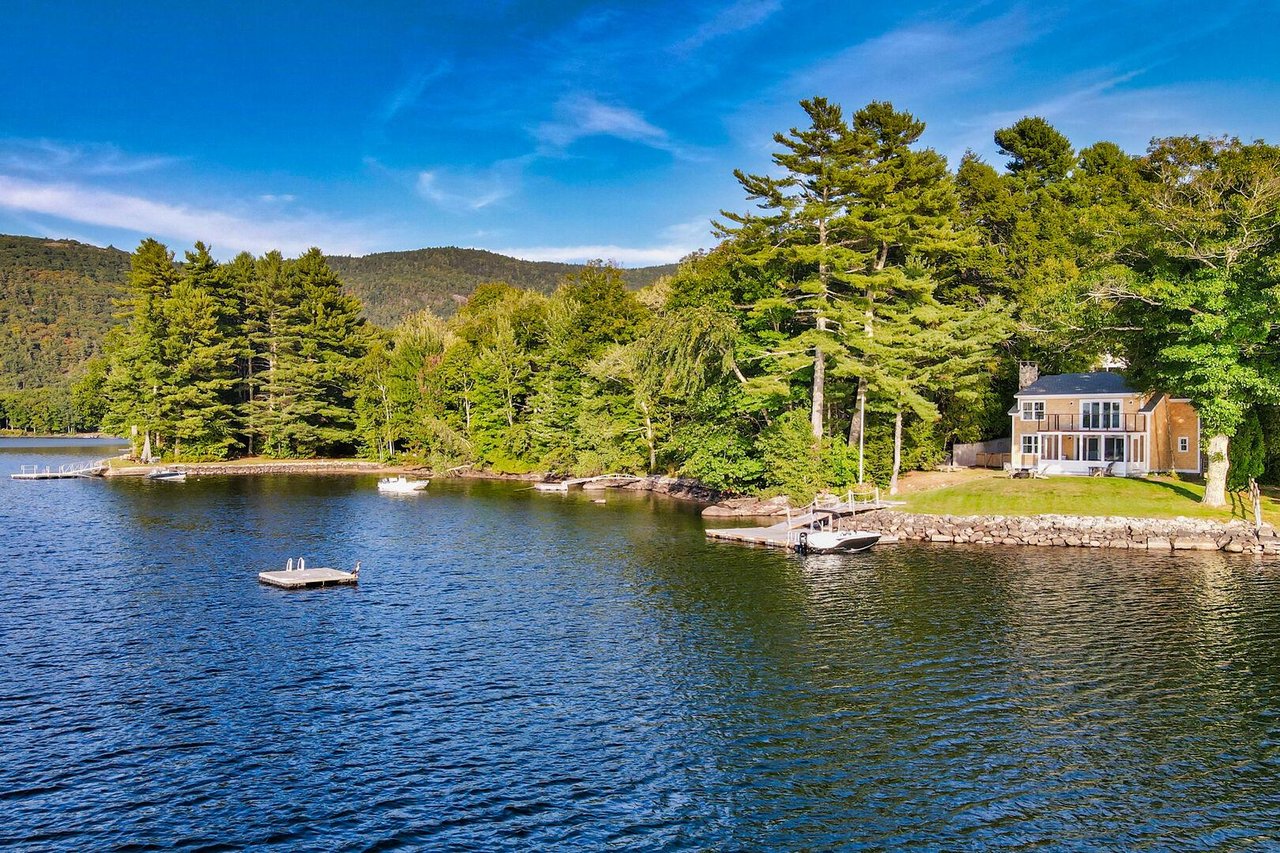
That identity draws two different kinds of buyers into the same zip code. One is looking for year-round, in-town living near Main Street. The other is looking for a private dock, a view across the Western Way toward the Cranberry Isles, or proximity to Acadia National Park's Seawall section. Both groups are shopping "Southwest Harbor." Only one sale from either group needs to close in a slow month to pull the town's median far past what either buyer pool would consider typical.
In a market that closes three to five homes a month, the median is not a trend line. It is a list of whoever happened to sell.
The Search Radius Blurs Town Lines Too
There is a second layer of noise worth knowing about before you trust a headline number. Search "Southwest Harbor waterfront homes" on a major portal and the results page will often include listings labeled as nearby matches from other towns entirely. A recent search returned a $4.4 million listing in Northeast Harbor and a $1.8 million listing on the Cranberry Isles mixed into a set framed around Southwest Harbor. Those are different markets, with different buyer pools and different scarcity, sitting a few miles away across Somes Sound or a ferry ride offshore. If you are building a mental model of "what waterfront costs in Southwest Harbor" from a scroll through search results, it is worth checking the actual town listed on each property before it enters your comp set.
What the Fall 2026 Snapshot Actually Shows
Look past the spring's headline swing and the picture steadies. As of September 2026, thirteen waterfront homes are actively listed in Southwest Harbor, with a median asking price near $1.1 million. Homes across the broader market are averaging roughly two months on the market, close to where they stood a year earlier. None of that reads as dramatic in either direction, which is closer to the truth of a town where inventory is thin and demand for both the modest Main Street homes and the Somes Sound waterfront has stayed fairly consistent.
Different sources this year have reported medians ranging from roughly $414,600 to $479,000 to $917,000, depending on whether they are measuring three months of closed sales, a longer rolling window of closed sales, or today's asking prices on active listings. None of those figures is wrong. Each is measuring something different, and none of them substitutes for pulling the specific comps for the specific type of home, in the specific village, that you are actually trying to buy or sell.
What This Means If You Are Comparing Towns
A few habits make thin markets like this one easier to read correctly. Check the sale count behind any median before trusting it. Separate in-town Main Street inventory from Manset, Seawall, Clark Point Road, and Somes Sound waterfront when you look at comps, since they behave like two different housing markets sharing one town name. Track price per square foot over a full year rather than a single quarter, since even that figure moves in double digits on a handful of trades. And before treating a "similar listing nearby" as a comp, confirm which town it is actually in.
A Few Questions Worth Asking Directly
Does "Southwest Harbor" real estate include Manset and Seawall? Yes. Both are villages within the town of Southwest Harbor, and listings from either will show up under the town's name even though they sit in distinct pockets with their own character.
How many homes typically sell in Southwest Harbor in a given month? Recent data show closings in the range of three to five homes per month, which is why any single month's median should be read as a snapshot of who happened to sell, not a verdict on the market.
What does "the Quietside" mean? It is the informal, widely used name for the western side of Mount Desert Island, covering Southwest Harbor, Tremont, Bass Harbor, and Bernard, as distinct from the busier Bar Harbor side of the island.
A headline median can tell you that something happened in a market. It cannot tell you what a specific street, village, or waterfront lot is actually worth, especially in a town where three sales make up a month. If you are weighing Southwest Harbor against another Mount Desert Island town, or trying to figure out what a listing on Clark Point Road or in Manset should actually be priced at, Legacy Properties Sotheby's International Realty can walk through the specific comps behind the headline number with you.