Edward Hopper’s fascination with the New England coast is once again in the spotlight. On November 18, 2026, Sotheby’s will offer his painting The Martha McKeen of Wellfleet in its Modern Evening Auction in New York, with an estimate of $20 million to $30 million. While the painting depicts the Massachusetts coast, the upcoming sale offers an opportunity to revisit another important chapter of Hopper’s artistic life: his summers painting along the coast of Maine.
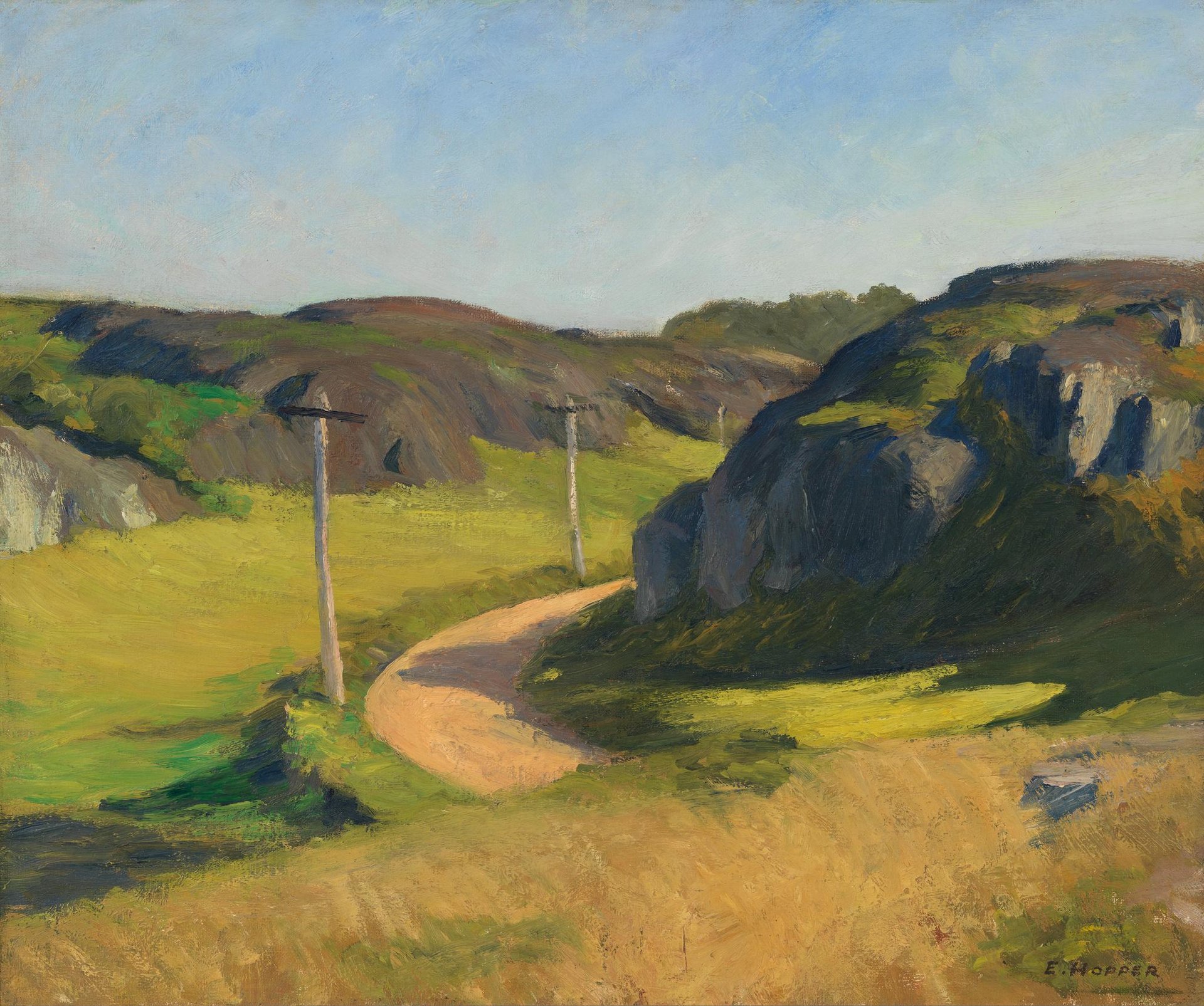
Edward Hopper, Road in Maine, 1914.
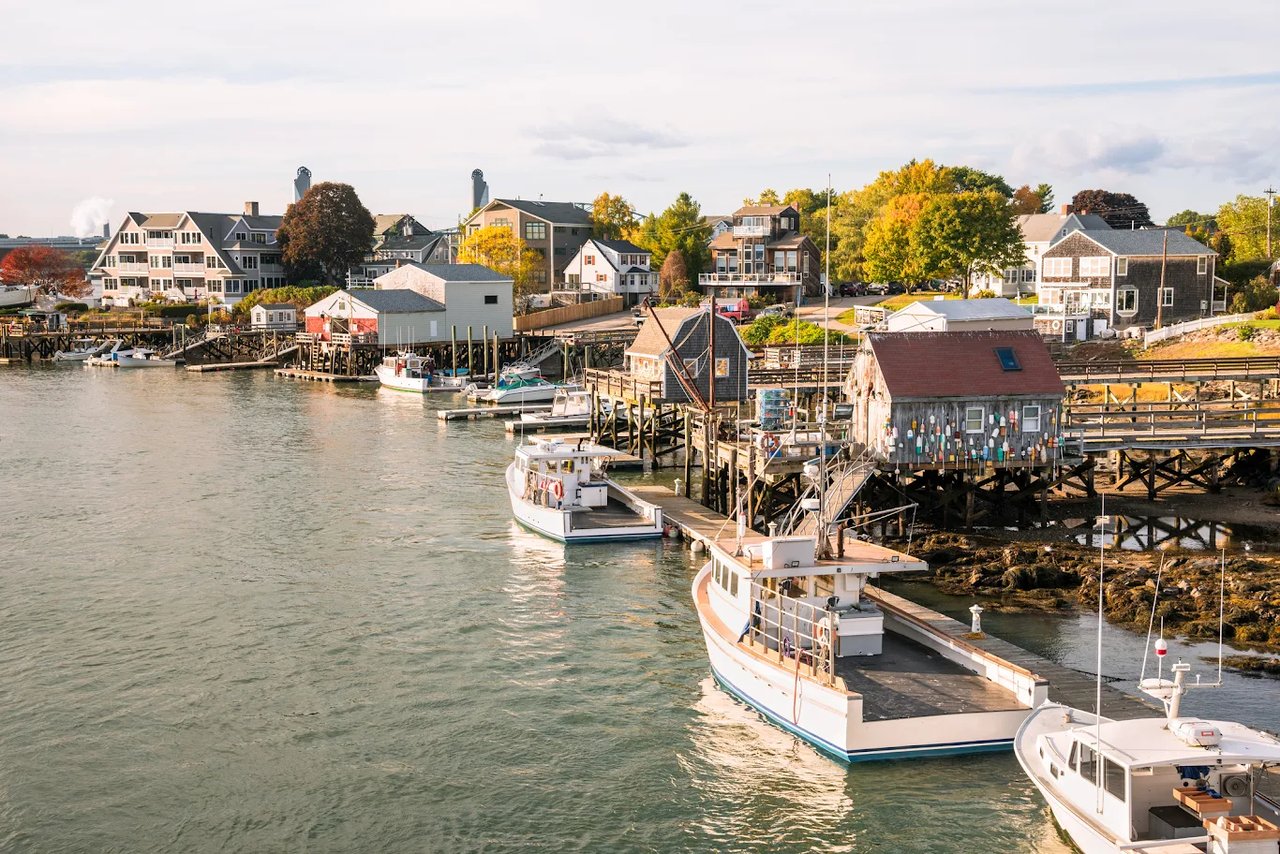
Between 1914 and 1929, Hopper spent nine summers in Maine, drawing inspiration from its rocky shorelines, coastal villages, architecture, and distinctive light. Among the places that captured his attention was Two Lights in Cape Elizabeth, the subject of several works, including his celebrated 1929 painting, The Lighthouse at Two Lights.
Edward Hopper’s Years in Maine
Hopper first visited Maine in 1914, spending time in Ogunquit before discovering Monhegan Island in 1916. He returned to the island for three consecutive summers, producing 32 small oil sketches of its dramatic coastline and rock formations.
After returning to Maine in 1926, Hopper explored other coastal communities, including Rockland and Cape Elizabeth. His later work increasingly focused on the structures that defined the shoreline, from lighthouses and Coast Guard stations to fishing boats and coastal homes.
In 2011, the Bowdoin College Museum of Art presented Edward Hopper’s Maine, the first comprehensive exhibition devoted to his artistic work in the state.
The Lighthouse at Two Lights
In 1927, Hopper and his wife, Josephine, spent the summer in Cape Elizabeth. The area’s lighthouses and coastal architecture became subjects for several paintings, including Light at Two Lights and Coast Guard Station, Two Lights, Maine.
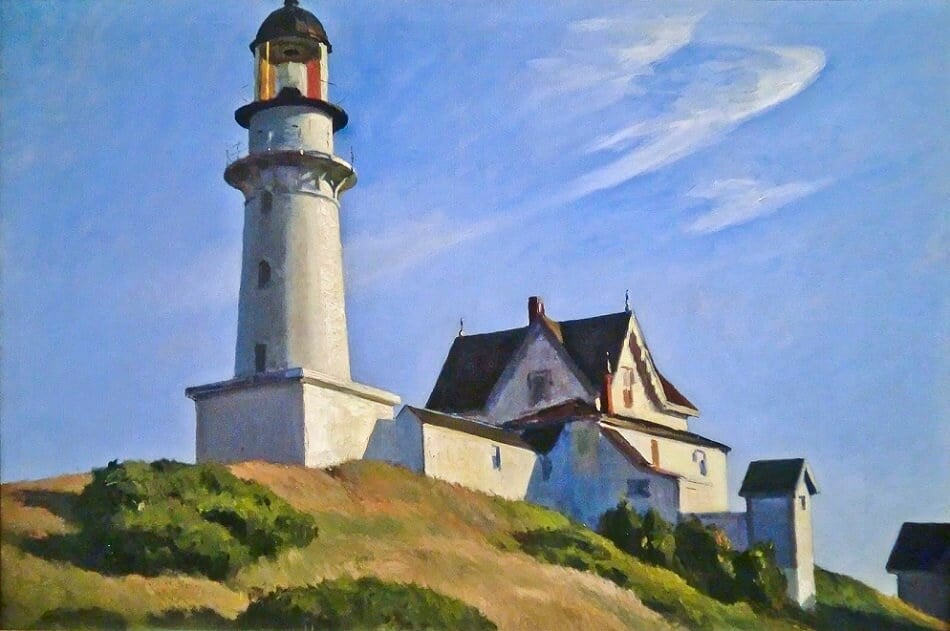
His 1929 painting, The Lighthouse at Two Lights, depicts the lighthouse rising above a rocky promontory, its strong architectural form set against the open sky. Today, the painting is part of the collection at The Metropolitan Museum of Art.
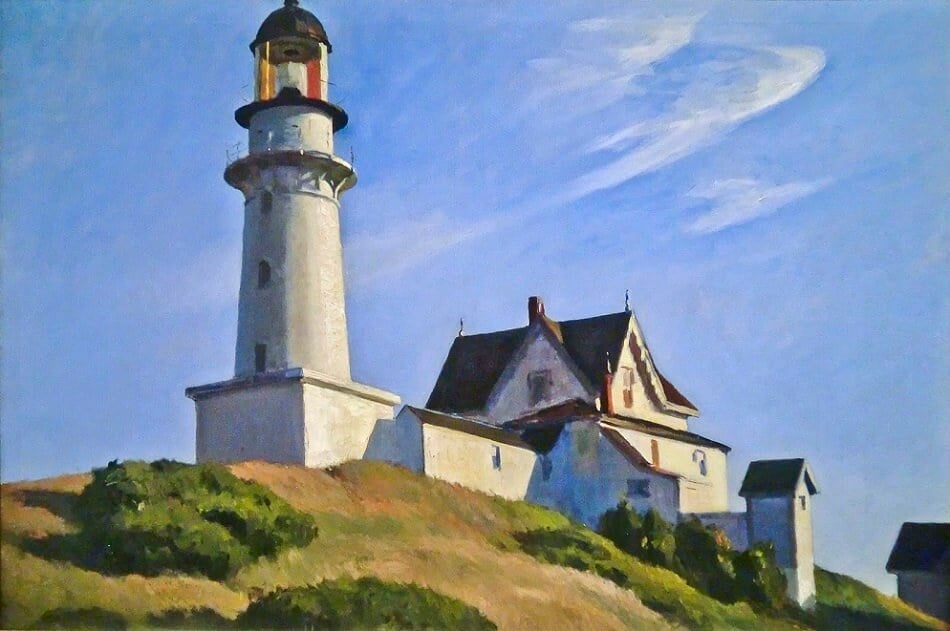
Edward Hopper, The Lighthouse at Two Lights, 1929
The work also became part of American history beyond the art world. In 1970, it was featured on a six-cent postage stamp commemorating the 150th anniversary of Maine’s statehood. The Smithsonian National Postal Museum’s collection preserves a record of the stamp, issued in Portland on July 9, 1970.
A Landscape That Endures
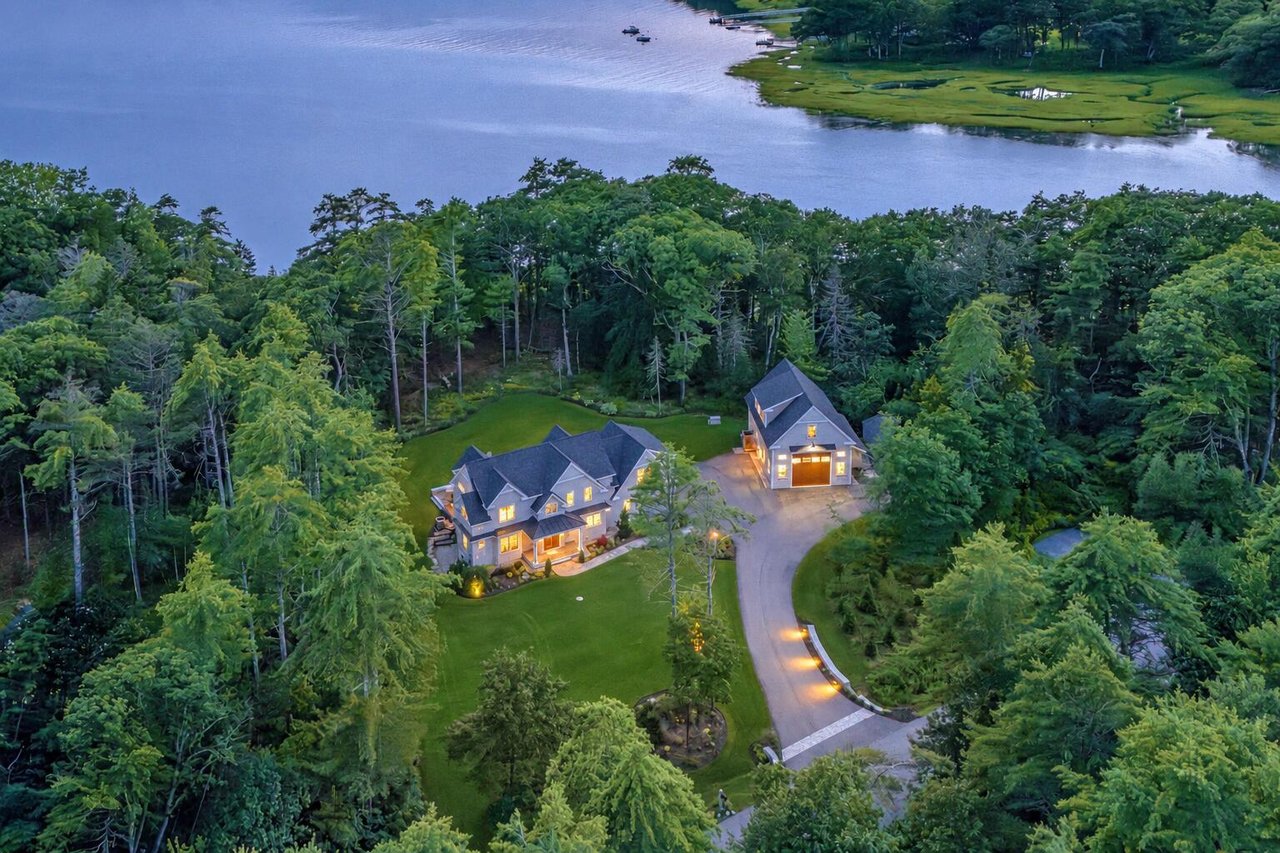
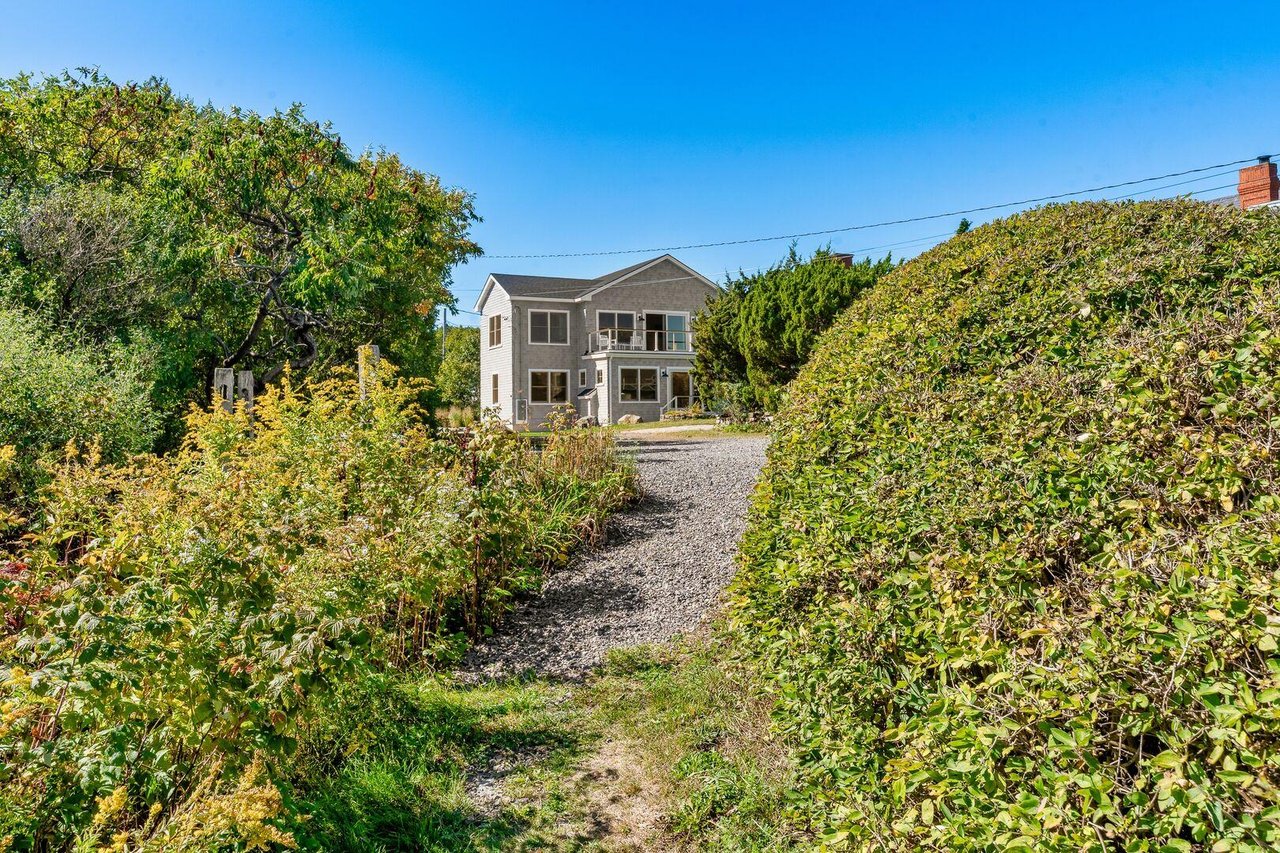
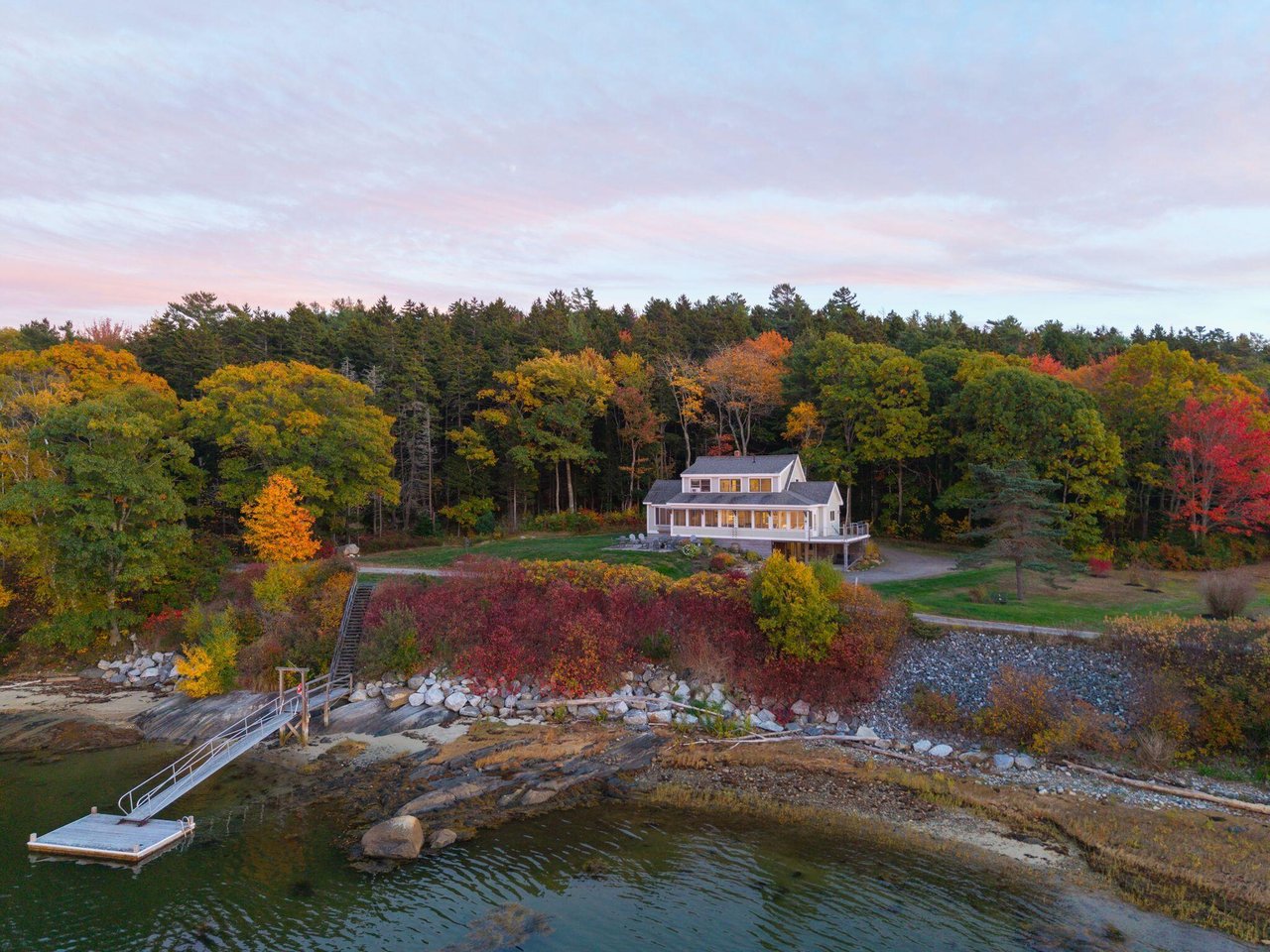
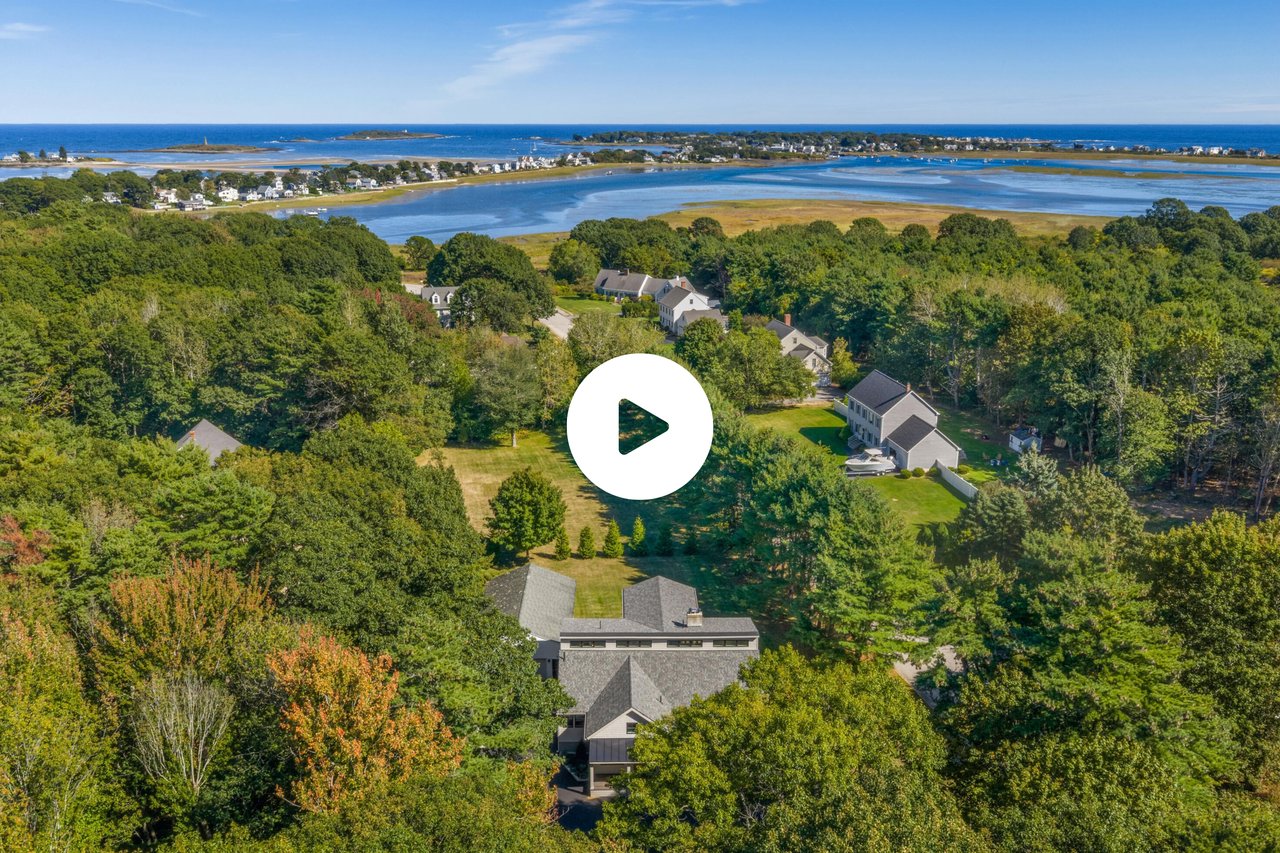
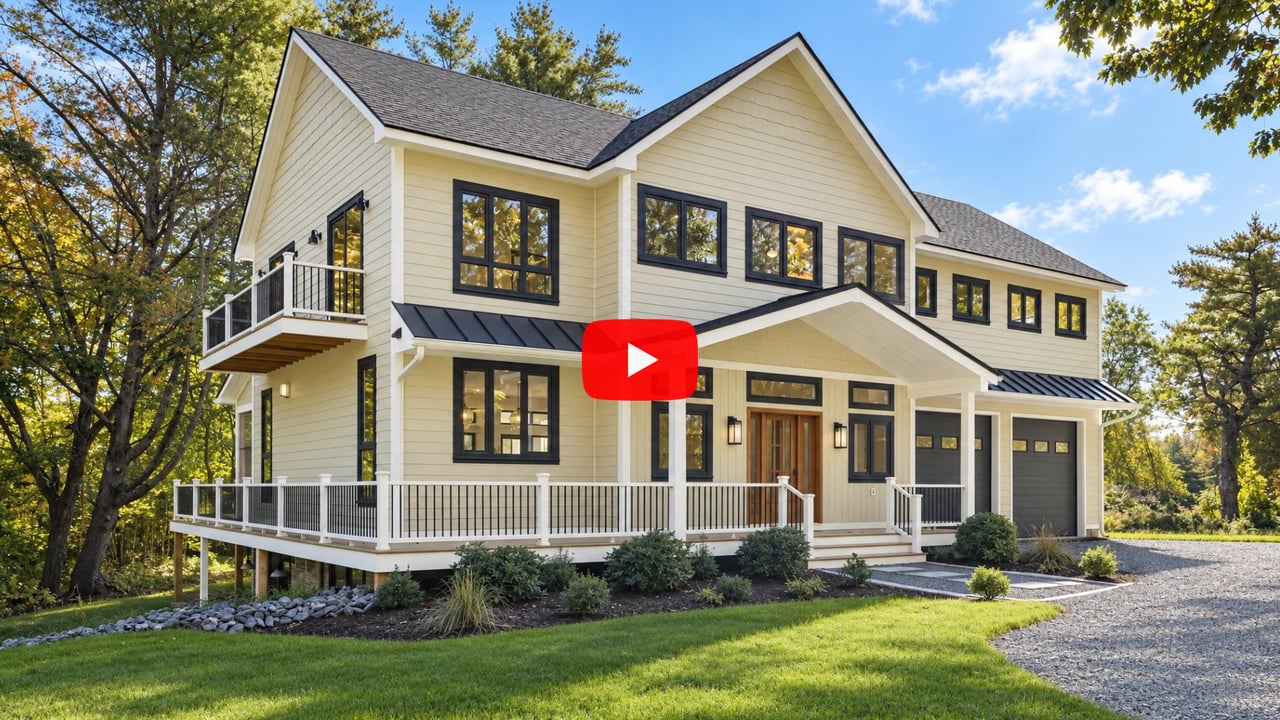
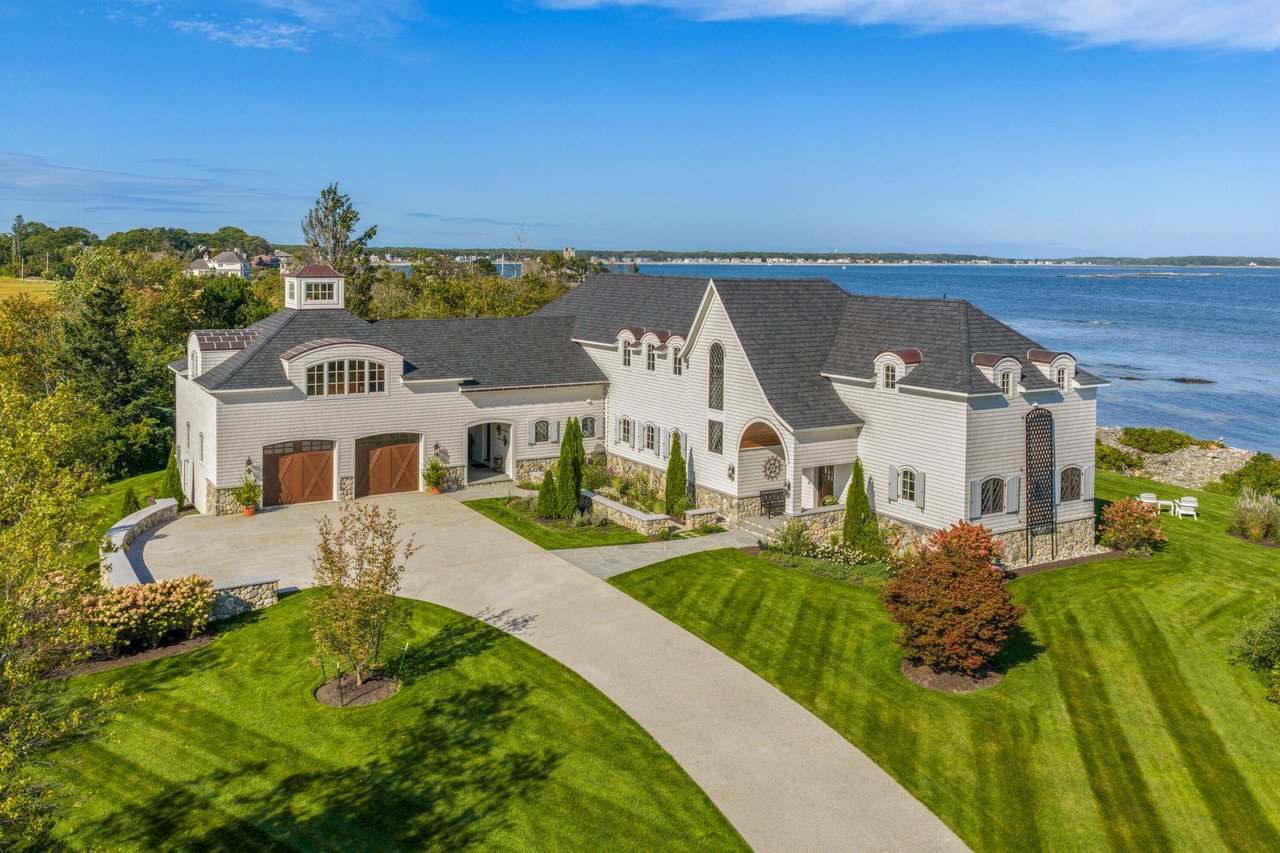
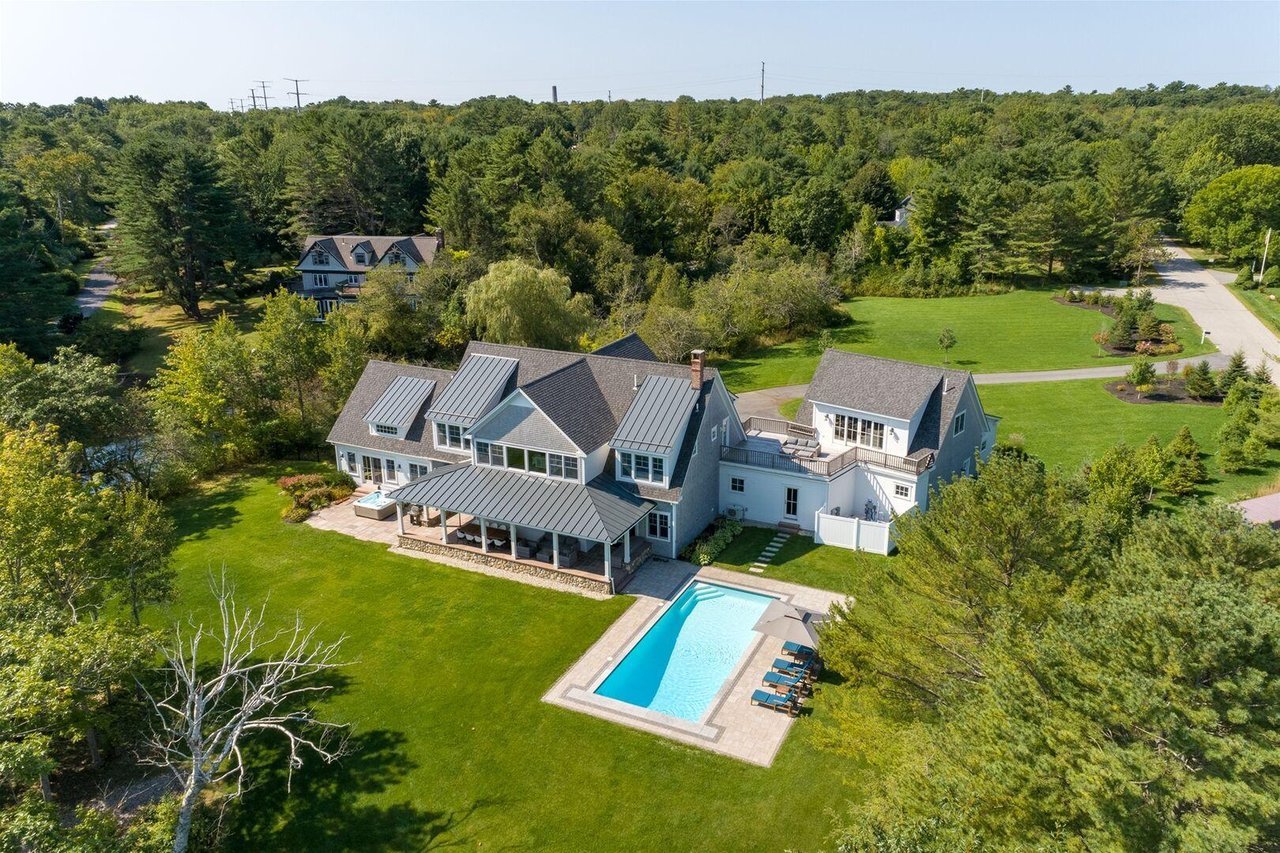
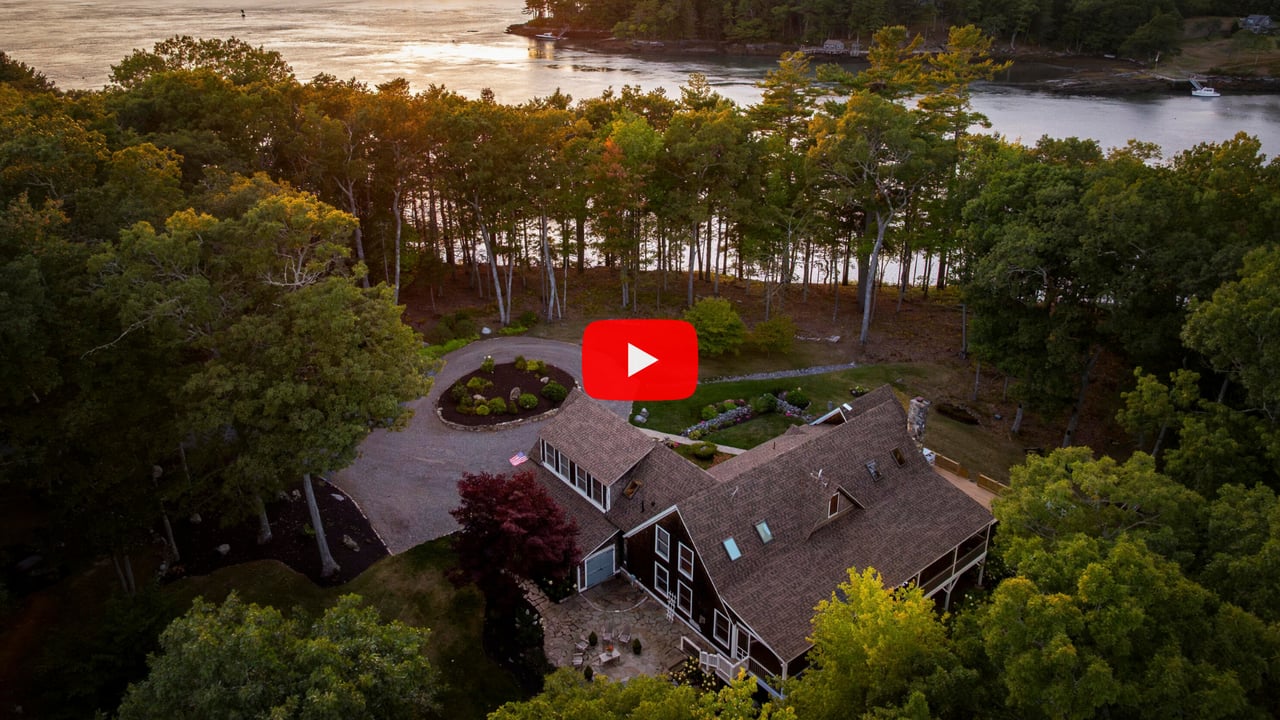
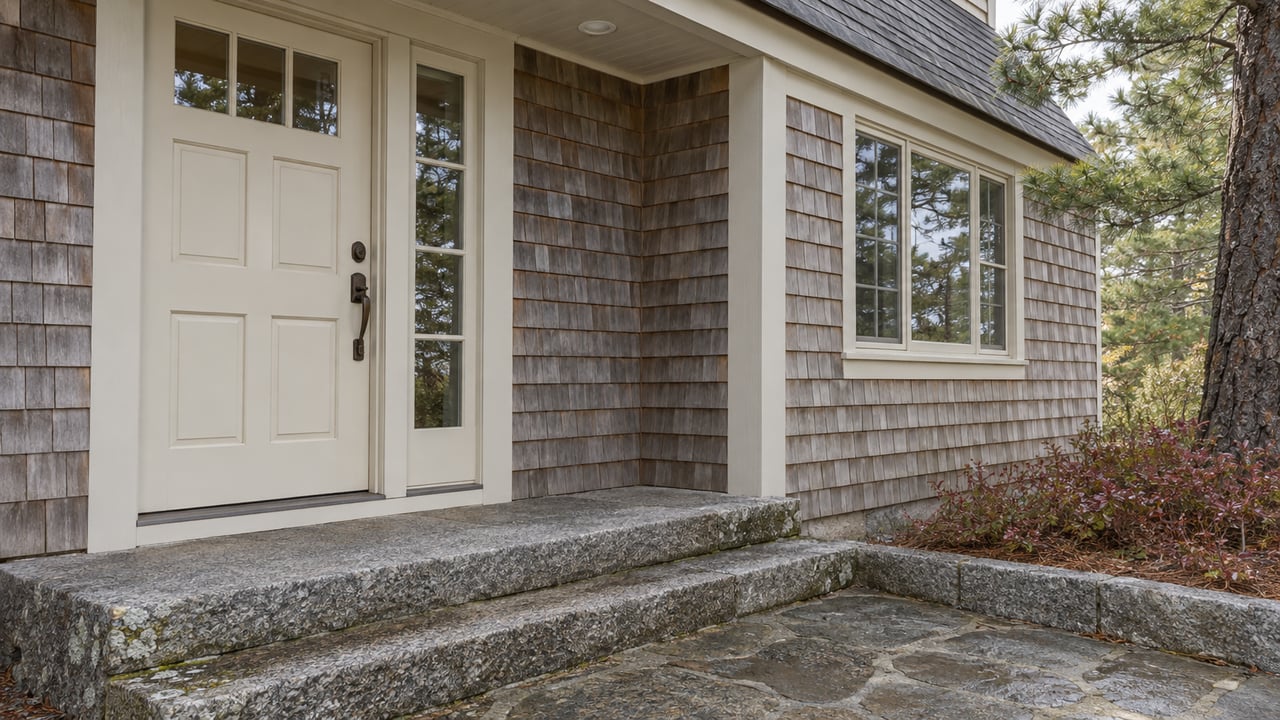
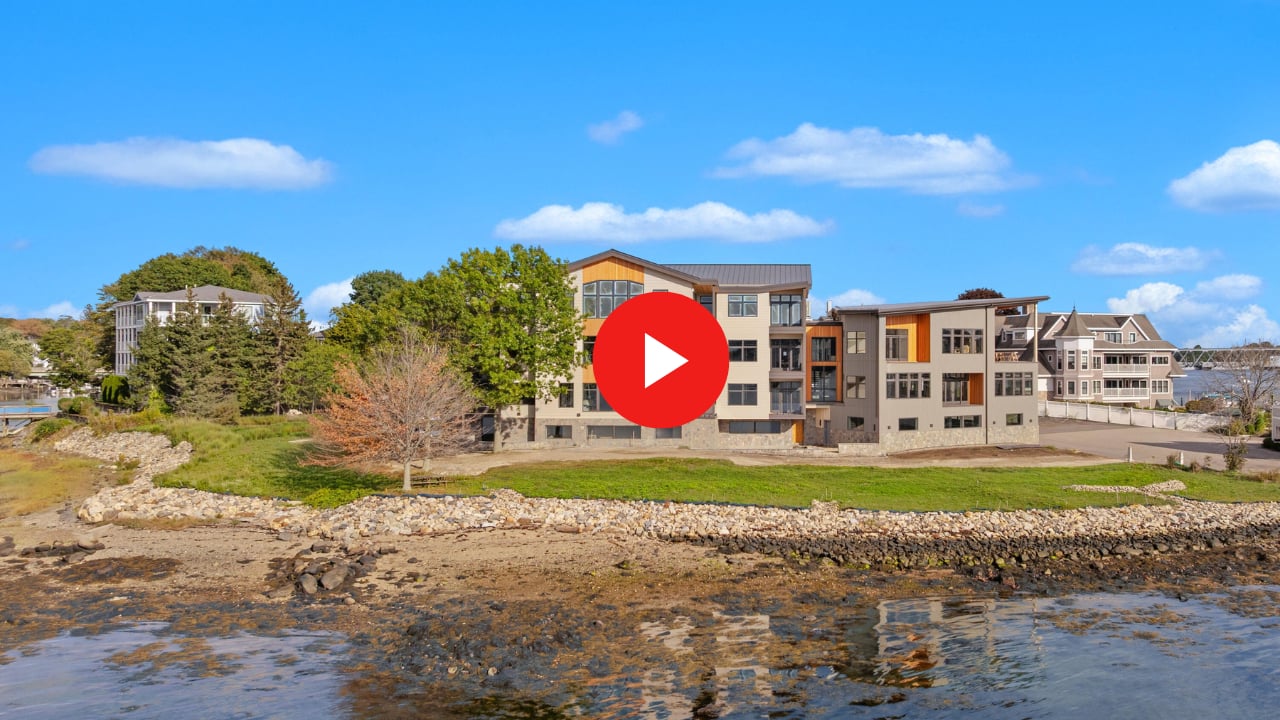
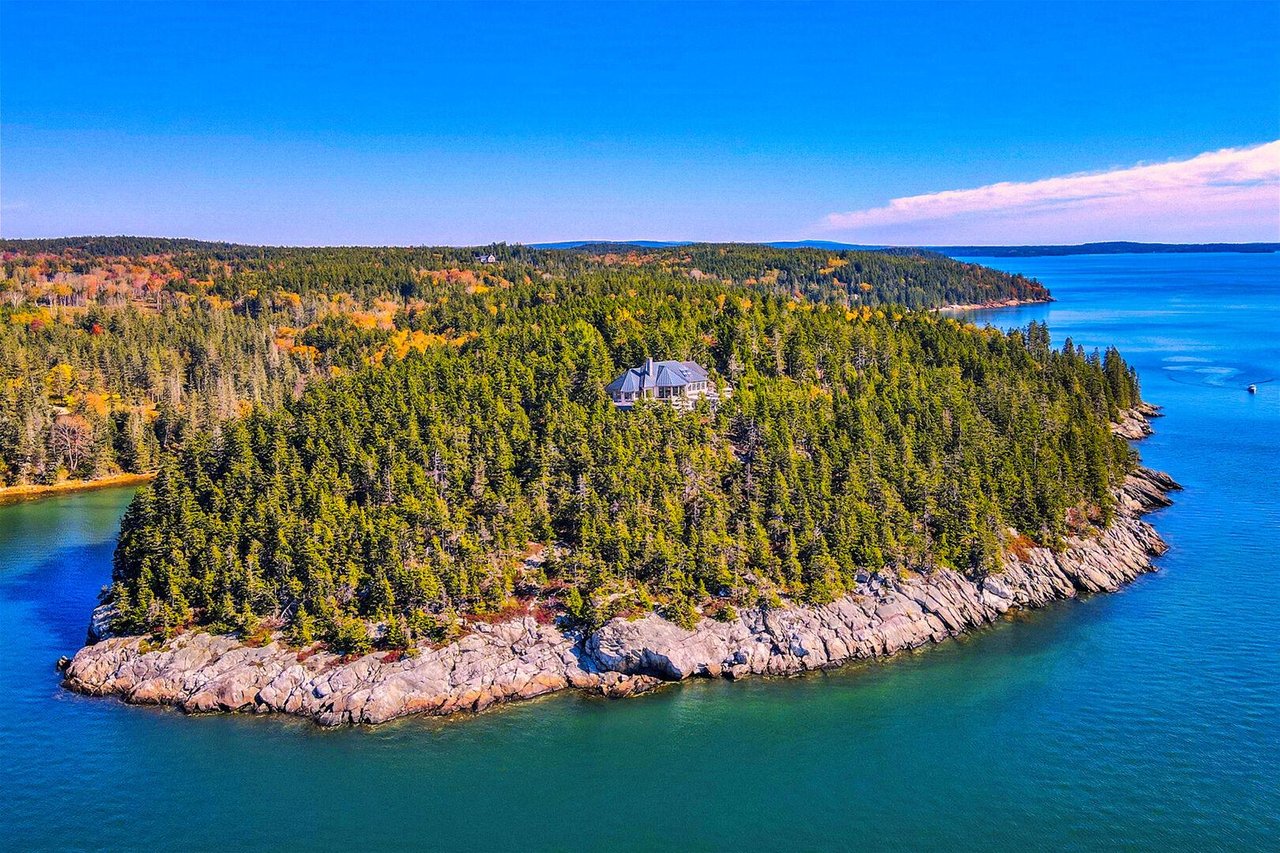
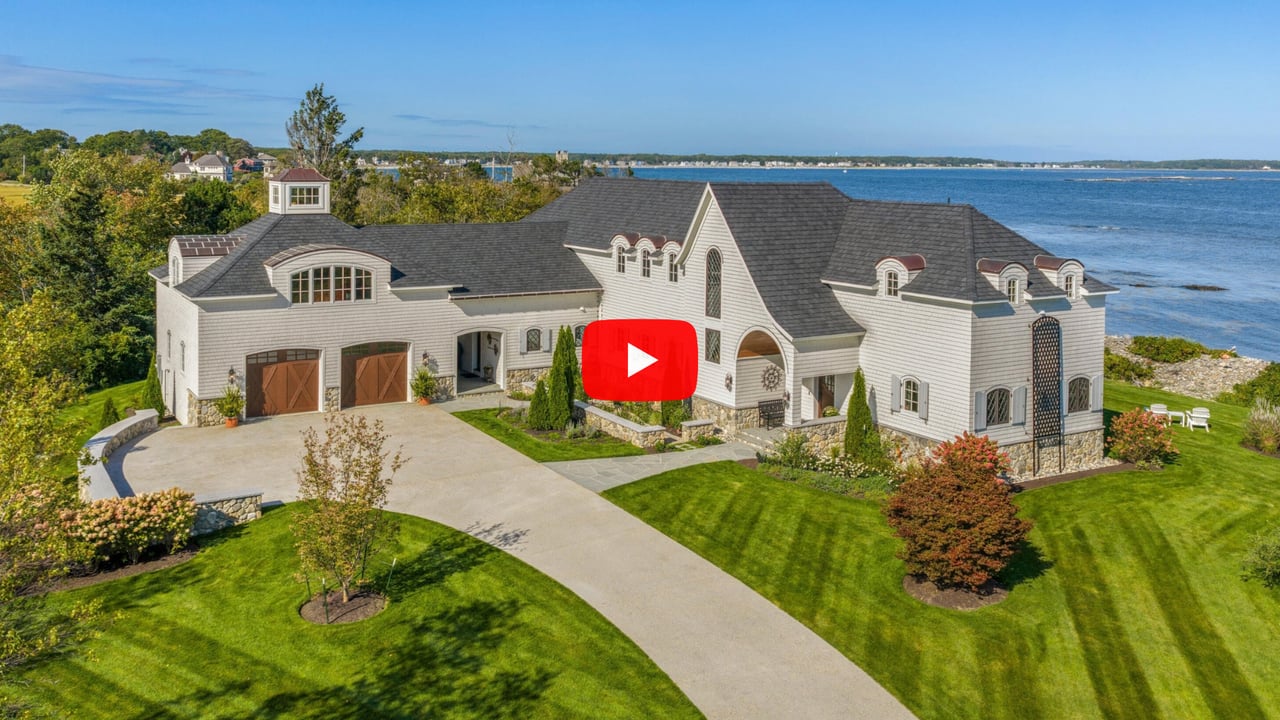
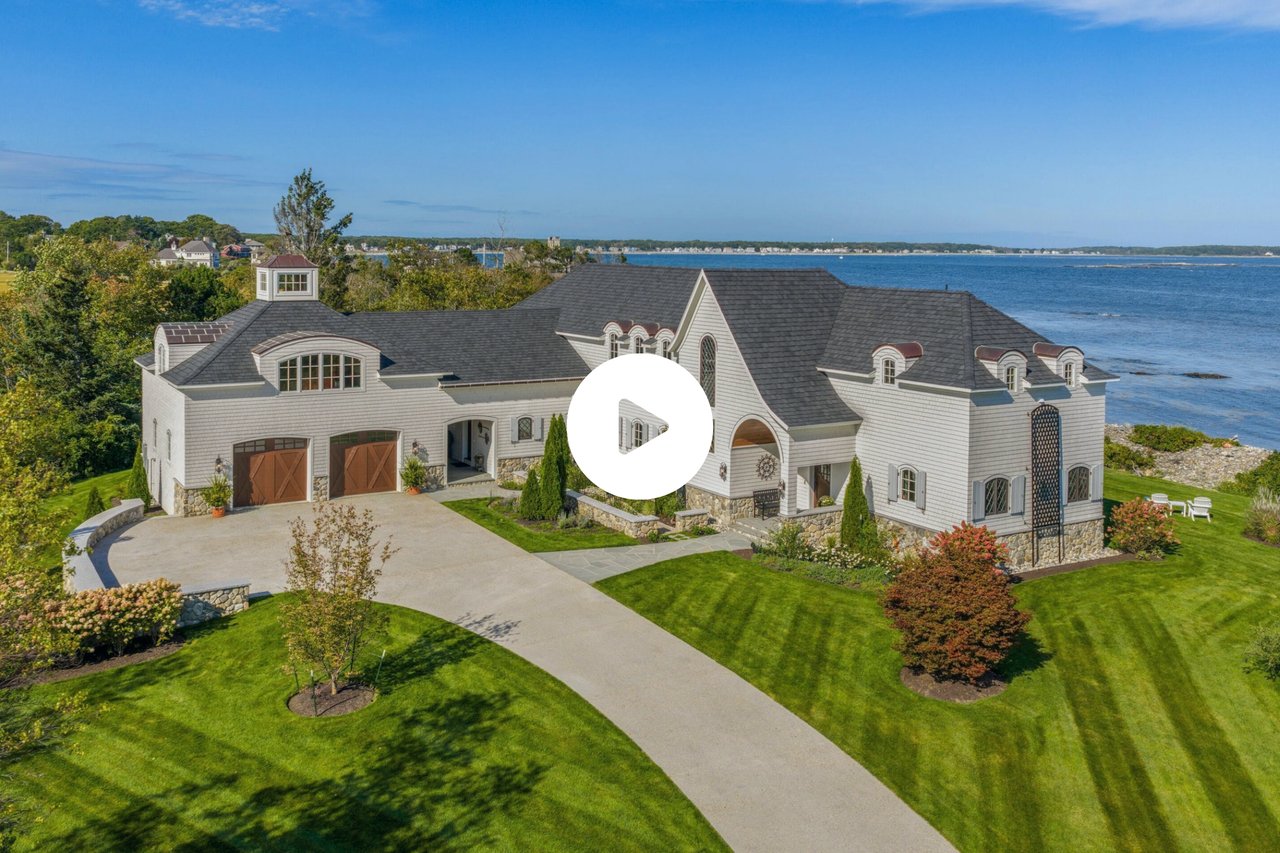
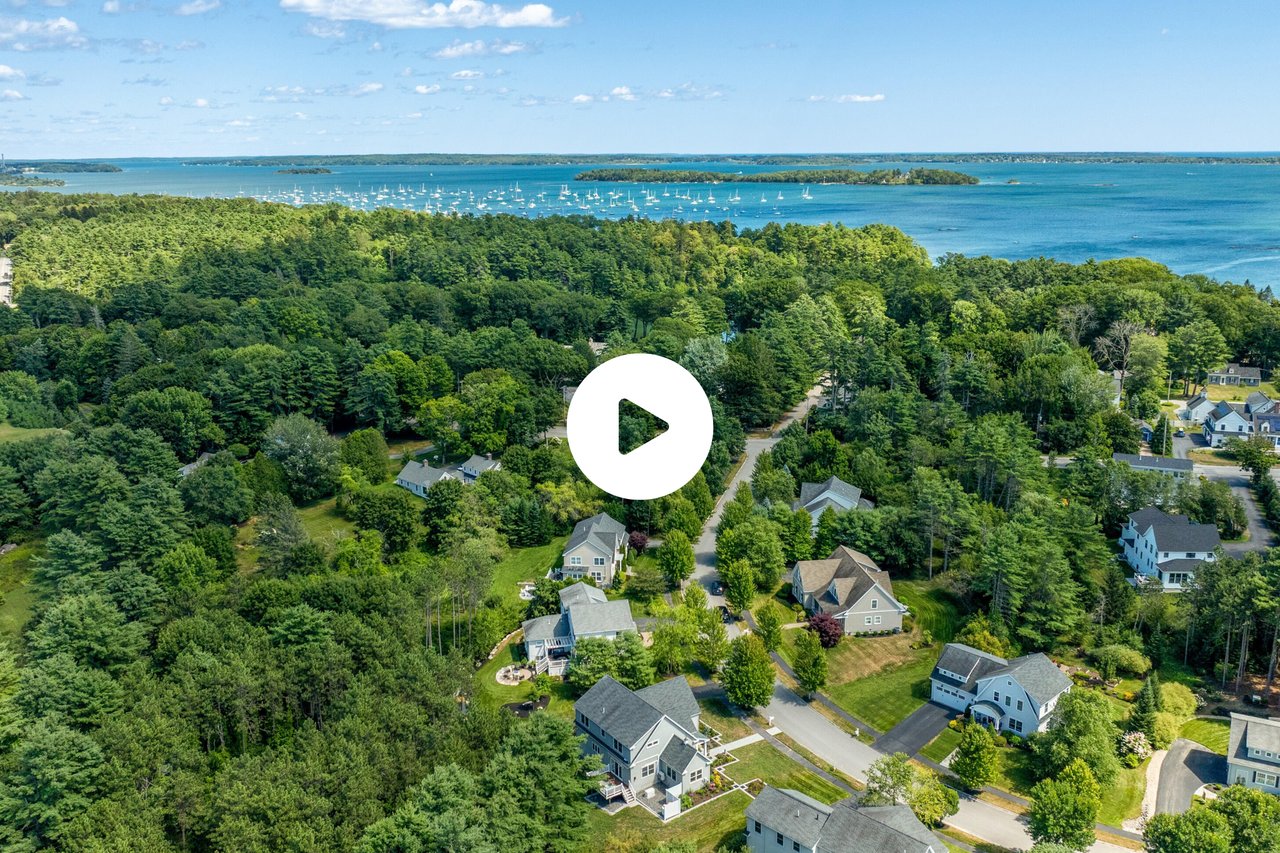
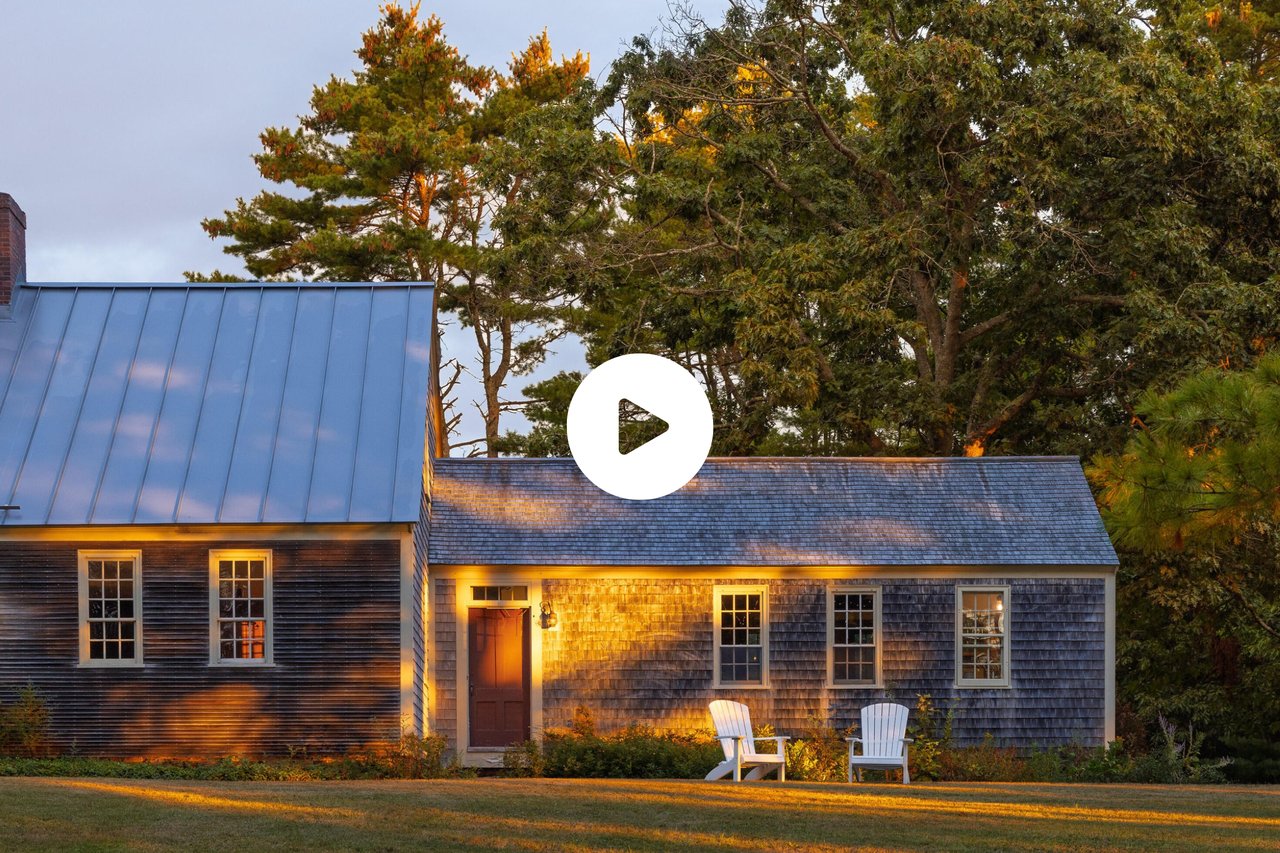
Nearly a century after Hopper painted Two Lights, the lighthouse remains an unmistakable feature of the Cape Elizabeth coastline. Its presence is also part of the setting at Staples Point, a contemporary coastal residence designed by Joe Waltman and built by Wright-Ryan, presented by Sam Michaud.
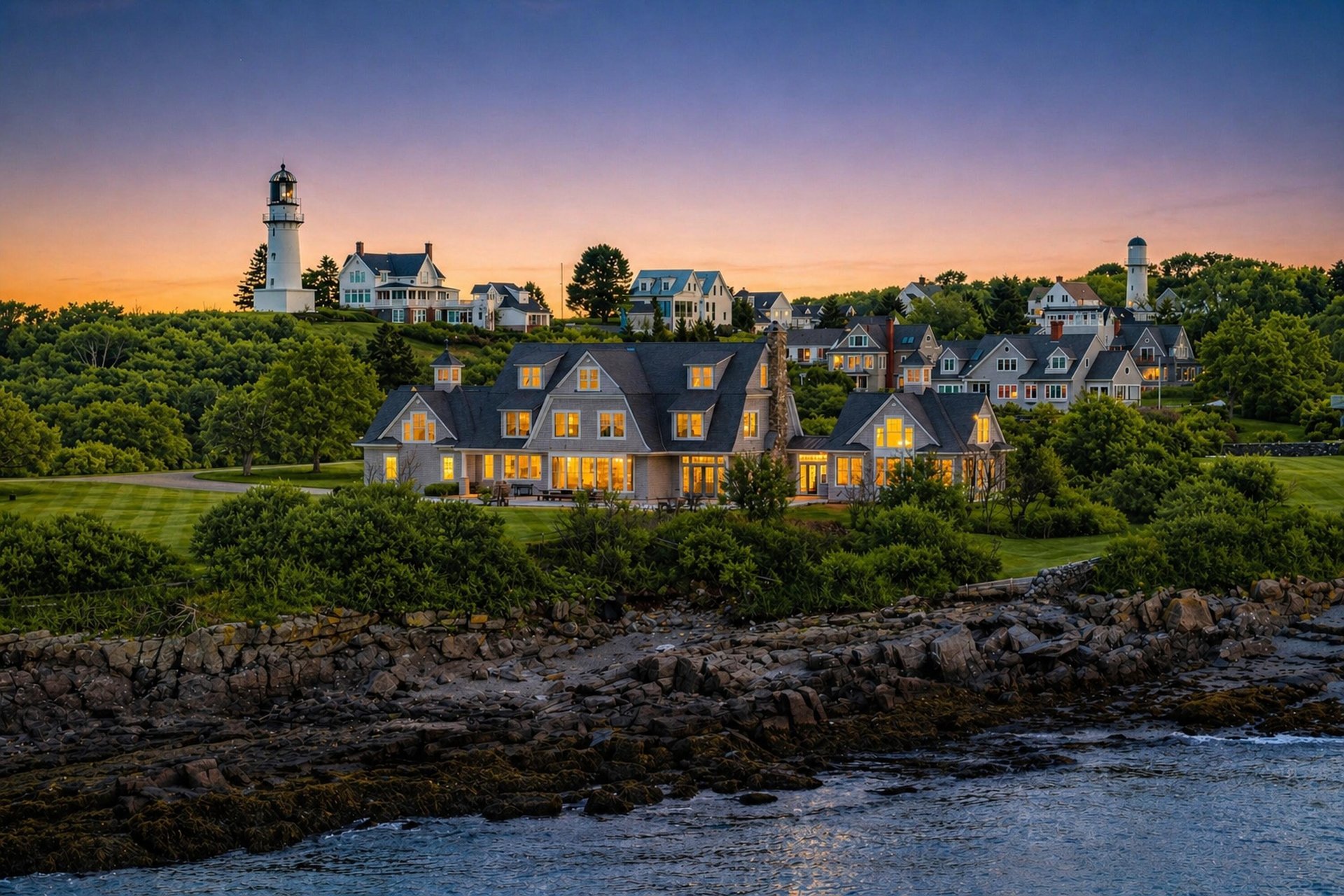
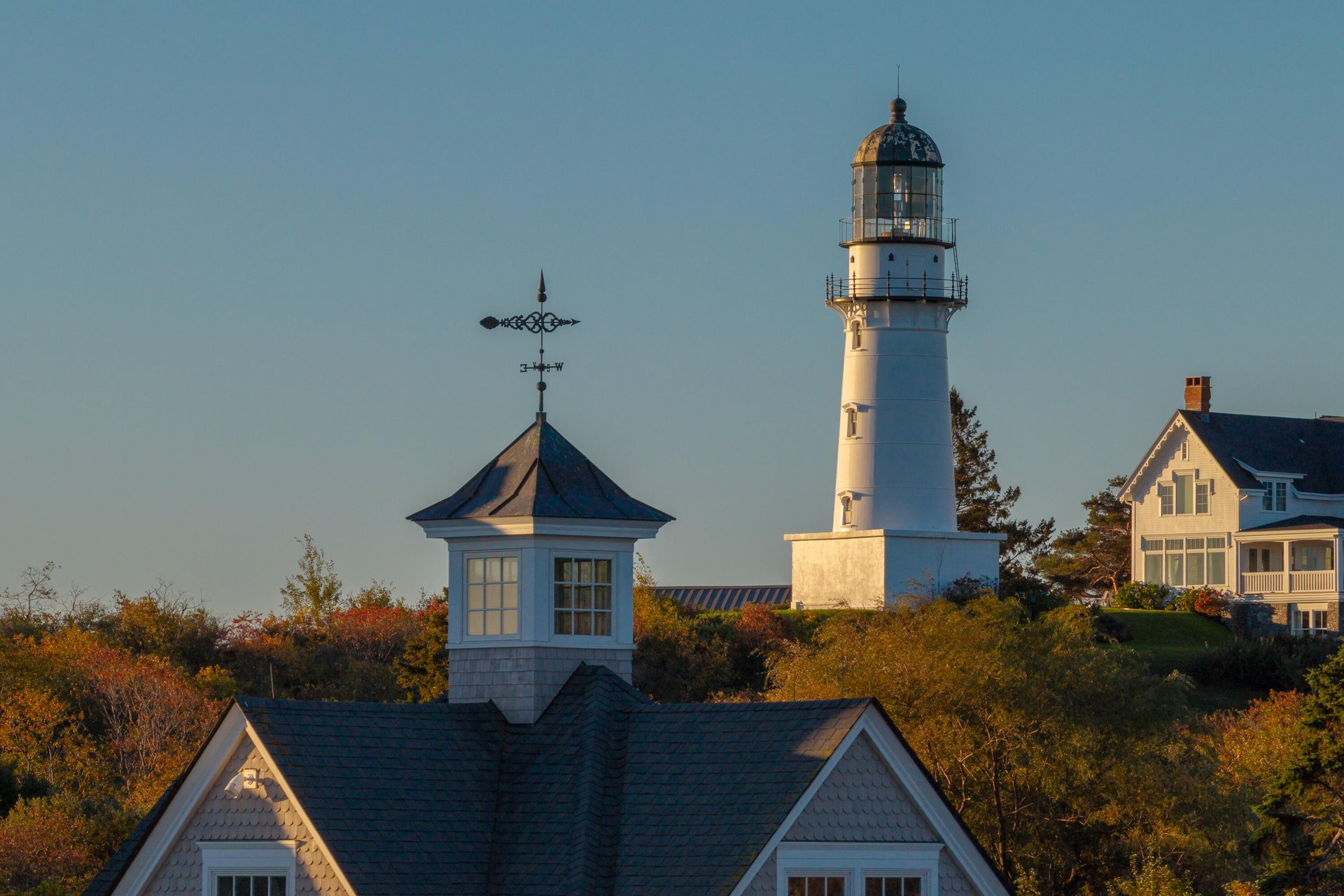
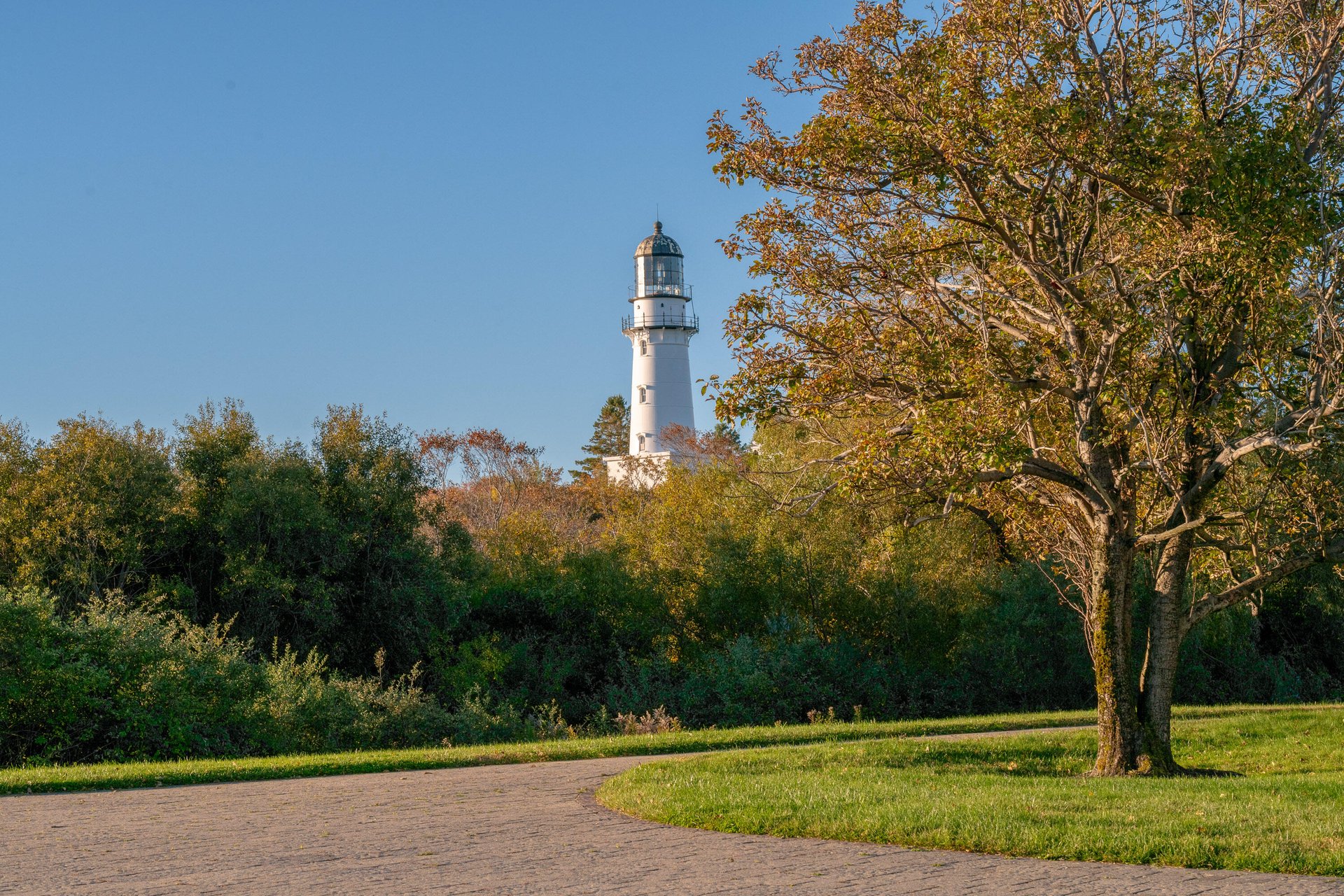
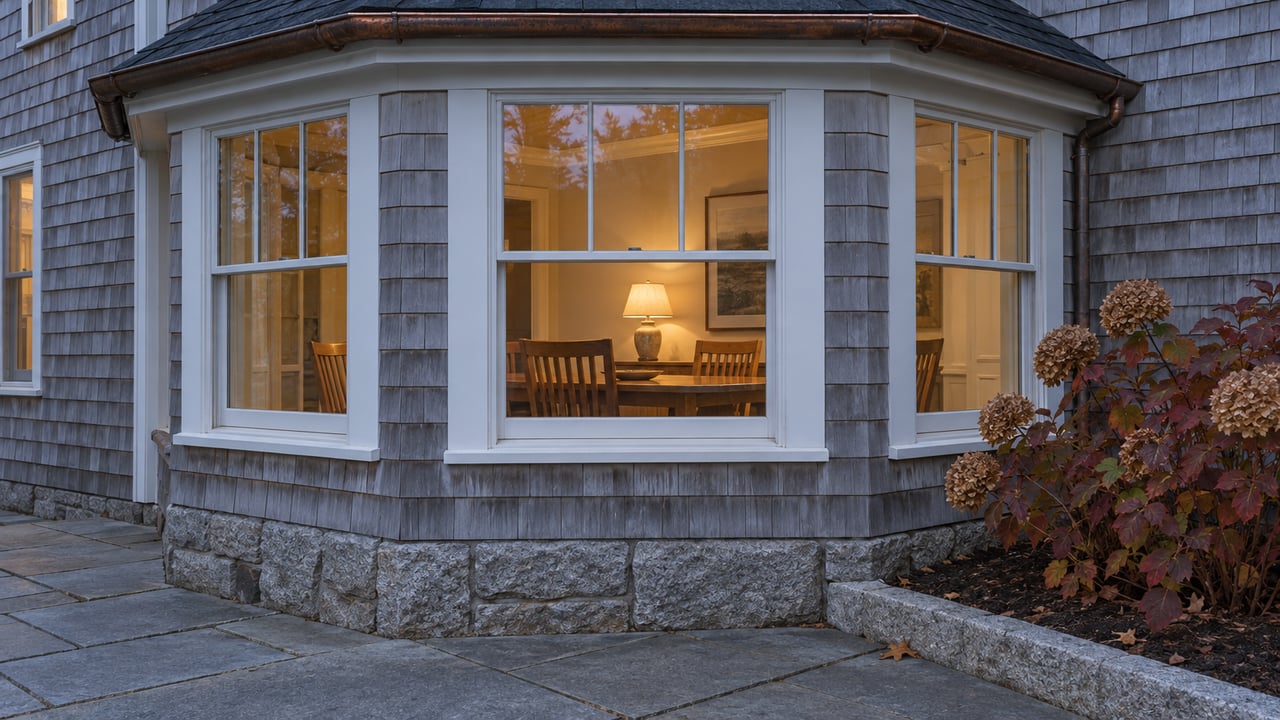
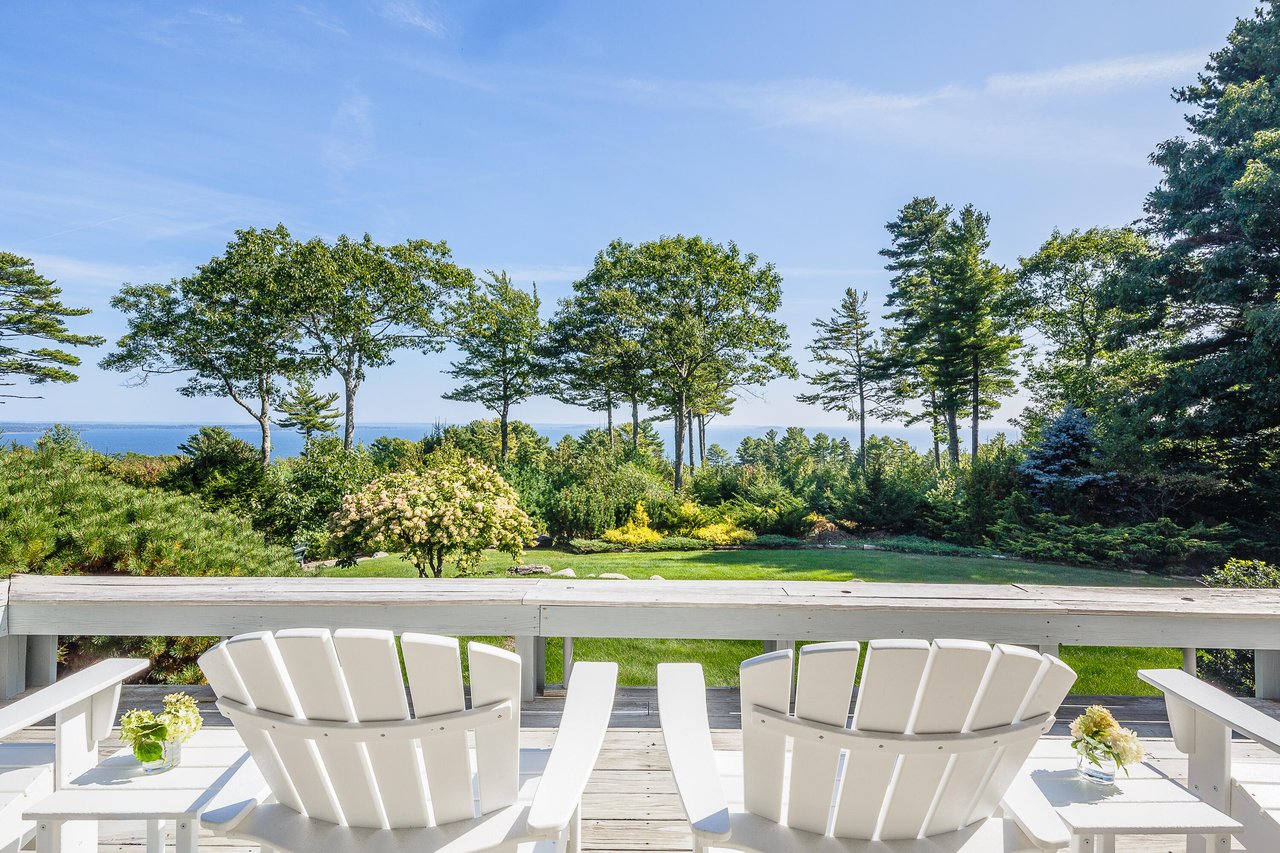
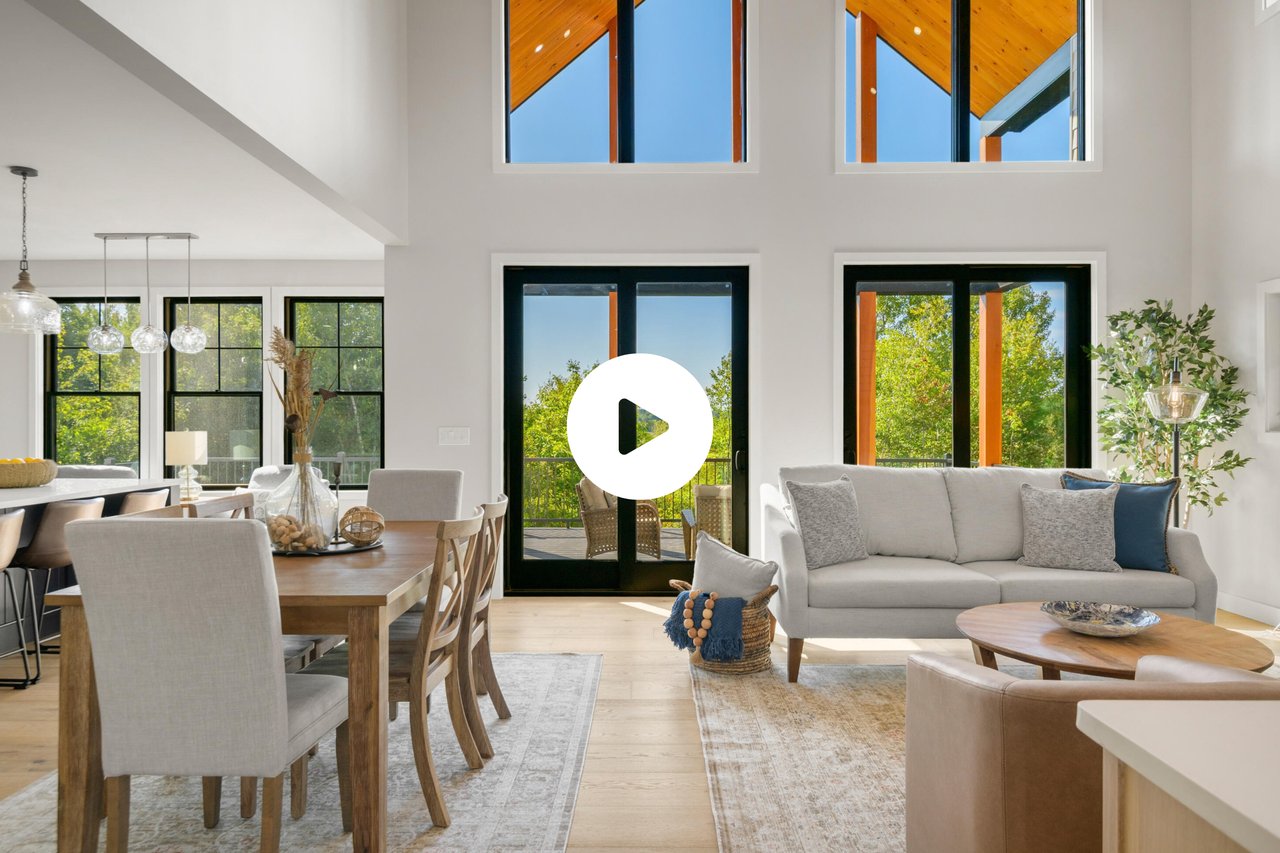
In an interview with Legacy Properties Sotheby’s International Realty, Waltman discussed how the surrounding lighthouses informed the home's design. Larger windows were incorporated throughout the residence to bring the views into its living spaces.
As Waltman described it, “It’s almost as if the lighthouse follows you from room to room.”
A Lasting Connection to the Maine Coast
From Hopper’s paintings to the architecture of homes along the shoreline today, the Cape Elizabeth landscape continues to hold its appeal. The upcoming Sotheby’s auction offers a timely reminder of Hopper’s lasting connection to New England and of the Maine coast that inspired some of his most recognizable work.