"We hope to help anchor the village's future and support the people who make Northeast Harbor a special place to live in every season," John Boynton said this spring, when he and his wife Johanna gave away roughly half an acre of their own Main Street land.
That single line explains more about this village in 2026 than any list of new restaurant openings could. Northeast Harbor has spent this year making commitments that stretch decades past the next Fourth of July, even while most of its storefronts still shutter the day after Labor Day. The gap between those two timelines, one measured in generations and one measured in weekends, is the story worth understanding if you live here.
The wharf built to outlast everyone reading this
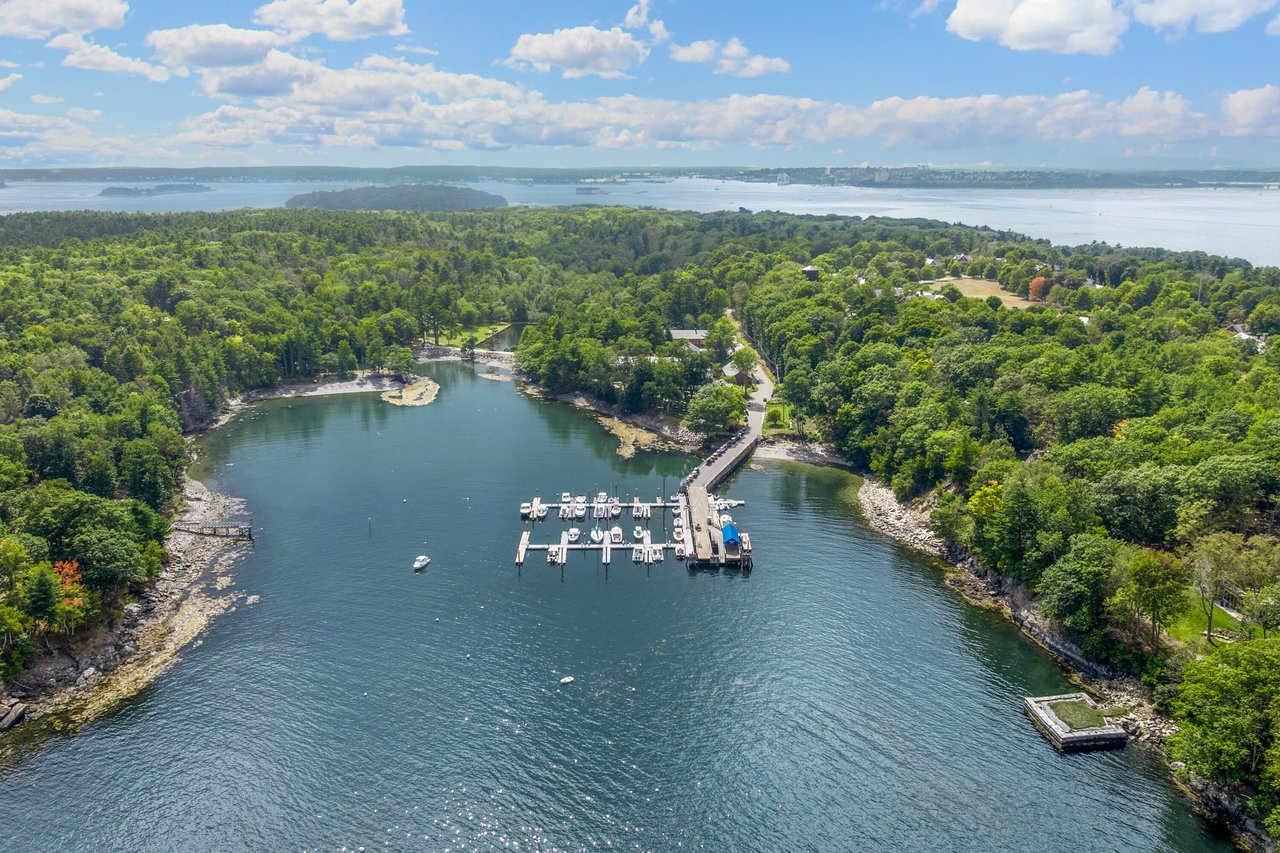
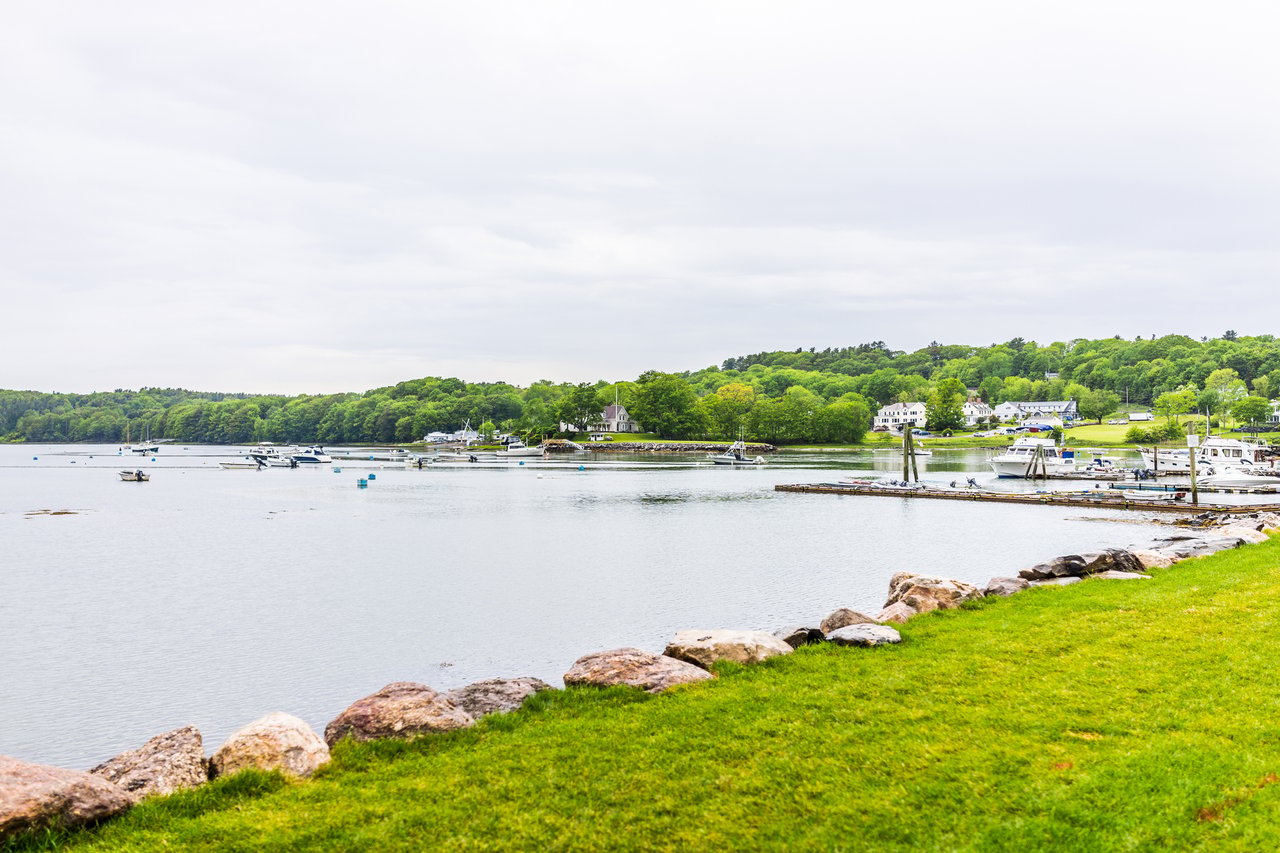
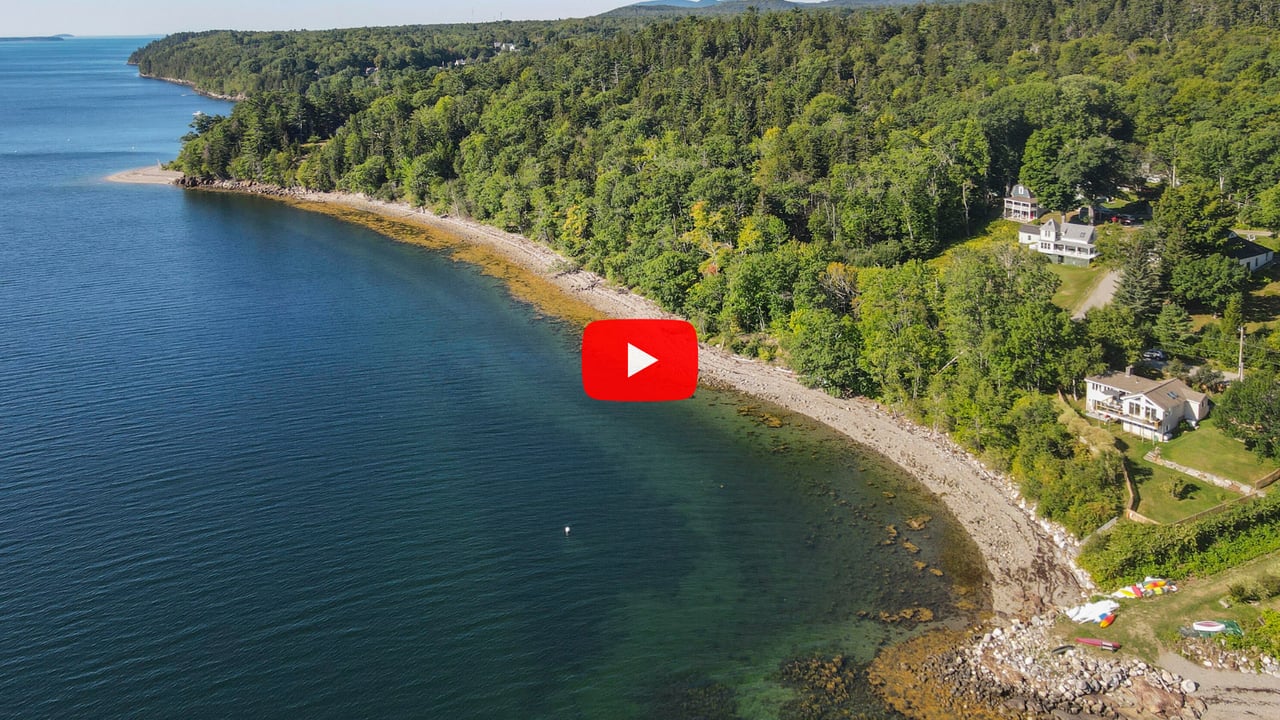
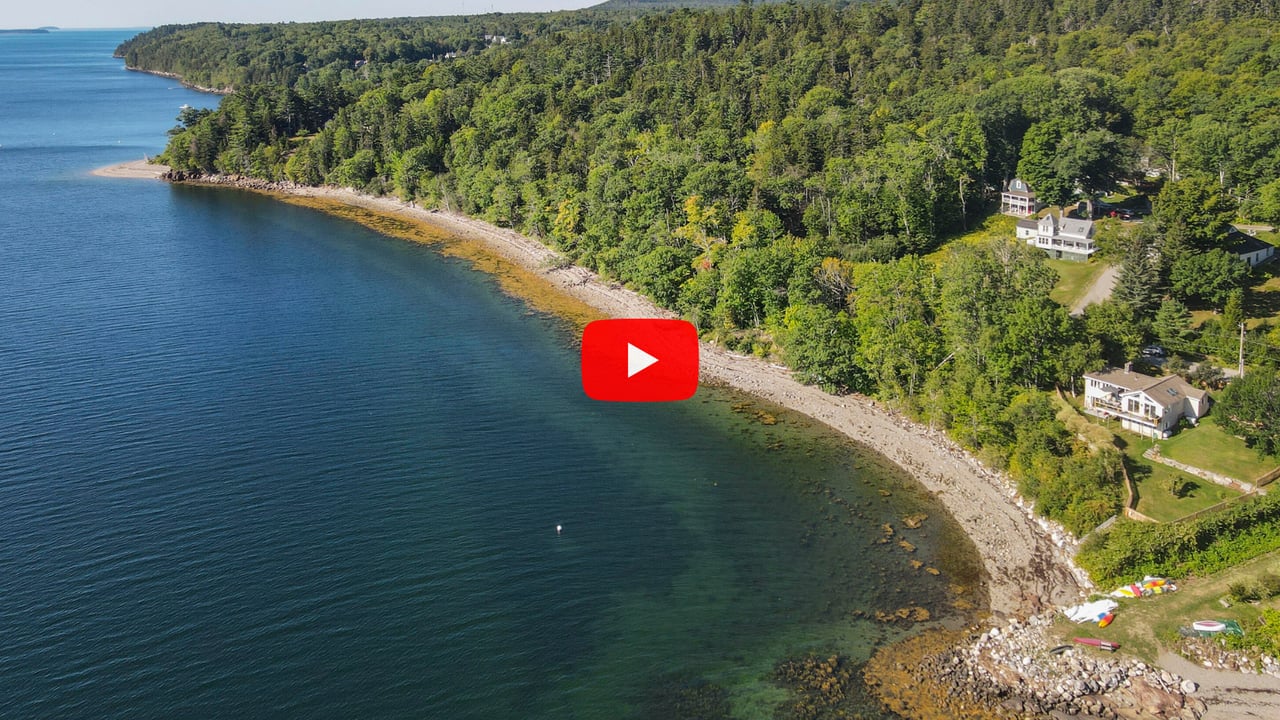
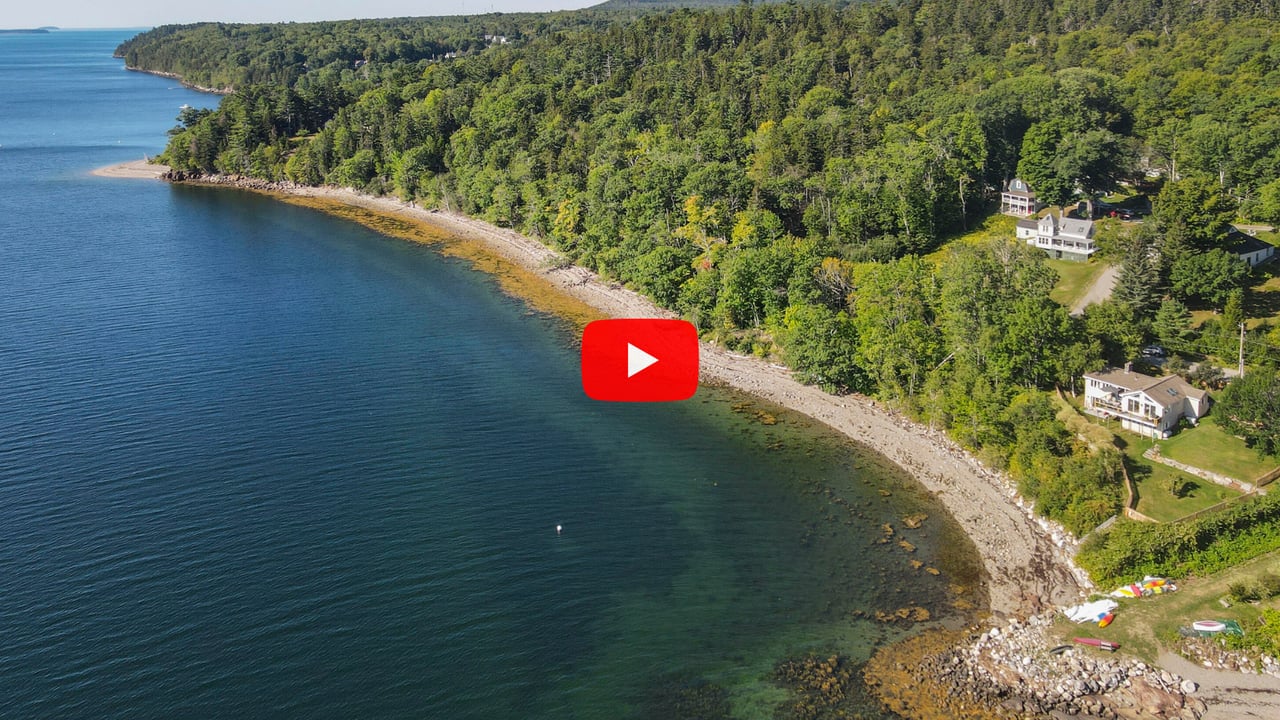
Start with the numbers nobody photographs for Instagram. On September 8, the town's Harbor Committee sat down with engineers from Gartley & Dorsky to review a summer's worth of fieldwork on the Northeast Harbor Municipal Wharf, the concrete pier that has anchored the marina for about fifty years. Crews drilled four boreholes at the site, pulled rock and soil samples, and ran a sea level rise and wave analysis. The conclusion: build the replacement three feet higher than the current wharf, and design it for a 75-year service life.
Voters approved the money for this phase, $412,610 from the Harbor's Marina Enterprise Fund Balance, at May's annual town meeting. The committee is now working toward a design by fall 2027, with construction expected closer to 2029. Committee Chair Rick Savage, who has watched this waterfront change for decades, put it plainly last year when the process began: the town has made major changes to its marina, and now it plans to maintain what it built.
A wharf engineered for three-quarters of a century is not a decision made for this summer's boat traffic. It is a bet on who will still be tying up here in 2101.
The half-acre that isn't for summer people
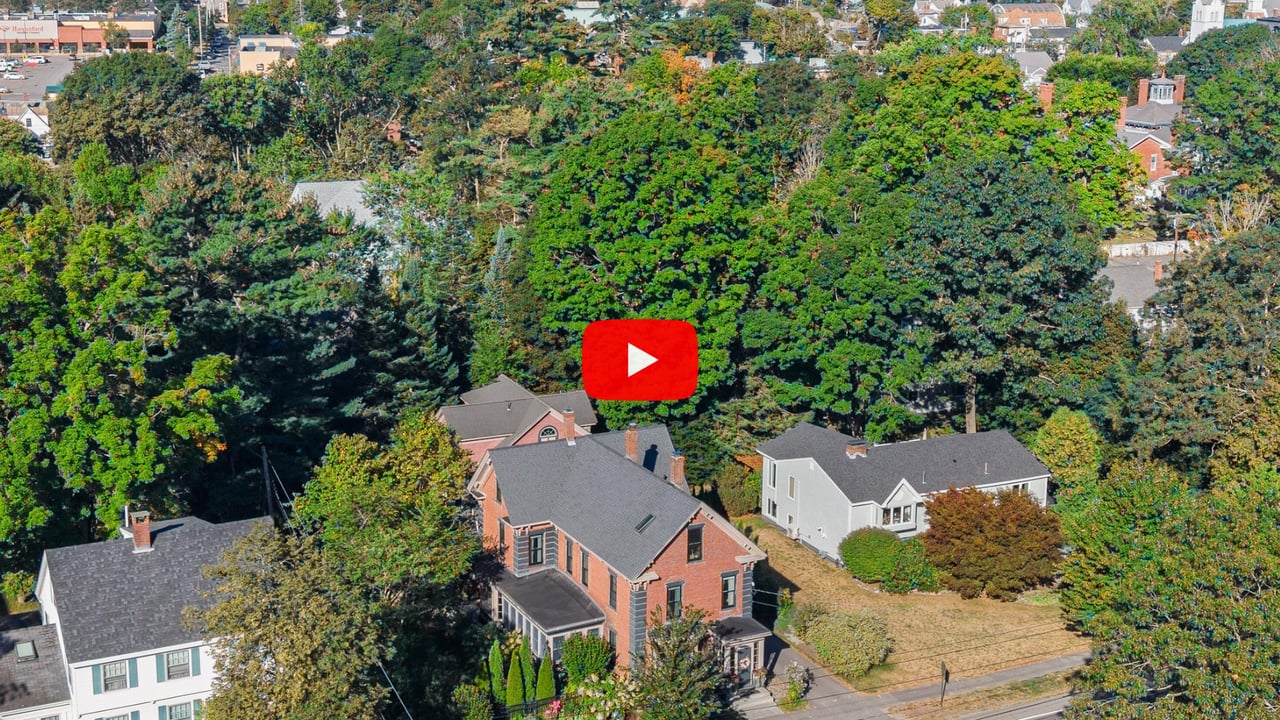
Three months before that wharf meeting, the Boyntons made their own long bet. The land at 131 Main Street sits at the center of the village, and instead of selling it, the family split it between two nonprofits with very different but complementary jobs. The Island Housing Trust will use its portion for workforce housing. The Mount Desert Island Historical Society will build a year-round museum and community center, departing from the seasonal model that has defined most of the village's cultural life.
"Without a place for working families to call home, a village cannot truly prosper," said Sherry Billings, executive director of the Island Housing Trust.
Raney Bench, executive director of MDIHS, called the gift a milestone for the organization and the island. The plan calls for rotating exhibitions, classroom space for local students, and evening lectures, replacing what has traditionally been a seasonal operation with something open in February as well as August.
Put the wharf and the Main Street gift next to each other and a pattern appears. Both are civic decisions built for a village that expects to still need workforce housing, still need a functioning marina, and still need a place to gather indoors in January, not just a place to sell lobster rolls to July visitors.
A plan the town hasn't touched since 2009
The third piece of that pattern is administrative and easy to miss. The town's Comprehensive Plan Committee has been holding public sessions this year to rewrite Mount Desert's comprehensive plan, last updated in 2009. Facilitator Noel Musson asked residents gathered at the Neighborhood House two blunt questions: what does the future of Mount Desert look like, and what are the biggest threats facing the town. Seventeen years is a long gap for a planning document, long enough that an entire generation of Main Street storefronts has turned over since the last version was written.
None of this is glamorous work. A comprehensive plan doesn't get a ribbon cutting. But a town doesn't spend a year rewriting its foundational planning document, replacing its municipal wharf for the next 75 years, and accepting a permanent land gift for housing and culture in the same twelve months by accident. Something about the village's sense of its own future has shifted.
What's actually new on Main Street this year
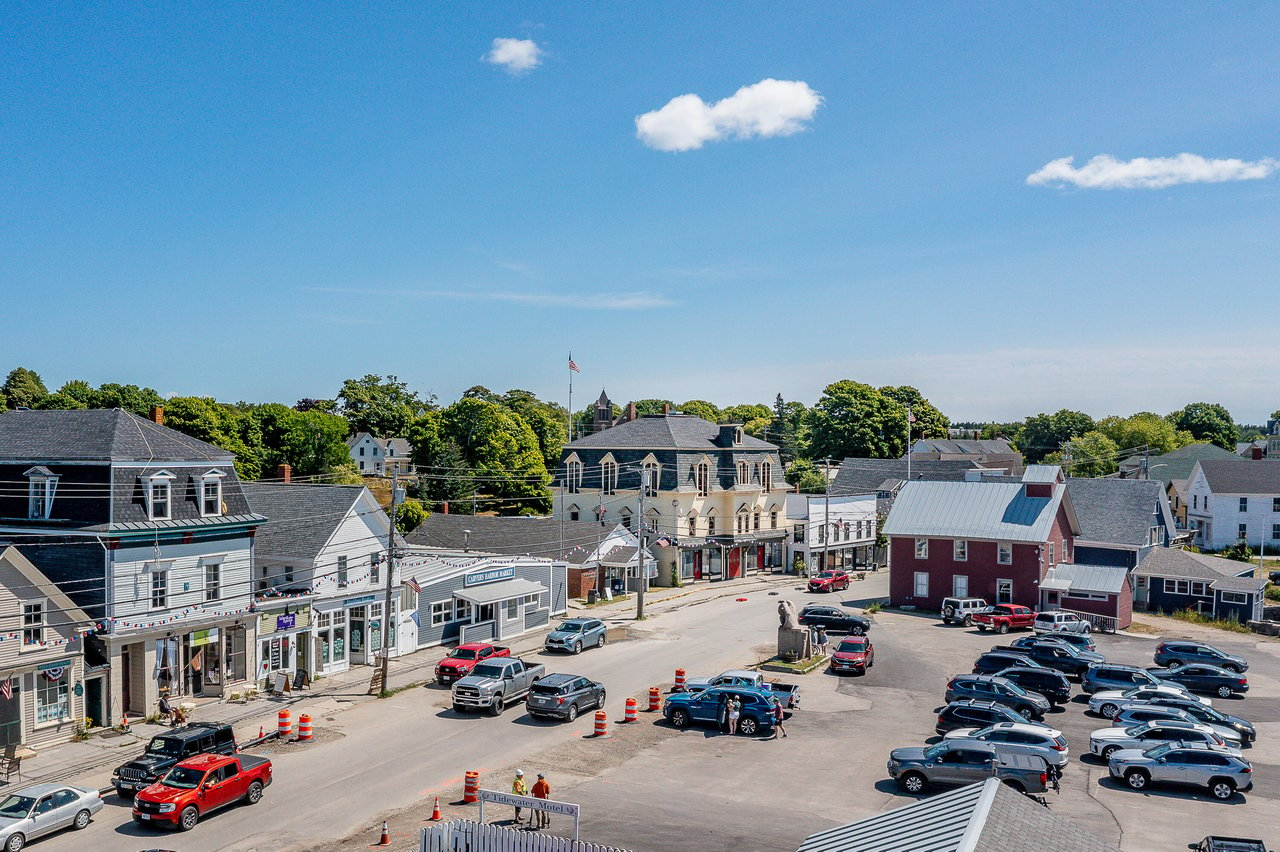
Here is where the seasonal rhythm still holds. Walk Main Street or Sea Street this year and you'll find a cluster of new businesses, most of them still built around the summer calendar rather than against it:
- Artie's Good Eats opened on Sea Street in 2025, run by sisters Emma Damon Johnson and Molly Damon, who also own a shop in Southwest Harbor. Their menu includes sandwiches like the Wicked Italian, built with black forest ham, pepperoni, and hot honey.
- MAE, a boutique carrying clothing, housewares, and gifts, expanded to Main Street from its flagship store in Blue Hill, run by owner Wendy Hays.
- Good Wolf, from the team behind the Salt Market, opened on Main Street in 2026 and now hosts seasonal restaurant nights.
- Olive and Pearl, a mother-daughter business specializing in elevated charcuterie boards, marked its first year in business as of early September.
- Copita joined the village's dining scene with a Mediterranean-leaning menu built around Maine's seasonal ingredients.
- The Asticou, the historic hotel at the head of the harbor, completed a renovation reported at $28 million and reopened with a new restaurant, Dahlia's, and a cocktail bar, Moss Bar, alongside 87 rooms split across the Main Inn, Harborside Cottages, and new Hillside Terrace Suites.
That is real turnover for a village this size. But look closer at how most of these businesses actually operate. The Nor'Easter Pound & Market, the lobsterman-owned restaurant by the marina, runs seven days a week during the summer season and scales back the rest of the year. Milk & Honey hosts its patio parties on Thursday evenings in the summer months. These are businesses built for the visitor calendar, not the resident one, and there is nothing wrong with that. It has always been how a harbor village like this one pays its bills.
Where the resident calendar actually lives
The exception, and the clearest evidence that something in the village's rhythm is changing, sits at the Northeast Harbor Library. This year the library ran a winter open-mic series called Friday Night Coffeehouse starting in January, a monthly film series on the fourth Wednesday of each month from January through May, a Tool Swap in April where residents traded hand tools and landscaping gear, and an April exhibition of painter Joan Vienot's work depicting the granite light of Mount Desert Island and the Schoodic Peninsula. None of that requires a tourist. All of it requires neighbors willing to show up in the dark months.
The Neighborhood House carries a similar off-season identity. It hosted the 26th Annual Bike Parade and Ice Cream Social this year, and it opened the 62nd season of the Mount Desert Festival of Chamber Music in July with the Miami String Quartet performing Haydn, Schulhoff, and Elgar. A festival in its 62nd year and a bike parade in its 26th are not new additions built to chase a trend. They are institutions that have quietly outlasted several generations of storefronts.
Reading the village this way
None of this means Northeast Harbor is about to stop being a summer place. The marina will still fill with sailboats in July, the Asticou's dining room will still be busiest between Memorial Day and Labor Day, and most of the new shops on Main Street will still close for the winter the way they always have. What changed this year is that the village's civic institutions, its harbor committee, its two anchor nonprofits, and its planning board, all made decisions on a timeline that has nothing to do with any single season. A 75-year wharf, a permanent land gift split between housing and culture, and the first rewrite of the town's comprehensive plan since 2009 are not the kind of choices a place makes if it only expects to matter for six weeks a year.
If you live here, the visible part of that story is still the new sandwich shop or the reopened hotel bar. The part worth understanding is what's happening underneath it, in borehole samples and land deeds and committee minutes, where the village just told itself, in writing, that it plans to be here for a very long time.
For those who want to understand what that kind of long-term civic investment tends to mean for a village's character and its property values over time, Legacy Sotheby's International Realty has spent years watching Mount Desert Island communities like Northeast Harbor evolve. Work With Us when you're ready to talk about what comes next.