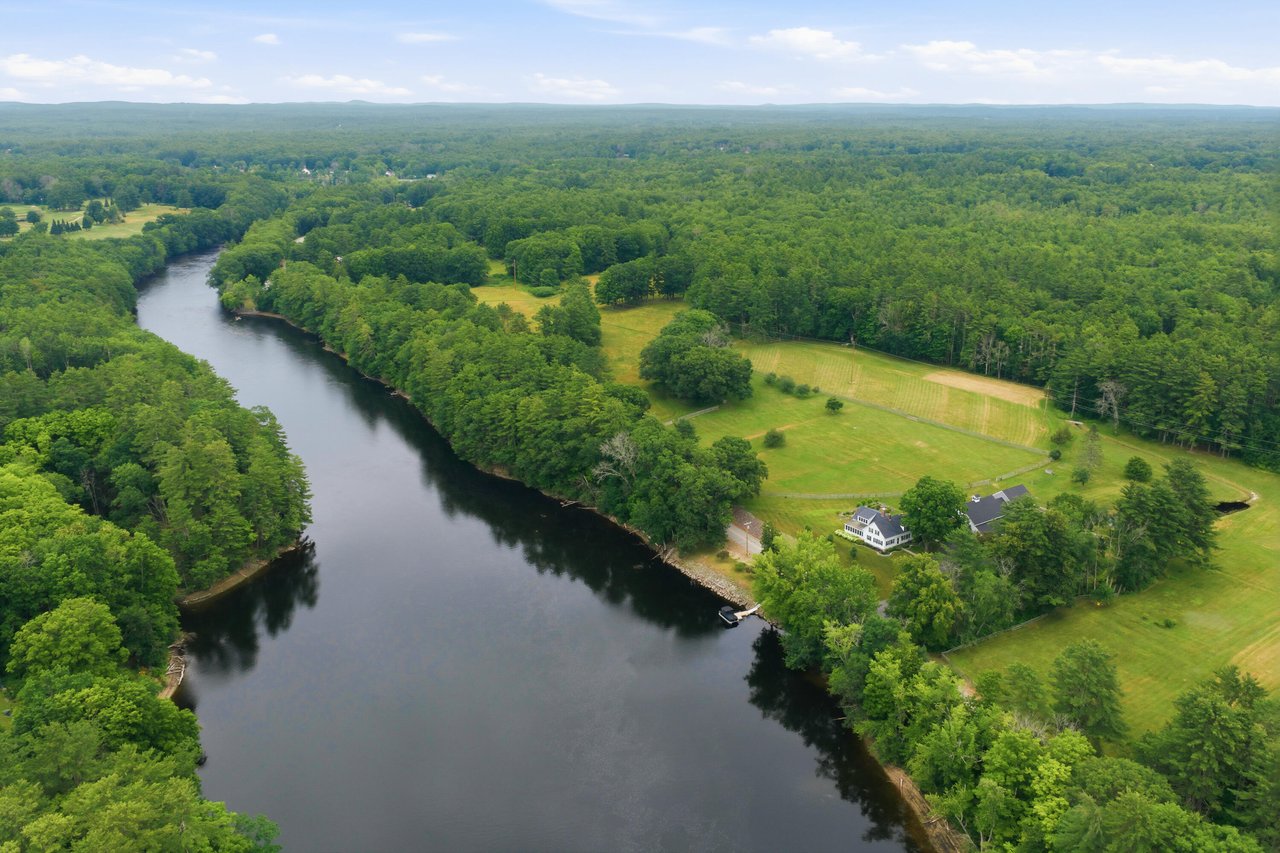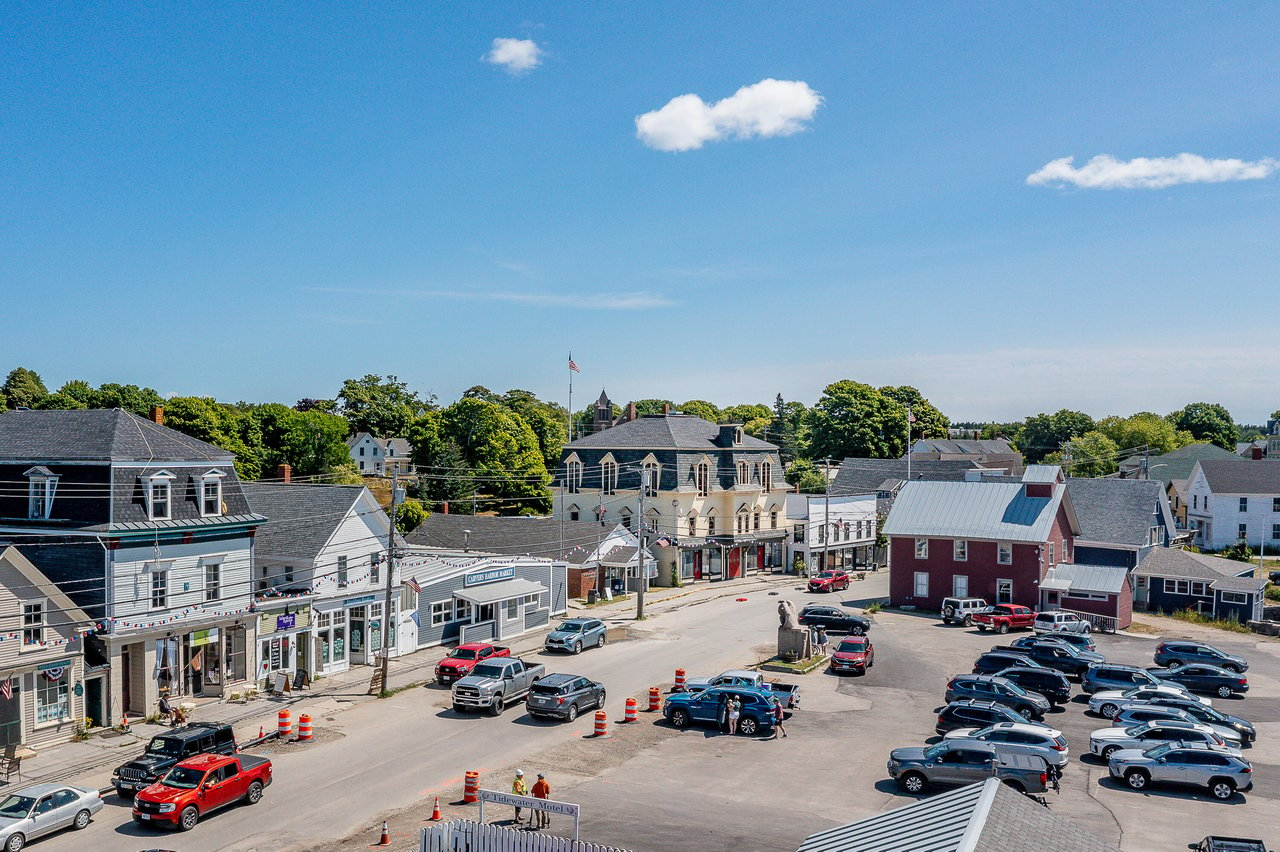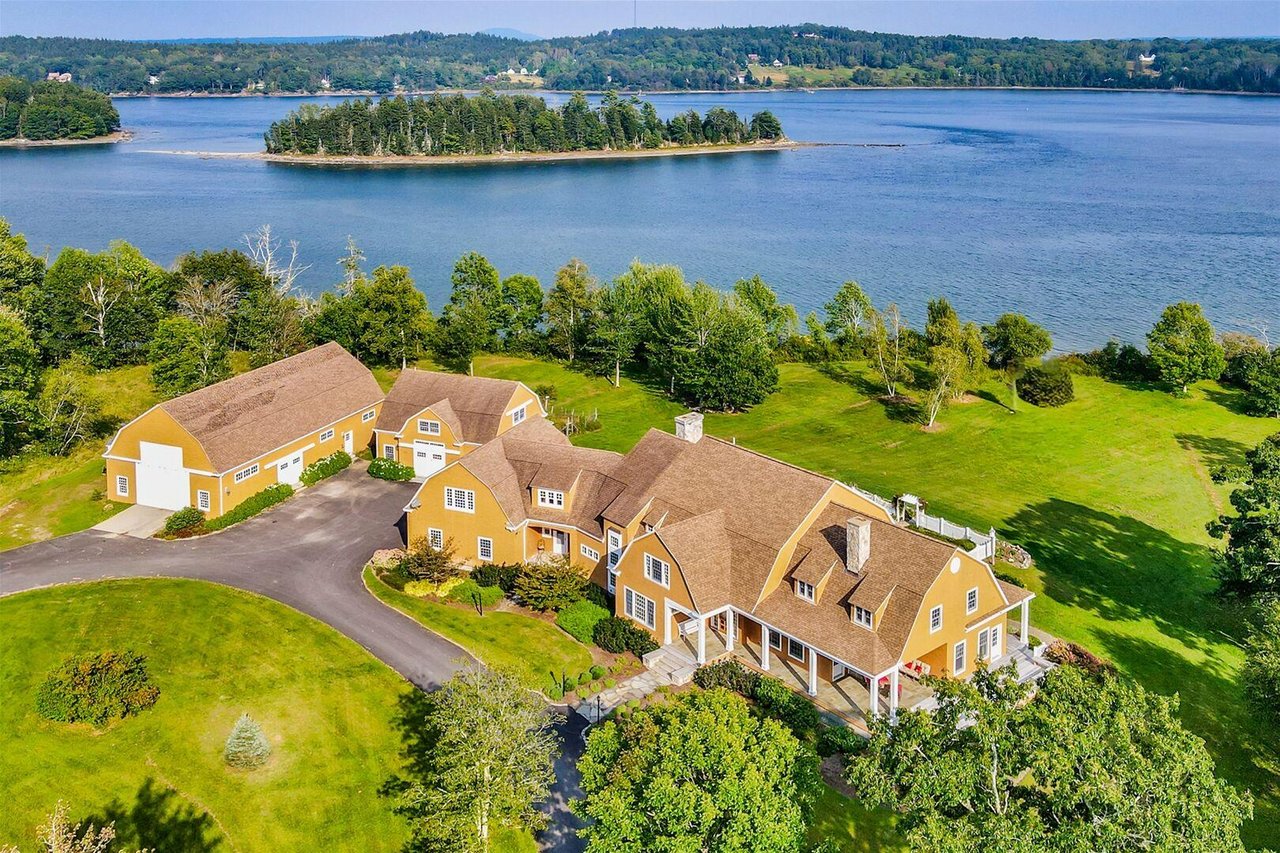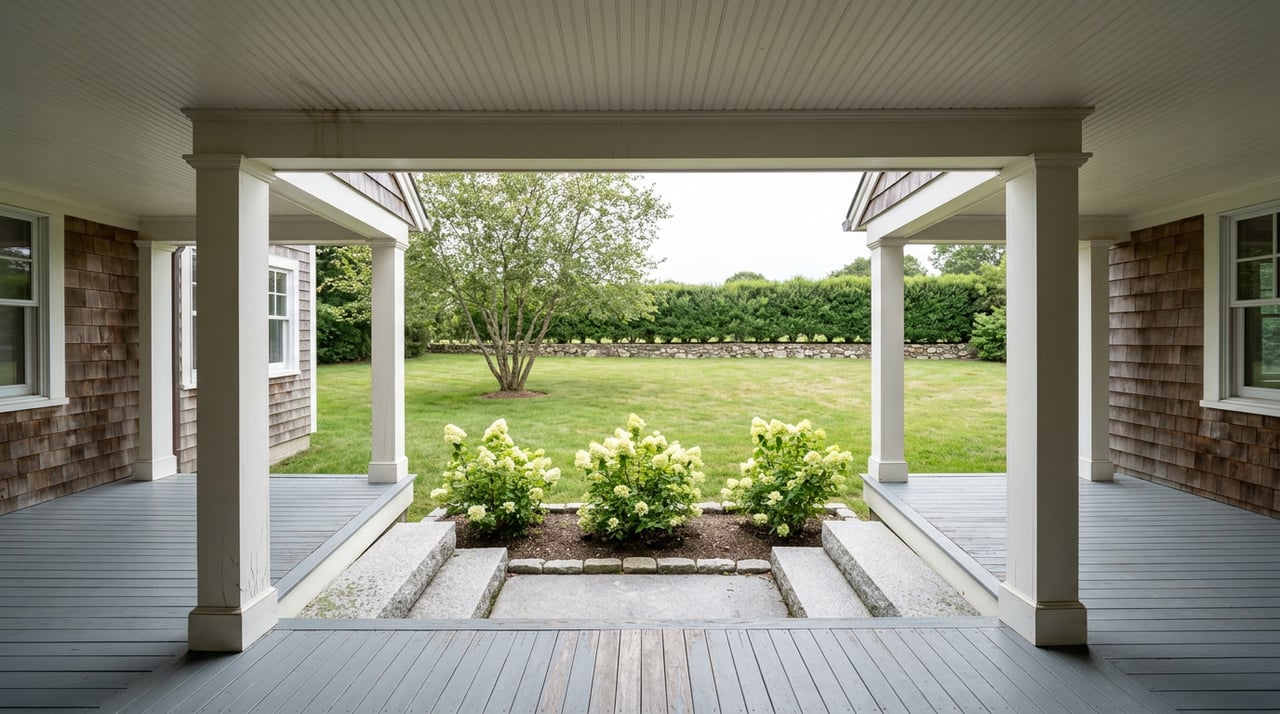
Is the park open yet? That question has been circulating around Yarmouth all summer, muttered at the farmers market, texted between dog walkers, asked at the counter of the Fox & The Fiddle café. Royal River Park, the 1.3-mile paved loop that anchors the village between East Elm Street and Bridge Street, has been closed since construction crews cleared sixteen trees in March and moved in equipment in mid-May. The town says the path should reopen by mid-September, which means the answer to that question is finally close to yes.
But the more interesting question isn't when the park comes back. It's what Yarmouth did without it.
A Summer-Long Closure, By Design
Royal River Park normally pulls up to 3,200 visitors a month in summer, according to figures the town shared with the Portland Press Herald this past April. Losing that path for an entire season was never going to be painless. Yarmouth Community Services knew it going in, and said as much when the closure was announced: staff planned to use the shutdown to point residents toward other walking routes they might not have tried otherwise.
The work itself is not cosmetic. The existing path was patched years ago to keep it passable, but drainage problems, erosion near the riverbank, and a walkway too close to the water to meet Maine Department of Environmental Protection standards forced a full rebuild rather than another round of repairs. Instead of replacing an aging footbridge near a set of old cisterns, the town designed a reroute around them that satisfies ADA and DEP requirements at half the projected cost. New down-facing lighting is going in along stretches of the path that residents use after dark to reach the bus stop. The scenic overlook near the Third Falls, where brick ruins from the old Forest Paper Company mill still stand, is being rebuilt for safety rather than looks. The town has been explicit that function came first this round, appearance second.
None of this was rushed. The tennis and pickleball courts near the William H. Rowe School, part of the same overall project, were already repaved and finished last summer. This year's closure covers the second phase, the path itself, funded through a patchwork that took the town nearly a decade to assemble: a $452,000 matching grant from the federal Land and Water Conservation Fund, $450,000 pulled from a Capital Improvement Plan the town had been building for eight years, $265,000 in tax increment financing, and smaller contributions of $20,000 from a Village Improvement donation and $10,000 raised for a tree fund. Total cost for both phases lands around $1.2 million.
Where the Habit Actually Went
Here is the part that matters more than the construction timeline. When Yarmouth lost its most-used path, the rest of downtown did not go quiet. It absorbed the traffic.
The Beth Condon Pathway carried a lot of it. The pathway now runs more than a mile along US-1 from Portland Street to Hannaford Plaza and connects directly into Royal River Park near the Rowe School tennis courts. It's also part of something bigger than Yarmouth: the Beth Condon Pathway is an official segment of the East Coast Greenway, a nearly 3,000-mile trail system stretching from Calais to Key West. Behind Town Hall, the pathway slows down at a Butterfly Garden with stone benches, a quiet rest stop. Walkers who lost their river loop this summer had a real, if different, alternative waiting a few blocks over.
The Yarmouth Farmers Market didn't skip a beat either. It now runs Thursdays from 3 to 6 p.m., May through the end of October, set up on Memorial Green directly in front of Town Hall. Gather, the restaurant across the street, keeps its beer garden open on market days, which means the Thursday market and dinner afterward have functioned as one continuous event rather than two separate errands. Local and student musicians play through the market hours, and since 2025 the market has accepted SNAP and EBT, matching every dollar spent through the Maine Harvest Bucks program.
The town's usual summer arts series, the outdoor concerts and movie nights normally staged inside Royal River Park, had to move too. Community Services shifted that programming into pop-up events scattered around town rather than canceling it outright.
If you wanted to build your own version of this summer's rerouted Yarmouth loop, it would look something like this:
- Thursday evening at the farmers market on Memorial Green, followed by Gather's beer garden across the street
- A walk down the Beth Condon Pathway to the Butterfly Garden behind Town Hall
- A stop at the Yarmouth History Center on East Elm Street, whose parking lot doubles as a canoe launch onto the Royal River Water Trail
- The Local Buzz Reading Series at the Historical Society on Saturday, September 12, from 2:45 to 4 p.m.
- A book talk with a Maine cemetery historian at the History Center on Wednesday, September 23, at 4 p.m.
None of that required the river path to be open. That's the point.
What Actually Changes When It Reopens
When the path does come back, most residents will notice the width first. The reroute widens sections wherever the terrain allows, which should ease the bottlenecks that used to form near the Third Falls overlook on busy weekends. The new lighting matters more than it sounds like it should. For anyone who relies on that stretch after dark to catch a bus, a lit path is a different experience than a dark one, and the town built this round of improvements around that use case specifically rather than around how the park photographs.
Landscaping is the one piece that won't be finished by the reopening. Town staff and volunteers plan to plant new vegetation this fall or next spring, so the corridor will look bare in places even after the path reopens to foot traffic. And the reopening itself is not the same event as the celebration. Yarmouth Community Services has said a ribbon-cutting is planned for after September wraps, meaning the practical return of the park and the ceremonial one are two separate dates. Residents who want to walk the new path won't need to wait for a ribbon.
The Longer Arc
It's worth sitting with how long this took. Royal River Park was built piece by piece through the 1970s and 80s on the bones of a nineteenth-century paper mill, one that was, in 1909, the largest soda pulp mill of its kind in the world, employing 275 people before the industry left and the land became parkland instead. The town spent eight years saving toward this renovation before construction ever started. That's not a pace that photographs well or fits neatly into a single season of headlines, but it's the actual rhythm of how small-town infrastructure gets built and paid for, one budget cycle at a time, until the numbers finally line up.
The park reopening this month isn't restoring something Yarmouth lost. The village spent the summer proving it had other ways to get where it needed to go, and most of those routes will still be there in October, November, and next summer, long after the ribbon-cutting is over. What changes is that residents now have both: the rebuilt path along the river, and the habits built around it while it was gone.
If you're weighing what it actually feels like to live somewhere that invests this kind of patience into a riverside path, that's a conversation worth having in person. Legacy Sotheby's International Realty works across Yarmouth and the surrounding coastal Maine towns with agents who know which projects like this one are still in progress and which have already quietly finished. Work With Us when you're ready to talk about what it's like to actually live here.