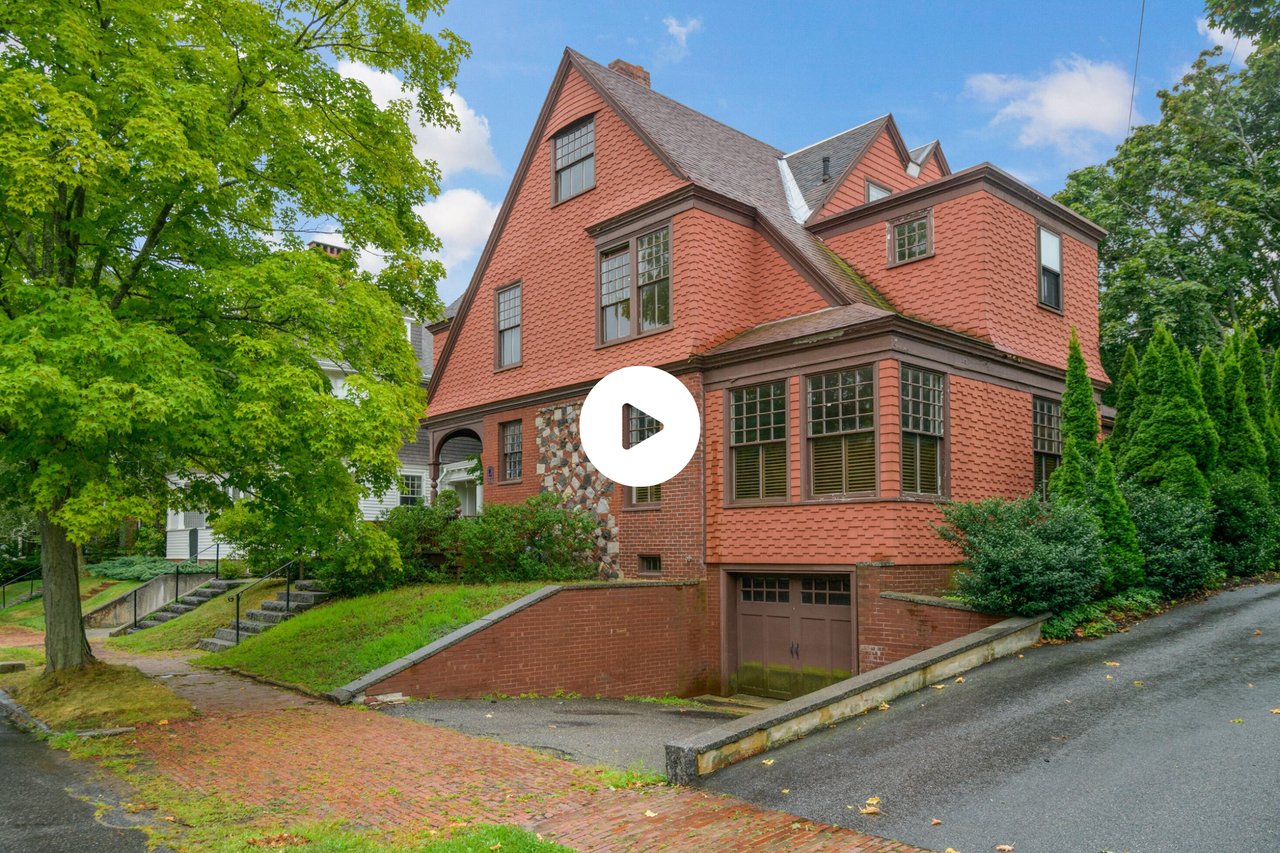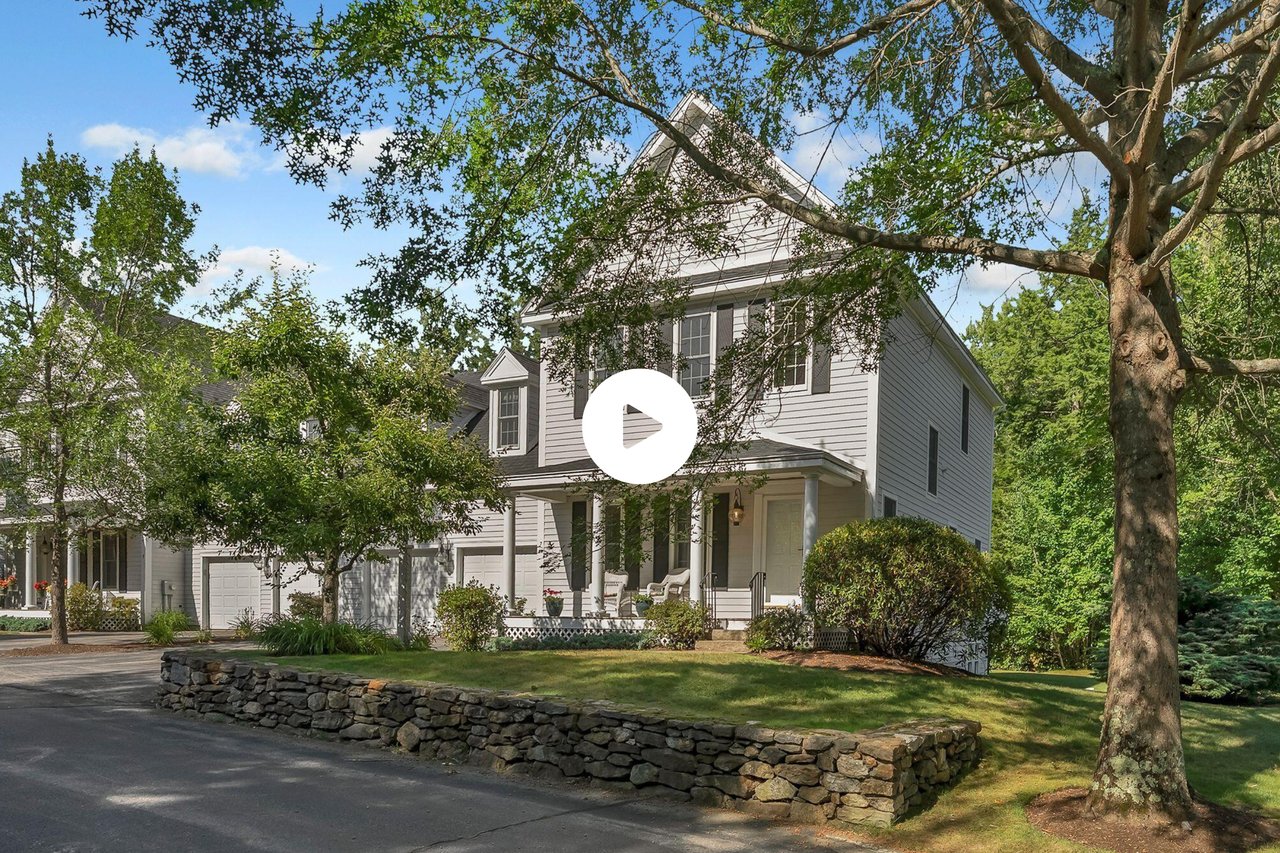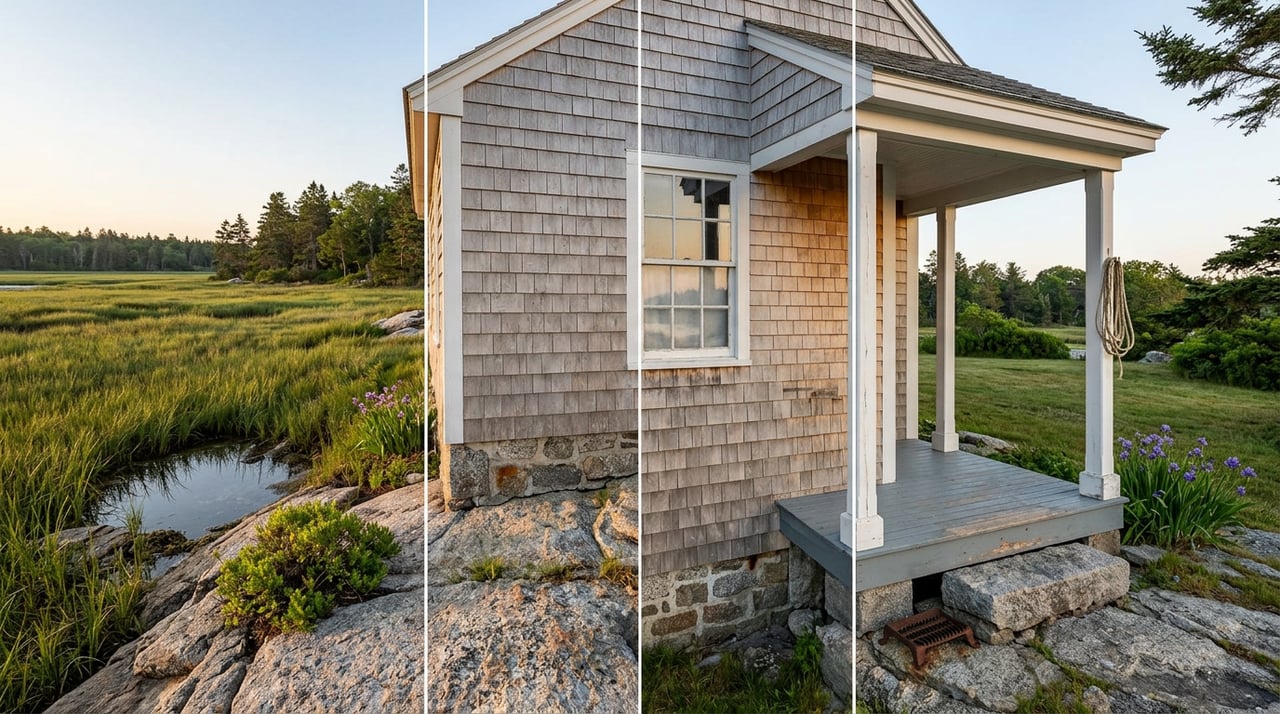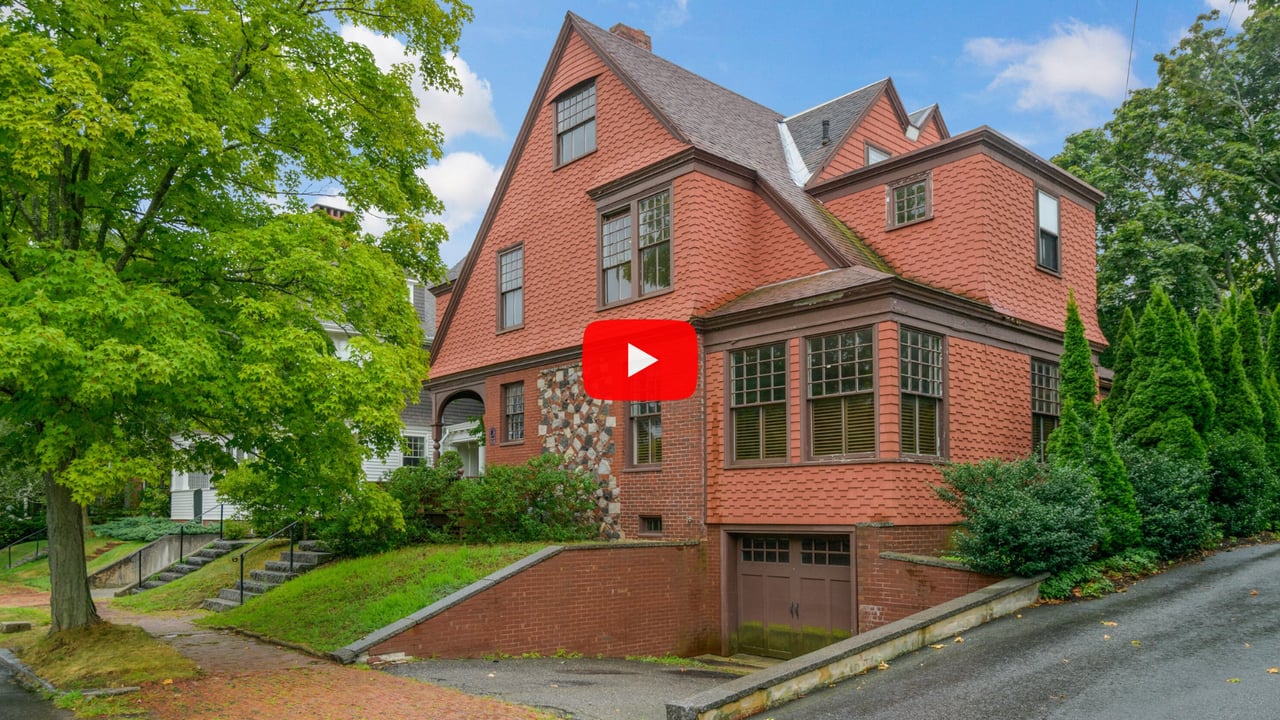
This spring, Kennebunk's Select Board approved a change to the town's beach parking ordinance. Starting in 2027, only vehicles registered in Kennebunk would qualify for the discounted resident pass. Everyone else, including people who own homes and pay property taxes in town but keep their cars registered elsewhere, would pay the non-resident rate.
In June, opposition began building. Nearly 350 people signed a petition asking the board to reconsider. By the end of July, the board had reversed course and pulled the amendment before it took effect.
That fight is a better guide to what separates Kennebunk from Kennebunkport than any median price chart, because it exposes something the price charts hide: a meaningful share of what buyers pay for on this stretch of coast isn't square footage. It's a bundle of local rights, and those rights are set by a town board vote that can move.
What almost changed, and why it mattered
Under the current ordinance, a Kennebunk taxpayer or resident can buy a full season of beach parking at Gooch's Beach, Middle Beach, or Mother's Beach for $10. A non-resident pays $30 for a single day or $200 for the season. That gap, $10 versus $200, is the kind of detail that never shows up in a listing sheet but shapes how a household actually uses a summer property.
The proposed amendment would have redrawn the line between those two groups. It would have stopped treating "taxpayer" and "resident" as roughly the same thing and started requiring a Kennebunk vehicle registration, something a part-time or out-of-state owner is far less likely to have. Neal Waldman, the part-time resident who started the petition, put the objection plainly:
"This decision has stirred feelings of exclusion and raises significant concerns about fairness."
The board's own stated reason for the change wasn't punitive. It said the goal was to reduce the administrative burden of issuing passes. But the effect, if it had gone through, would have been to quietly reprice beach access for a category of owner the town depends on for its tax base: the second-home buyer who doesn't vote in town elections and doesn't register a car locally, but who pays the same property tax bill as a year-round neighbor.
No new vote has been scheduled. The rule that exists today, tying the discount to taxpayer or resident status rather than vehicle registration, is back in effect. But the episode is proof of something worth sitting with before you write an offer: the value of owning property in this town includes benefits that a select board can redefine with a single vote, and the people most affected by that redefinition are often the ones with the least visibility into when it's happening.
Three miles south, a different answer to the same question
Kennebunkport handles this differently. At Goose Rocks Beach, any property taxpayer, full-time or not, automatically qualifies for the discounted rate. The town mails a voucher each March for up to two seasonal stickers at $10 each, no vehicle registration required, no residency test beyond the tax bill itself. A long-term renter with a lease of at least a year can also buy in at the same $10 rate.
It's a narrower definition of who benefits, but a more automatic one. Ownership itself, not where your car is plated, is what triggers the rate. That's a structural choice, and it's the opposite of what Kennebunk's board tried to do this spring.
Neither approach is right or wrong. But if you're comparing these two towns as a buyer, the difference matters more than most people assume when they're still thinking in terms of square footage and finishes.
What the median price is actually pricing in
Here's the part that surprised me when I put the numbers side by side. As of December 2025, the median sale price in Kennebunk was $610,000, with homes trading around $328 per square foot. Over the three months ending May 2026, Kennebunkport's median sale price was $1.4 million, more than double Kennebunk's, but the price per square foot was roughly $335, almost identical to Kennebunk's.
| Kennebunk | Kennebunkport | |
|---|---|---|
| Median sale price | $610,000 (Dec. 2025) | $1.4 million (3 mos. ending May 2026) |
| Price per square foot | ~$328 | ~$335 |
| Resident/taxpayer season beach pass | $10 (current rule) | $10 per sticker, up to two |
| Non-resident season beach pass | $200 | $200 |
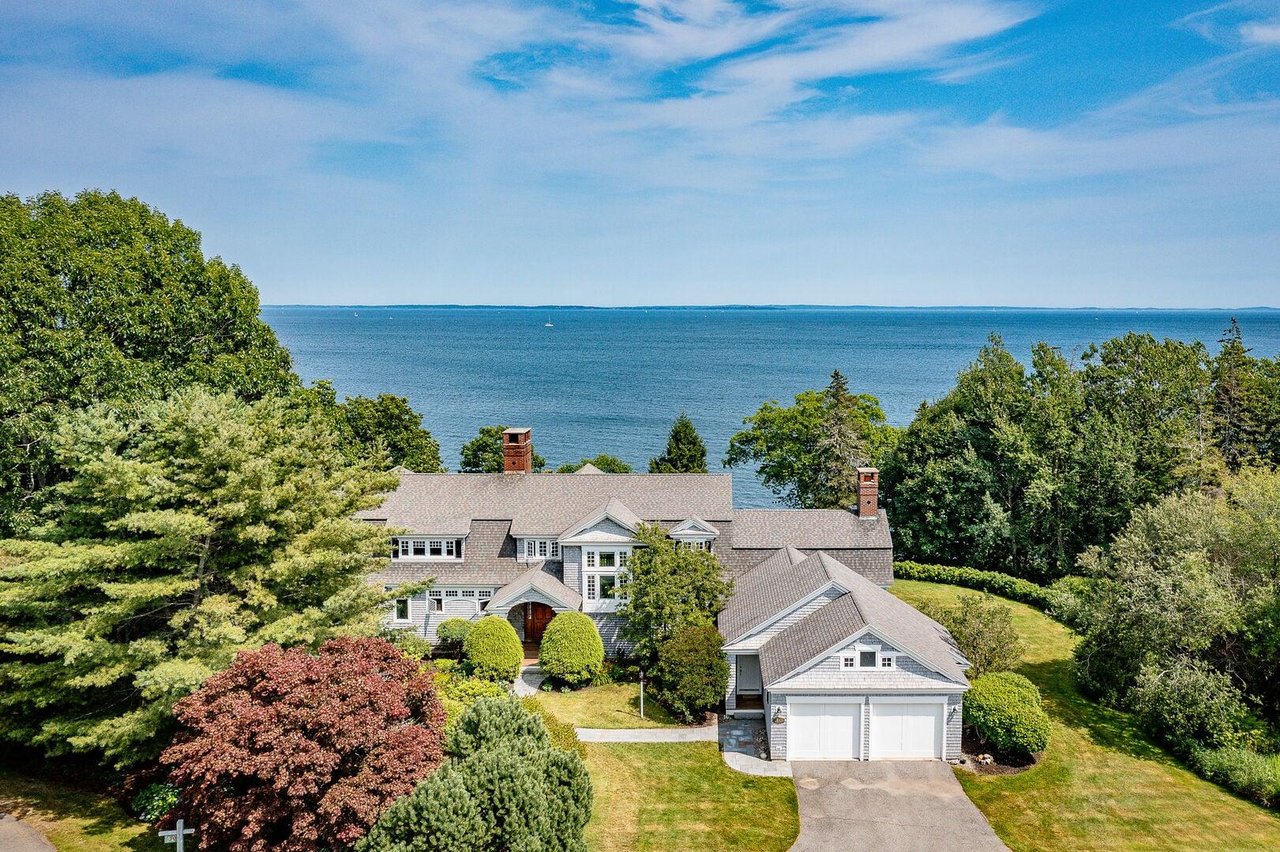
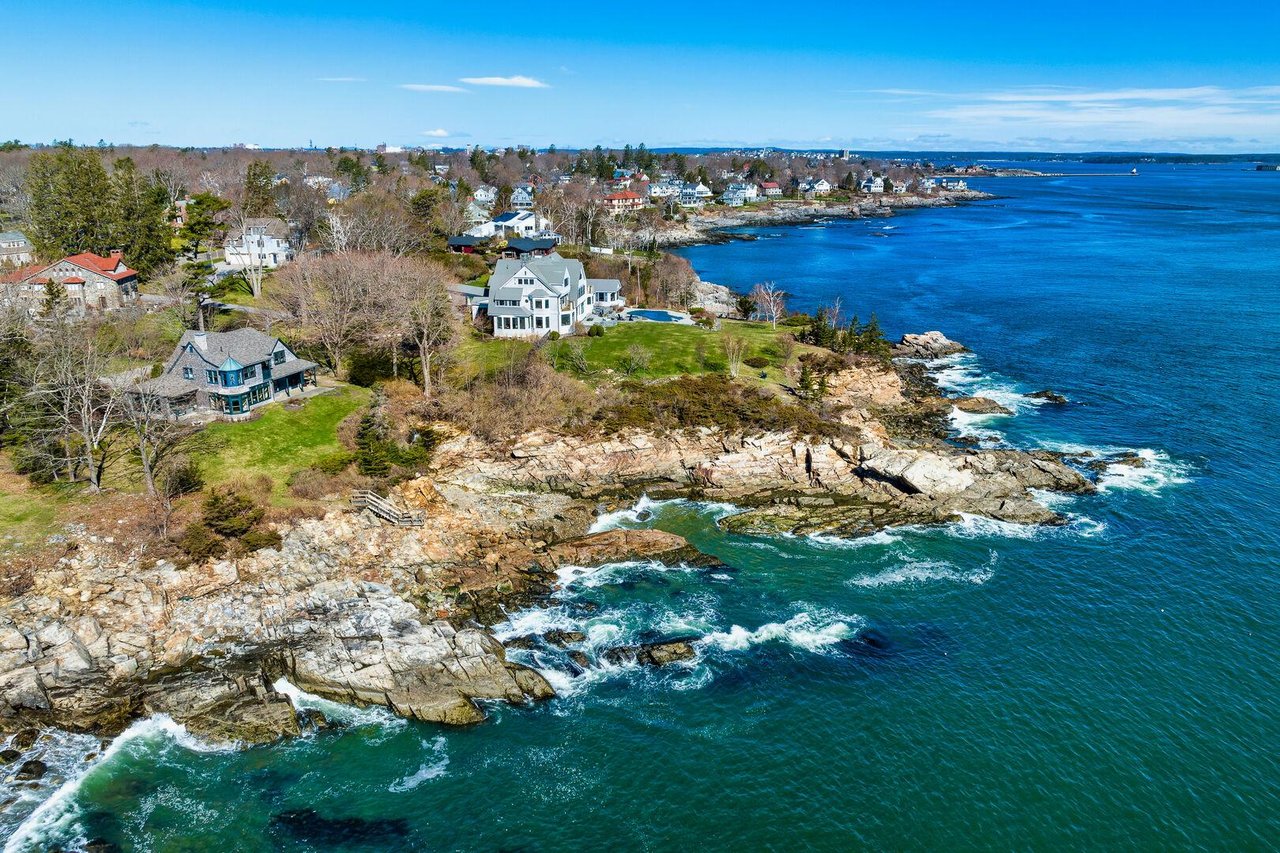
If the cost of a square foot of coastal Maine construction is nearly the same in both towns, then the doubled median price in Kennebunkport isn't buying dramatically better materials or craftsmanship. It's buying more square feet, more land, and proximity to a specific set of addresses, most notably Walker's Point, the headland anchored by the historic summer home of former President George H.W. Bush, where oceanfront properties routinely exceed $2 million.
That reframes the comparison. Buyers often walk into this market assuming Kennebunkport homes are simply nicer, room for room, than Kennebunk homes. The per-square-foot numbers say otherwise. What you're really paying the premium for is scale, land, and a bundle of local standing, including things like automatic beach-access rights, that come with owning inside Kennebunkport's boundaries rather than Kennebunk's.
What that gap buys on the ground
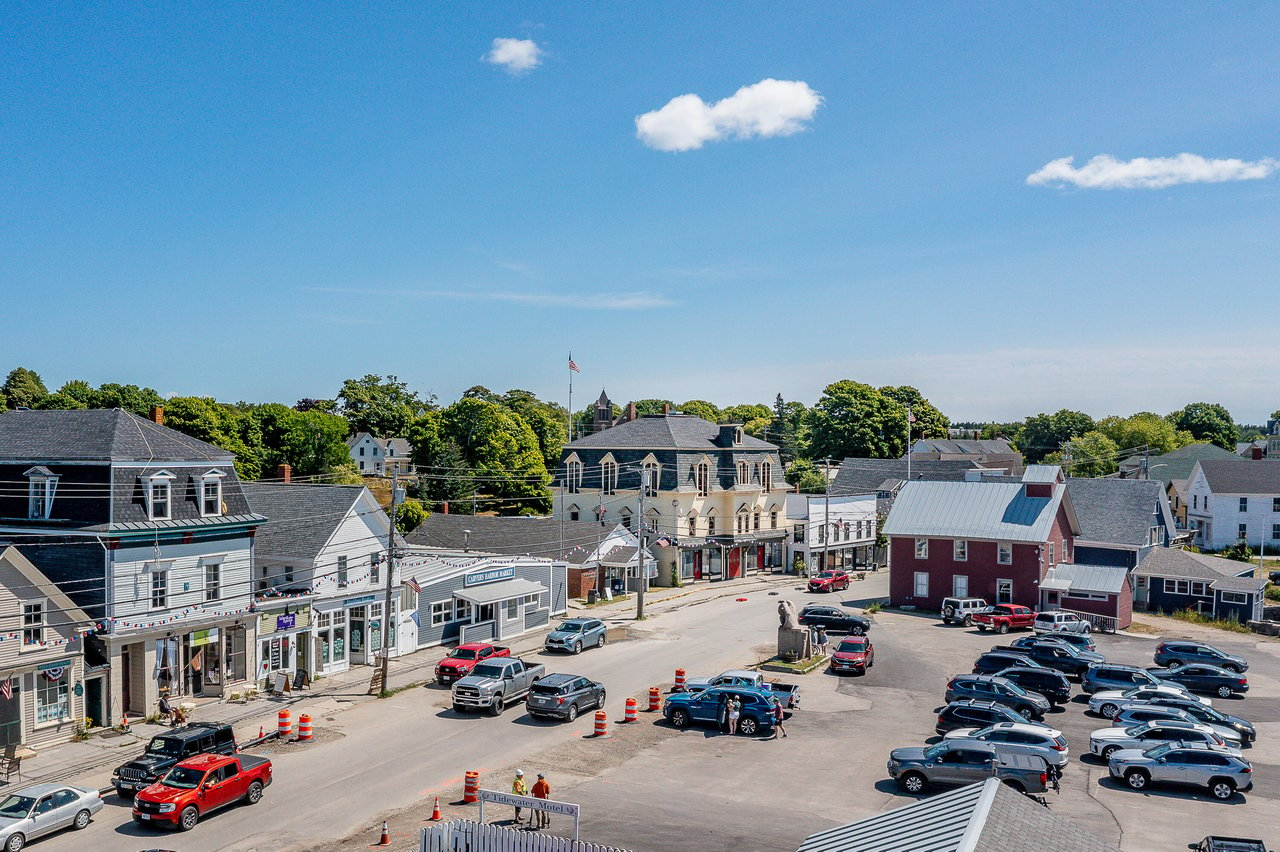
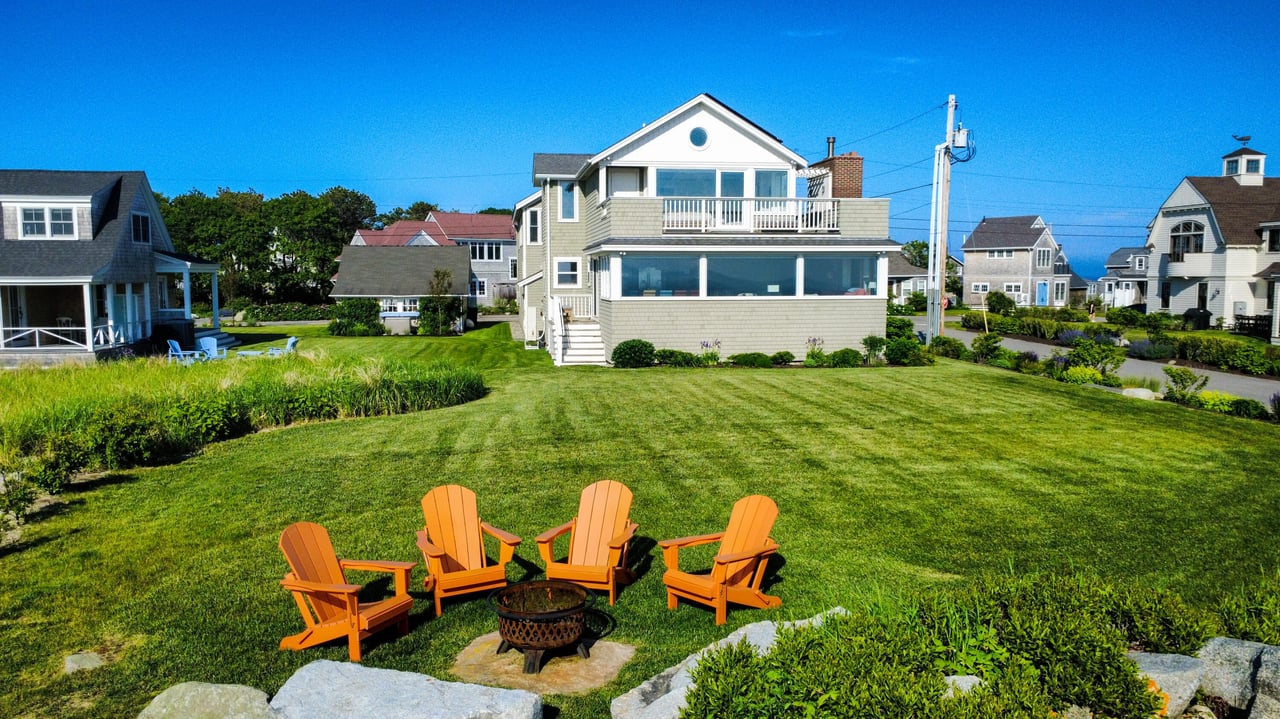
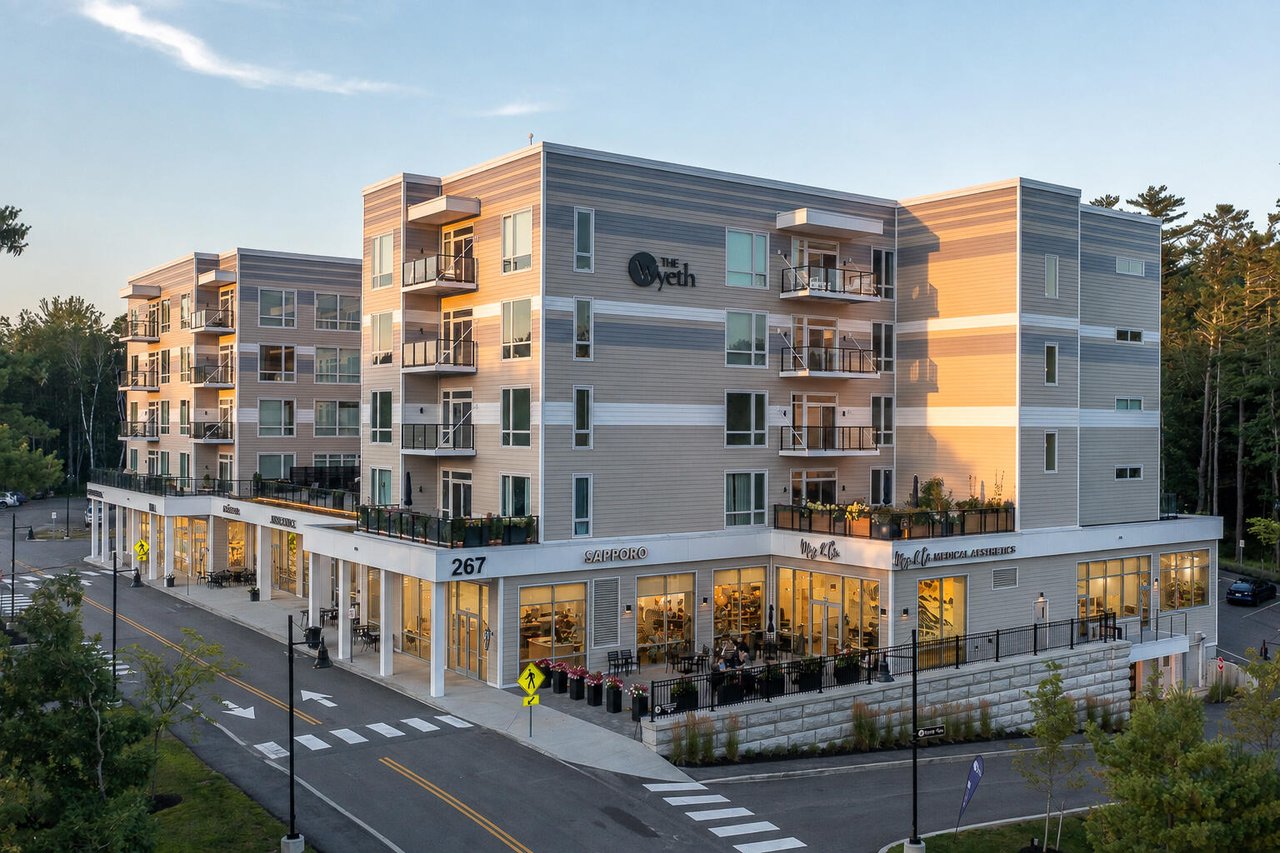
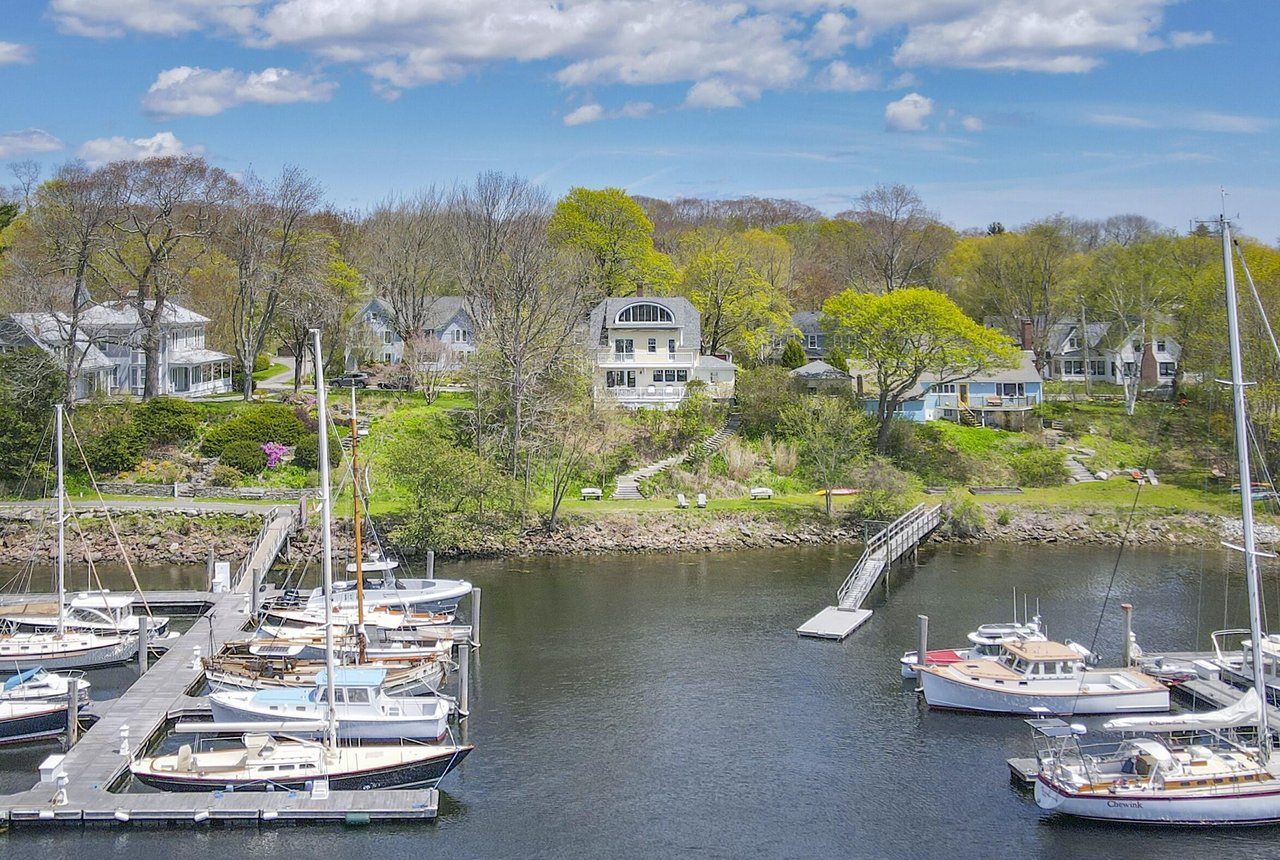
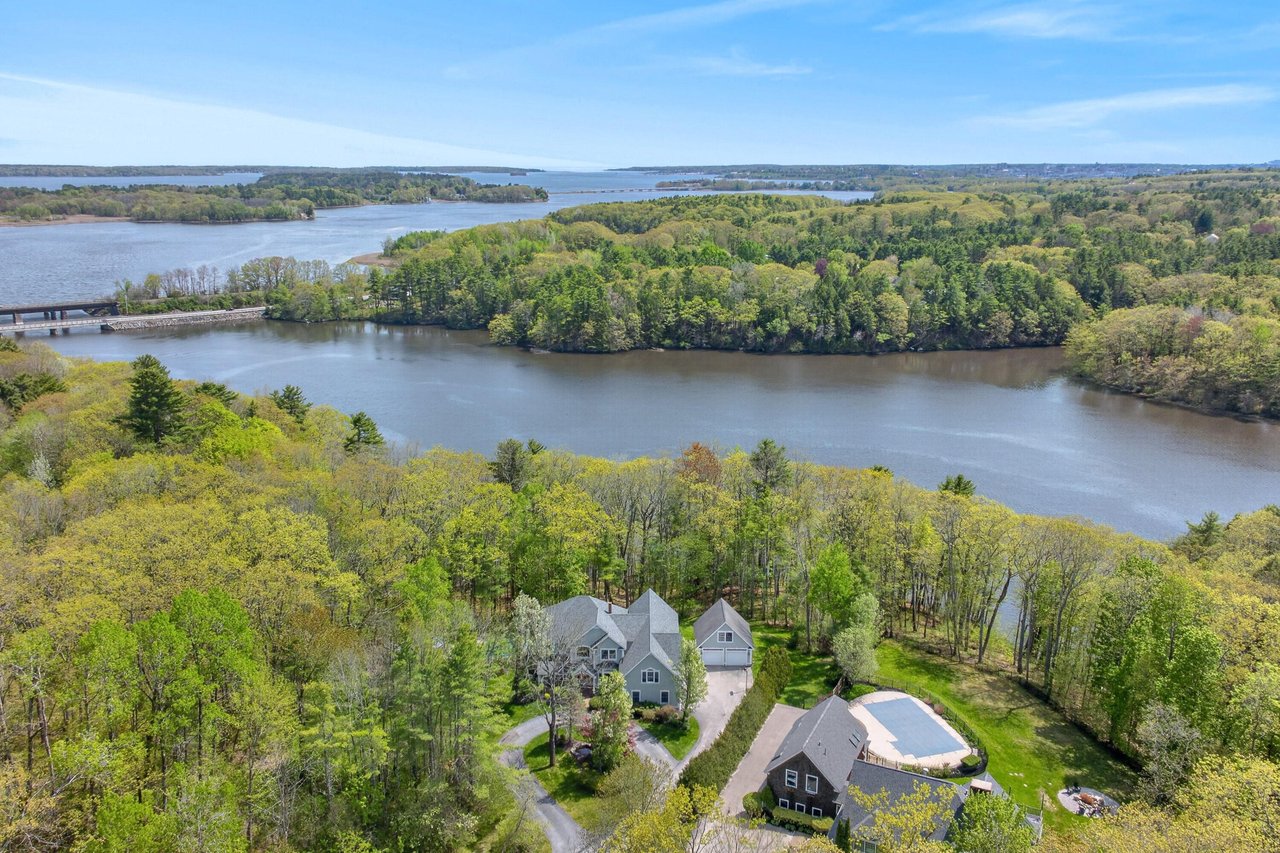
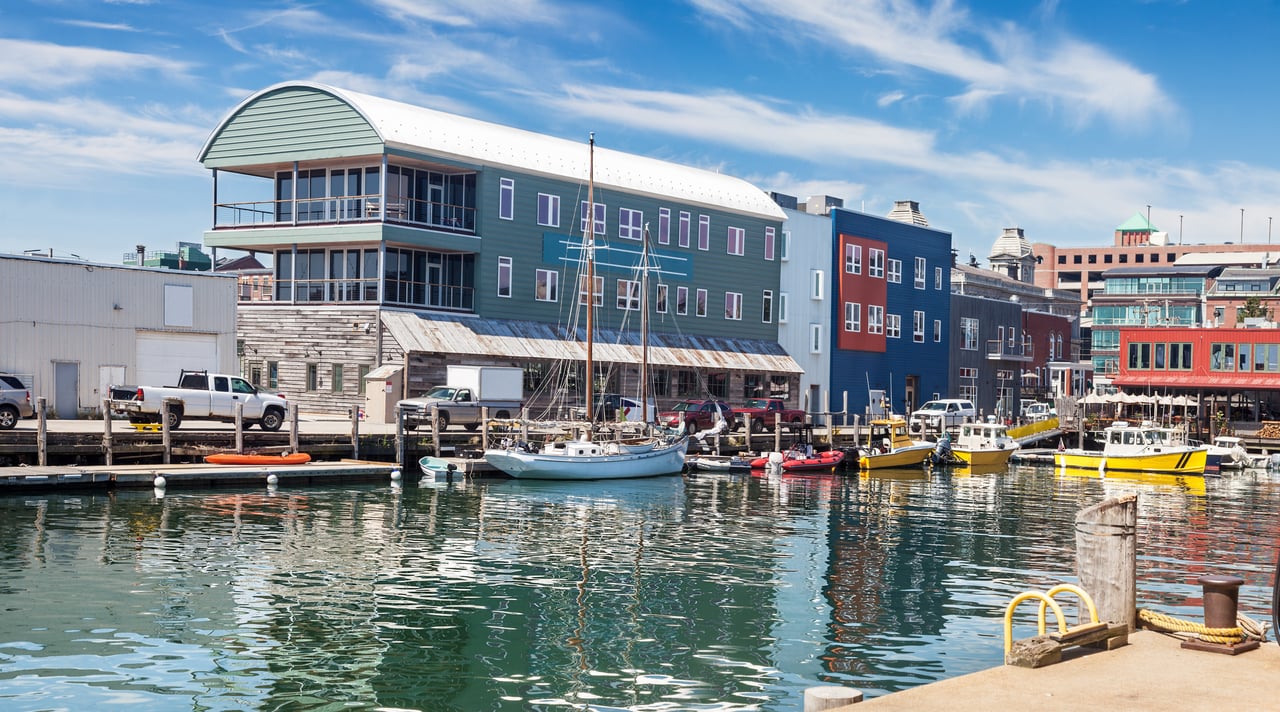
Downtown Kennebunk and Lower Village sit a short stroll from Dock Square across the river, close enough that visitors are routinely told to park in Lower Village during Christmas Prelude and walk over rather than fight for a spot in Kennebunkport itself. Lower Village has its own working waterfront feel, independent shops, and a summer shuttle that runs to the beaches and back to downtown, so a Kennebunk address doesn't mean distance from the water or from Kennebunkport's activity. It means a lower entry price for land close enough to reach both on foot.
Kennebunkport, by contrast, concentrates its highest values around Walker's Point and the immediate Dock Square waterfront, where scarcity and history do a lot of the pricing work. Buyers who want that specific address are paying for a fixed, non-replicable location. Buyers who want the coast, the walkability, and the seasonal rhythm without that specific address have more room to work with in Kennebunk, at prices that, per square foot, aren't actually that far apart.
Questions worth asking before you write an offer
Before assuming a lower Kennebunk price tag comes with the same beach access rights a longtime resident enjoys, or that a Kennebunkport purchase automatically unlocks Goose Rocks parking at the taxpayer rate, ask your agent to walk through the current ordinance language in the specific town you're buying into. Ask whether any residency-status proposals are pending before the select board. Ask whether the discount is tied to your tax bill, your voter registration, or your vehicle registration, because as Kennebunk showed this summer, that distinction can change with a single vote and can catch owners off guard months after closing.
Does owning a home in Kennebunk automatically qualify me for the resident beach parking rate?
Under the ordinance currently in effect, taxpayer and resident status both qualify for the $10 season pass. That's the rule as of this writing. It's also the rule the board voted to narrow this spring, before reversing course by late July after resident opposition.
Is the vehicle-registration proposal gone for good?
The Press Herald reported no new vote has been scheduled as of its late July report. The current ordinance, which expires December 31, 2026, remains the operative rule, but a revised version tied to residency status could return to the board's agenda.
Does Kennebunkport face a similar debate over its beach parking rules?
Not based on current research. Kennebunkport's Goose Rocks Beach ordinance ties the discounted rate to property tax status, mailed automatically each spring, without a vehicle-registration requirement.
If you're weighing a purchase along this stretch of the York County coast, the towns look similar from a distance and diverge in specific, findable ways once you're close enough to read the ordinances. That's exactly the kind of groundwork Legacy Sotheby's International Realty does before a client ever makes an offer, town by town, and vote by vote.