The tax history you just pulled on a Kittery listing is almost certainly wrong. Not by a little. By enough to change what you think the house costs to own.
That's because Kittery completed its first townwide revaluation in years with an effective date of April 1, 2025, and the Town Council set a new rate of $9.29 per $1,000 of assessed value for fiscal year 2025-2026, down from $14.20. Portal tax records lag reassessment cycles by a full year or more. Any buyer using last summer's tax bill to model carrying costs is working from a number the town itself has replaced.
The rate dropped 35 percent. The tax burden did not.
A revaluation is not a tax cut. It is an accounting exercise that resets every property's assessed value to current fair market value, then lowers the mill rate so the town collects roughly the same total revenue. Kittery's Assessor's office, working with Municipal Resources, Inc., raised the town's total taxable base by roughly $1.3 billion. The mill rate had to fall for the budget math to hold.
| Prior year | FY 2025-2026 | |
|---|---|---|
| Mill rate (per $1,000) | $14.20 | $9.29 |
| Change | ~35% lower | |
| Taxable value added | ~$1.3B |
What the rate cut hides is the redistribution underneath it. Properties whose values rose faster than the town-wide average since the last revaluation now carry a larger share of the same budget. Properties that appreciated more slowly carry less. For anyone buying a Kittery home in 2026, the useful question is not "what is the mill rate," but "which side of that redistribution is this specific parcel on."
Where the redistribution landed
The submarkets tell the story in three different voices. Over the three months ending May 2026, the town-wide median sale price in Kittery was about $718,000, up 4.2 percent year over year, with homes moving in a median of 18 days versus 43 the year before. In the Downtown Kittery District, the same three-month window produced the same $718,000 median but at $469 per square foot, up nearly 9 percent year over year. Kittery Point over the same window recorded a $680,000 median on very thin volume, one closed sale in May.
Two things follow. First, Foreside-adjacent inventory is where price per square foot is climbing fastest, which means those parcels are also where post-reval assessments moved the most. Second, Kittery Point's headline decline is a sample-size artifact, not a market signal. A serious buyer offer written against that median without adjusting for volume will underprice the house and lose the deal.
Kittery's Draft Housing Chapter from September 2025 puts the demand context on the record. The tax assessor's database lists 516 residential properties owned by people with mailing addresses outside Kittery, and the town's Affordability Index fell to 0.35 in 2023, meaning the median home is roughly a third as affordable as it would need to be for the median local income to carry it. Out-of-town money is setting the ceiling on Foreside and waterfront, and the revaluation moved those assessments accordingly.
The Portsmouth math, redone
Every buyer comparing Kittery to Portsmouth eventually asks the same question in a different order. Portsmouth carries a cost-of-living index roughly 7 percent higher than Kittery. New Hampshire has no state income tax; Maine does. That trade runs in both directions depending on income, purchase price, and how long the buyer plans to hold.
Two rules of thumb worth keeping in mind. For a household with strong W-2 income and a moderate purchase price, the New Hampshire side often wins on annual cash flow. For a household with lower ordinary income relative to the purchase price, a retiree, a remote-working couple with capital-gains-heavy compensation, or a second-home buyer whose Maine income is limited, the Kittery side of the bridge often wins once property taxes and insurance are on the same page. The revaluation narrowed that gap for the priciest Kittery homes and widened it for the more modest ones.
The state-level comparison is worth verifying against Maine Revenue Services' equalized full value tax rates rather than raw mill rates, because Kittery's assessment ratio just reset to full market value while some neighboring towns have not.
What the median price is hiding
Different data providers are publishing Kittery medians that range from roughly $600,000 to nearly $1.1 million for June 2026. That spread is not a contradiction. It is a signal about which slice of the market each source is measuring. Movoto's June 2026 figure of about $1,099,500 reflects an inventory-weighted list-side view heavy on active luxury listings. Redfin's $718,000 reflects closed sales over a rolling three-month window. Both are internally correct.
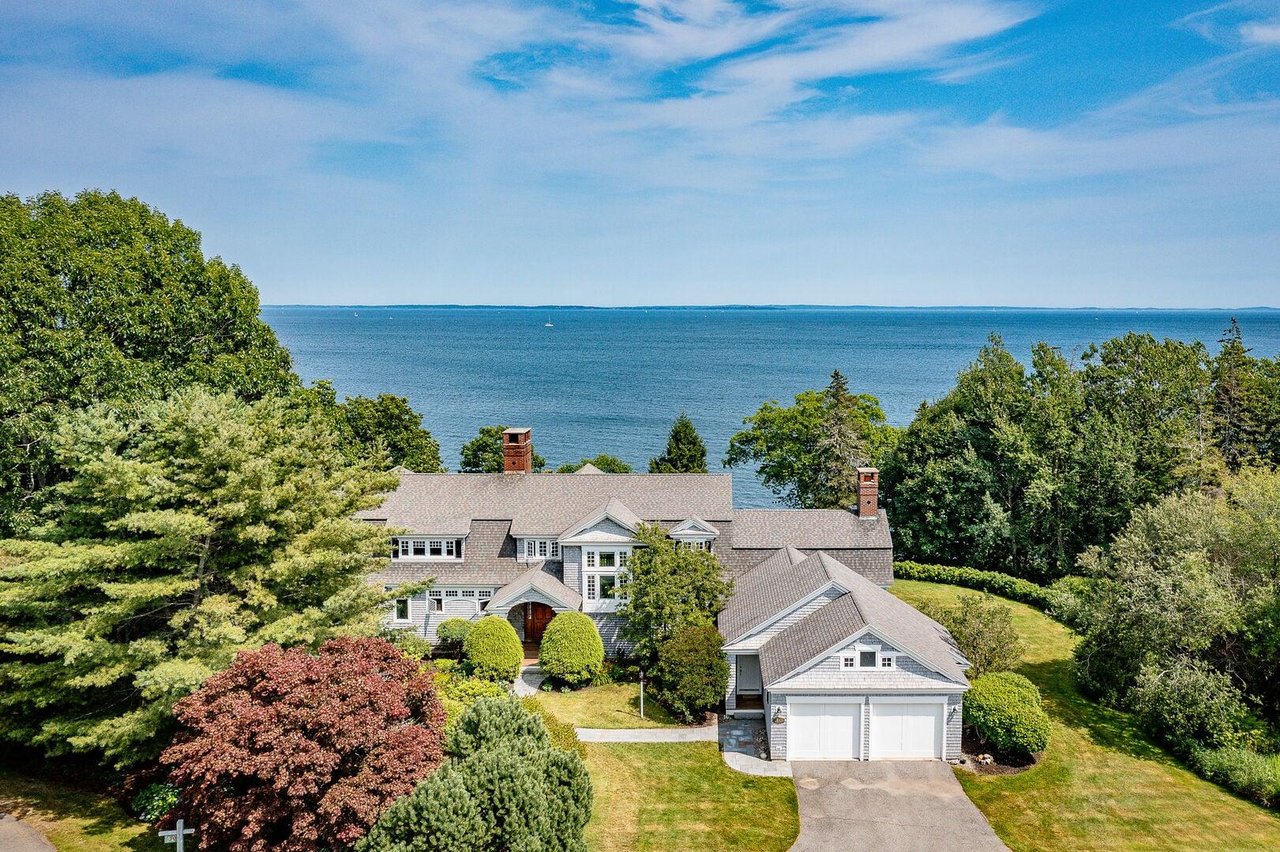
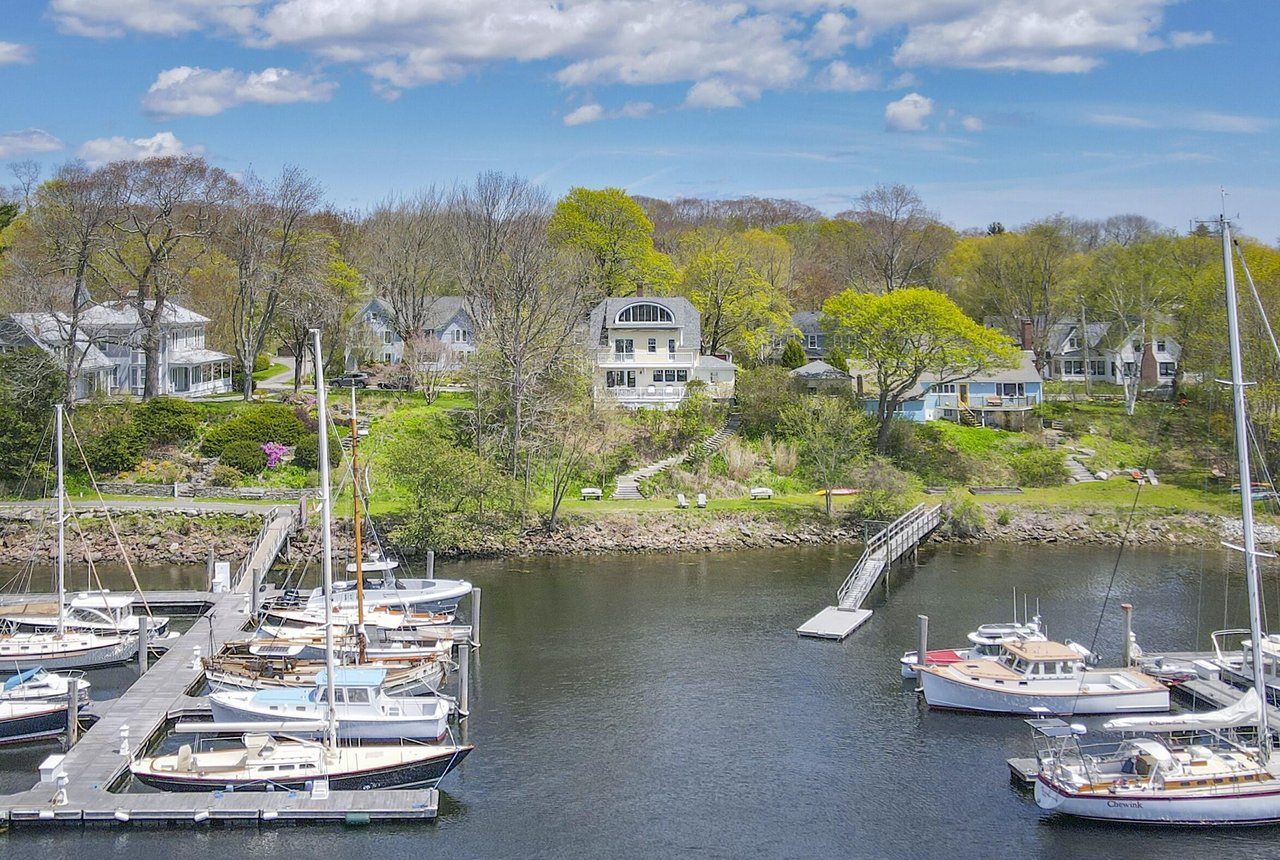
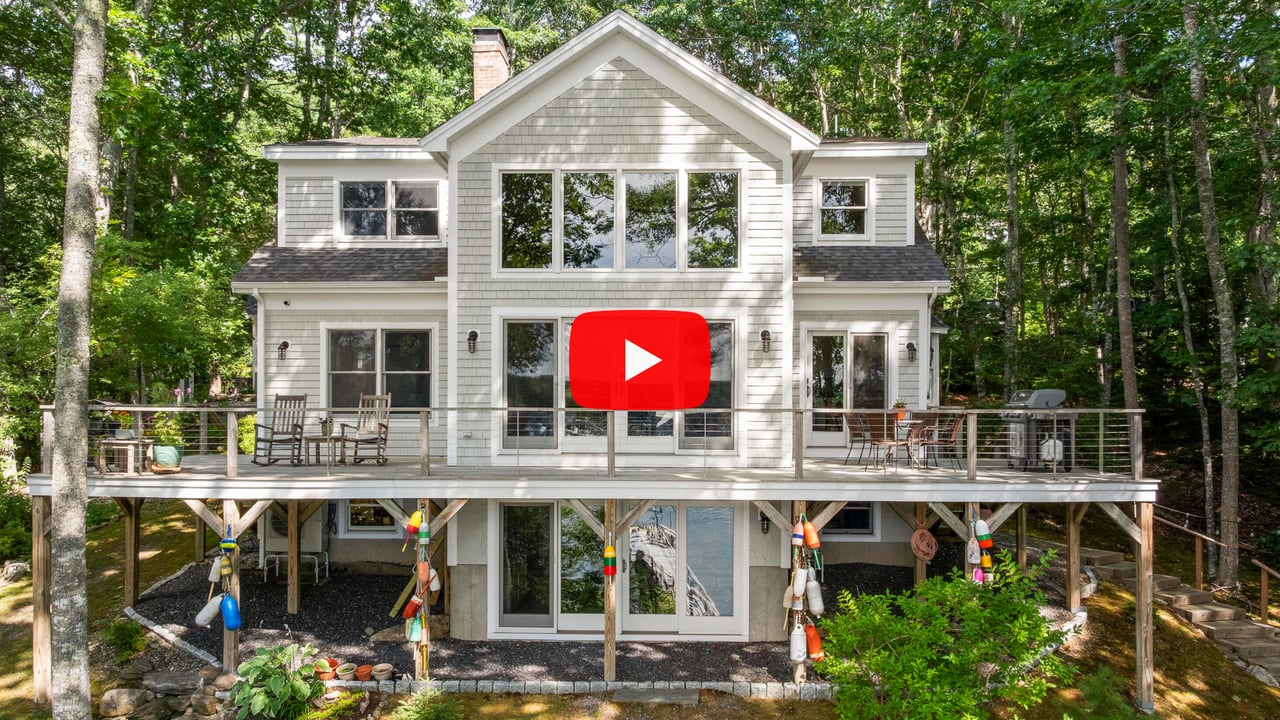
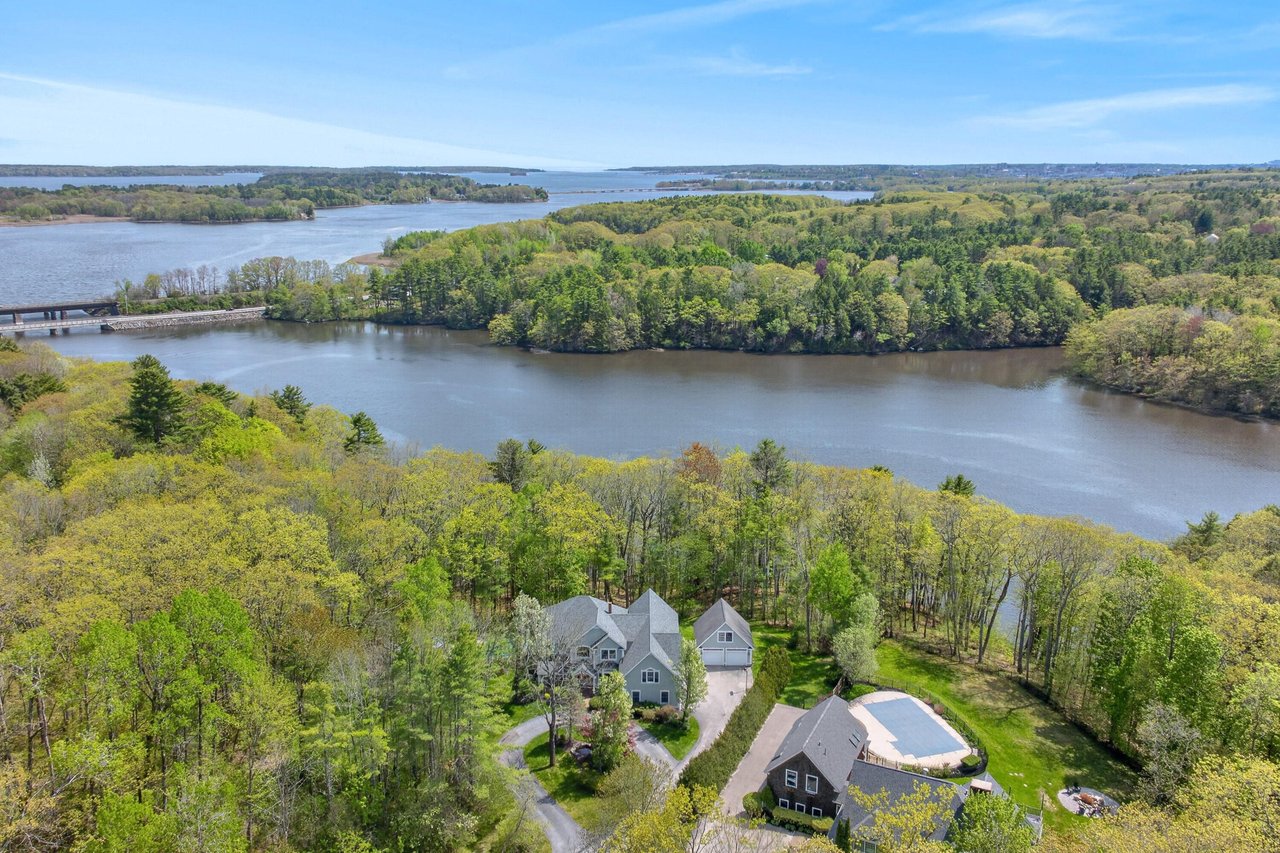
For a buyer, the practical translation is this: the entry-level single-family band in Kittery still transacts in the mid-$500,000s to high-$600,000s. The Foreside walk-to-everything band lives in the $700,000s to low $900,000s. Water-view and waterfront lives north of $1 million and up past $3 million, which is where the list-side medians get their pull. The revaluation compressed the mill rate but stretched the effective tax spread between those three bands.
Two friction points buyers keep missing
The tax history on the listing is pre-reval. Assume any tax figure from a portal, a Zillow-style estimator, or a third-party aggregator predates April 1, 2025. Ask for the current commitment record from the town, not the prior year's bill. The difference is not cosmetic. For a Foreside home whose assessment jumped meaningfully, the actual bill under the new $9.29 rate can still exceed the old $14.20 bill on last year's lower value.
The abatement window is short. Kittery homeowners who believe their new assessment overshot fair market value can file a formal appeal with the Tax Assessor, with a February deadline each year. For a buyer closing in the summer or fall, that window arrives fast, and the case is easier to make when the purchase price itself becomes the comparable. A closing timed with an eye on the appeal calendar is worth more than a closing timed only to school-year cutoffs.
The neighborhood buyers are pricing into
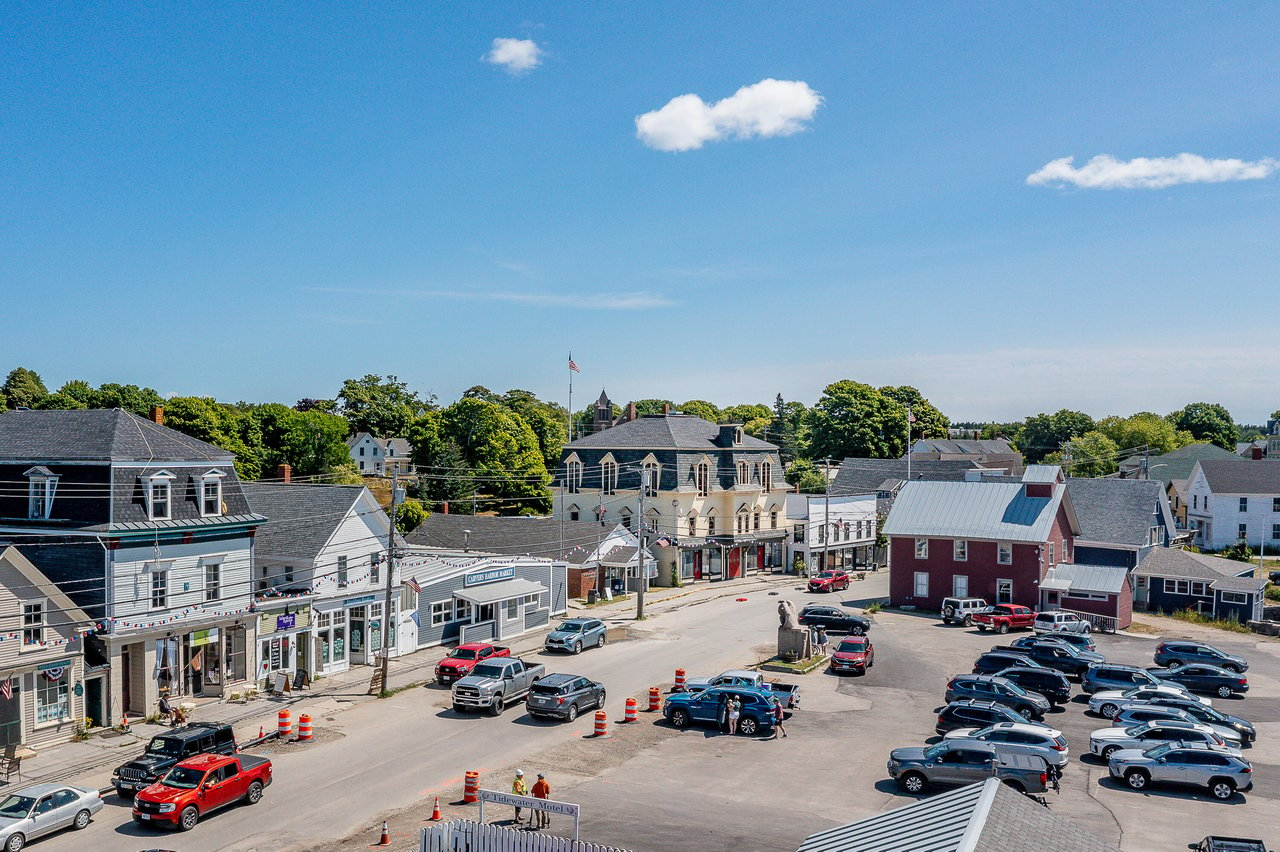
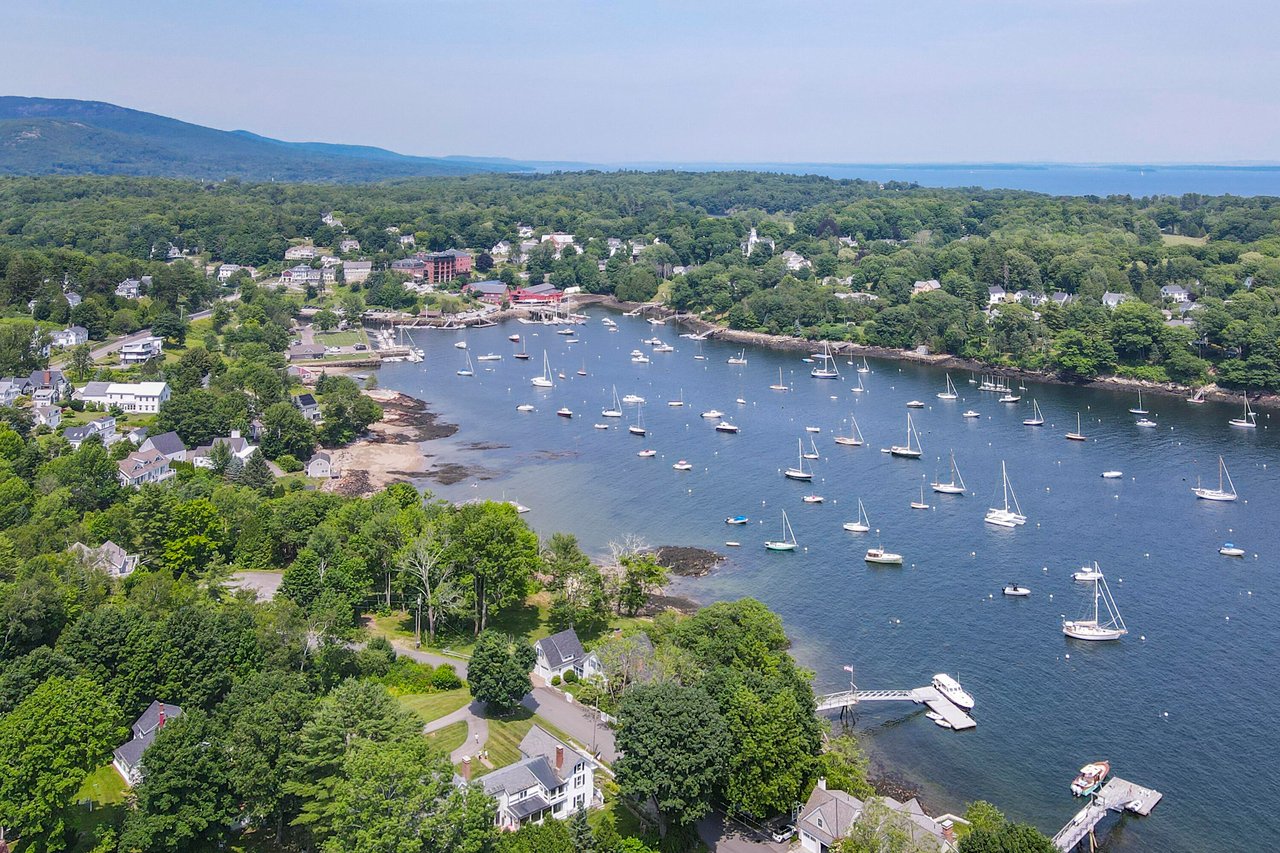
Foreside continues to add reasons for the price per square foot to keep climbing. The Foreside Inn opened at 29 Wentworth Street on July 21, 2026, a 24-room boutique property from Madbury Real Estate Ventures that puts more overnight demand within walking distance of Wallingford Square. Kittery Wine Bar opened at 10 Walker Street in the former Kit & Co. space, owned by Katie Howard-Smith and Jody Smith, according to Mainebiz. Those additions sit alongside The Black Birch in the restored brick post office, Anju Noodle Bar and Wallingford Dram, Beach Pea Baking Co., Lil's Cafe, and the Kittery Art Association gallery at 2 Walker Street. Pepperrell Cove and Bistro 1828 anchor the Kittery Point side of the peninsula. Bob's Clam Hut and Robert's Maine Grill hold the Route 1 corridor.
The pattern matters because the revaluation used April 1, 2025 values. Foreside inventory that transacts in 2026 is trading against an assessment set before this summer's operator openings. The next reval cycle will very likely tighten that gap. Buyers writing offers now on Foreside blocks are underwriting to a tax base that has not yet caught up to the neighborhood's own trajectory.
Questions we are hearing this summer
Does a lower mill rate mean my monthly payment drops? Only if your specific assessment rose less than the town-wide average. If it rose more, your annual bill can still increase even with the rate cut. Model both numbers, not the mill rate alone.
Should I chase Kittery Point because the recent median looks lower? The Kittery Point three-month median reflects a single sale in May 2026. Treat it as noise, not price discovery. Waterfront and near-water inventory on the point continues to underwrite at premium levels once volume returns.
Is the Maine income tax the right way to decide between Kittery and Portsmouth? It is one input among several. Insurance, flood zone status, commute, and holding period usually matter more than the income-tax line on a spreadsheet. Run both scenarios with a full carrying-cost model before letting the state line make the decision.
Kittery's 2026 market rewards buyers who read the revaluation as a redistribution, not a discount, and who price each parcel against the neighborhood it sits in rather than the town-wide headline. If you would like a specific property modeled with current commitment data, submarket comparables, and a clear picture of what the post-reval tax bill will actually look like, the team at Legacy Properties Sotheby's International Realty is ready to work with you.